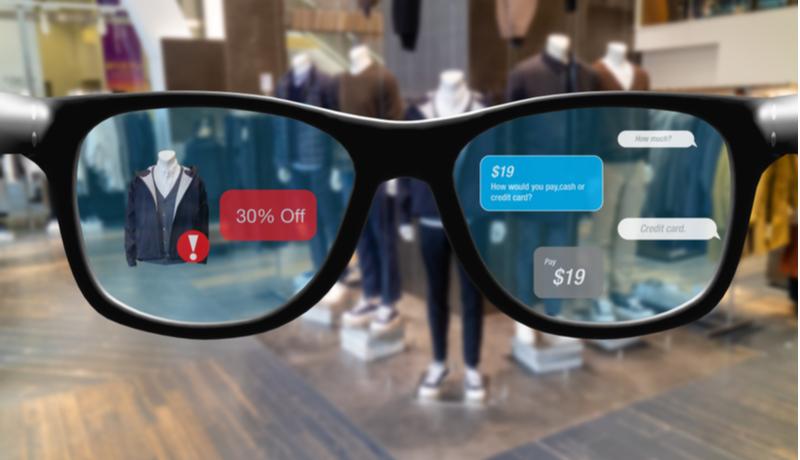
Smart glasses have seen an impressive rise in popularity, exceeding analysts’ predictions. This increase is due to technological advancements and growing consumer interest in wearable technology. Firms like Meta have contributed significantly to this trend by launching various models targeting diverse markets, from casual users to sports enthusiasts.
At the same time, Oura has cemented its role in the smart ring sector by utilizing its patents to outpace its competitors. The company’s strategic approach to intellectual property has enabled it to secure royalties from challengers, effectively curbing competition and innovation within the industry. This assertive strategy has allowed Oura to uphold a commanding market position.
Garmin, recognized for its premium smartwatches, has implemented a high-end pricing strategy for its latest models. This decision seeks to leverage its devoted customer demographic willing to invest more for enhanced features and products that signify status. Nonetheless, this strategy has sparked worries about accessibility for average athletes, as the prices of Garmin’s devices continue to escalate.
In summary, the wearable technology sector is undergoing significant transformations, with smart glasses gaining momentum, Oura bolstering its market supremacy through patents, and Garmin pursuing premium pricing to elevate its brand image. These trends underscore the shifting landscape of wearables and the strategic tactics companies are employing to remain competitive.
