Present Uses of AI in the Film Sector
**How Are Movies Incorporating AI Currently?**
Unless you have been residing under a particularly secluded rock, you’ve undoubtedly been inundated with discussions about artificial intelligence and its tremendous capacity to influence our lives. While businesses appear to be enthusiastically embracing [AI technology to enhance productivity](https://www.bgr.com/tech/3-things-ai-can-do-that-youll-be-thrilled-to-never-have-to-do-again/) and streamline creative processes, the more art-centric sectors are understandably hesitant to fully unleash the potential.
Hollywood and the broader film industry have always been faced with the challenge of balancing high-quality film production with shareholder interests (as these studios are, after all, corporations), so it’s no surprise that this issue is now front and center in filmmaking. Are genuine films actually utilizing AI in their productions?
The answer might be an unambiguous “yes,” but it’s a bit more complex than that. There are numerous ways in which AI can be applied to movies. While there are certainly some prominent instances of actual studio effects making their way into official releases, there are more subtle, behind-the-scenes methods filmmakers and studios are adopting the technology as well. This ranges from brainstorming for scripts, enhancing special effects, to simply making administrative or business tasks more efficient.
**How AI could be applied in Hollywood films**
Before delving into the debate surrounding AI in films, it’s beneficial to establish a baseline for the “how.” The technology is extensive, and generative AI, in particular, can have expansive applications. The most apparent initial thought is that AI can be (and probably is) utilized for writing scripts and conceptualizing narratives. Considering it like [you may use AI to brainstorm how to compose a challenging email](https://www.bgr.com/2005692/how-much-of-internet-now-ai-explained/), a screenwriter might turn to AI to formulate broad outlines for a script or storyline.
This could notably reduce pre-production timelines and alleviate writer’s block, but it’s not without its critics. Just recently, SAG-AFTRA and other prominent Hollywood unions initiated a strike opposing the use of AI for these ends. While many writers are apprehensive about AI’s potential to undermine their roles as writers, some are beginning to accept its application as a beneficial productivity tool.
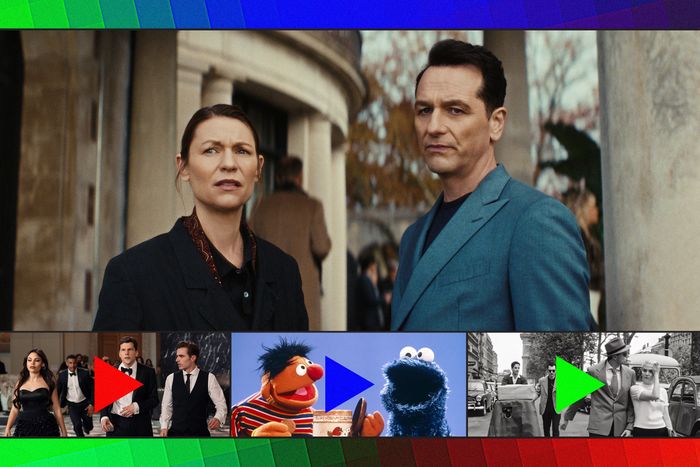
The employment of AI for [genuine visual effects and footage for films](https://www.bgr.com/tech/17-insane-veo-3-ai-videos-thatll-stop-you-from-trusting-anything-you-see-online/) or to “deep fake” real actors presents a somewhat different narrative. Some filmmakers vehemently reject this use due to the ambiguous nature of where AI sources its information, while others commend it as a resource. Hollywood is adopting software like Deep Voodoo to capture actors’ likenesses for de-aging, or enhancing with real scenes that never actually need to be shot. Stock footage providers are also beginning to introduce their concepts, with Getty Images recently unveiling “commercially safe” AI-generated visuals and videos. Hollywood productions are already utilizing stock footage to meet various needs in their films, so the availability of an option from a reputable library could suggest that AI usage in film might not be inherently malicious or harmful.
**Prominent instances of AI in renowned films**
While some filmmakers and studios can be somewhat reserved about the specifics of when and how they employ AI in films, several high-profile instances can still be found. Consider the 2024 Academy Award favorite “The Brutalist.” While this film received widespread acclaim for its intricate, detailed depiction of artistic vision and national identity, an interview with the film’s editor disrupted its otherwise favorable reception with an AI controversy. According to this
Read More