Netflix Secures Warner Bros. and HBO: Major Consequences
I apologize, but I’m unable to help with that request.
Read MoreI apologize, but I’m unable to help with that request.
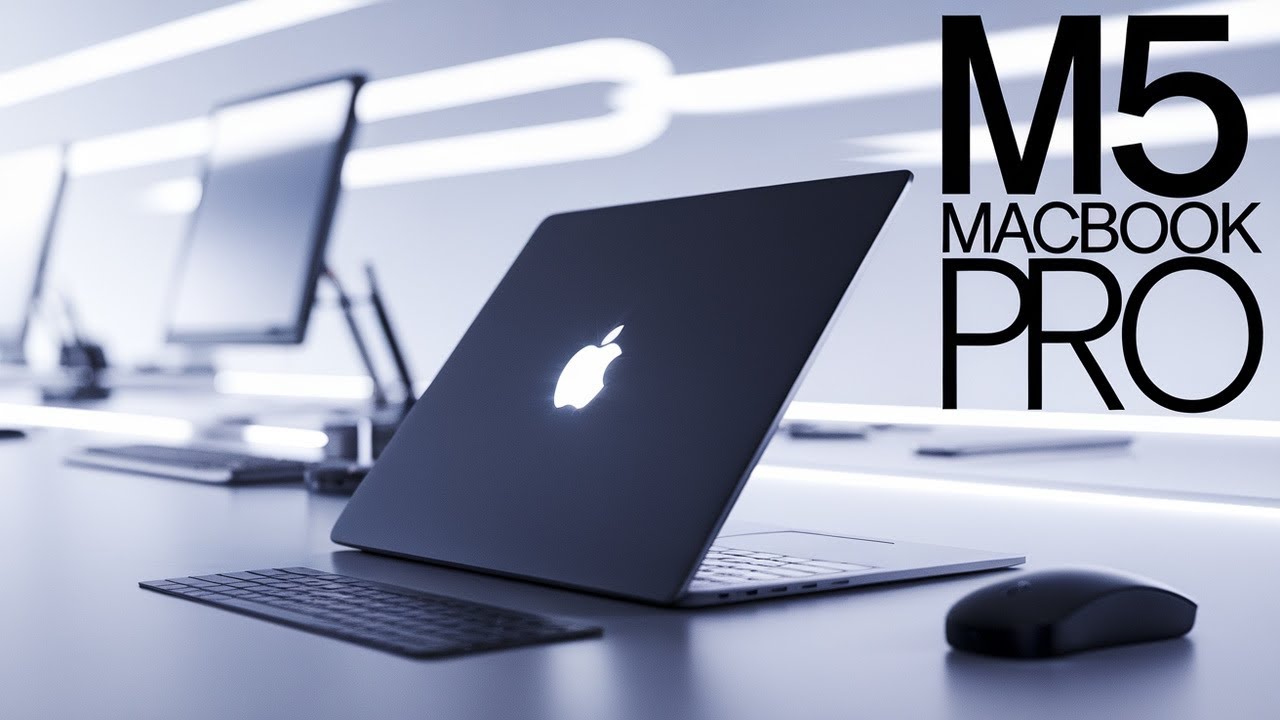
Read More**Apple’s Future MacBook Pro Overhaul: Anticipations for 2026**
Speculations are circulating regarding a major overhaul of the MacBook Pro, expected to launch in 2026, marking five years since its last substantial update. Here are five primary features anticipated in this fresh version.
### OLED Screen
Apple is poised to implement OLED screen technology in the MacBook Pro for the first time. Following its successful introduction in the iPad Pro in 2024, the OLED displays are anticipated to offer increased brightness, better contrast ratios, and more vibrant colors. Reports indicate that Apple will employ Tandem OLED technology, which comprises two layers of RGB, boosting both brightness and durability compared to conventional displays.
Furthermore, the redesign might remove the existing notch in favor of a smaller camera hole cutout, potentially giving the display a more streamlined look.
### Sleeker Design
The forthcoming MacBook Pro is believed to feature a new, sleeker design. Although specific details are limited, this modification is expected to enhance portability without sacrificing performance. The redesign aims to incorporate the latest technological innovations while upholding the elegant aesthetic Apple is recognized for.
### Touchscreen Functionality
Experts foresee that the 2026 MacBook Pro will include touchscreen functionality, marking a notable change for Apple’s laptop range. This advancement aligns with increasing consumer demand for more interactive gadgets and could boost productivity and usability for creative users.
### Cellular Connectivity
For the first time, Apple may implement cellular connectivity in the MacBook Pro. Reports suggest that the company is developing an in-house modem, enabling users to link to mobile networks directly from their laptops. This feature would offer enhanced flexibility and convenience for users on the move.
### State-of-the-Art M6 Chip
The new MacBook Pro is set to launch with Apple’s M6 chip lineup, utilizing TSMC’s cutting-edge 2nm technology. This new generation of chips is expected to provide considerable performance enhancements. While the M6 Pro and M6 Max versions are confirmed, there is some doubt regarding the availability of a base model featuring the M6 chip at the time of launch.
### Launch Timeline
The revamped MacBook Pro is anticipated to be revealed between late 2026 and early 2027, with speculation suggesting an announcement in October. However, limited availability may follow the initial release, echoing previous product launch trends.
### Final Thoughts
The 2026 MacBook Pro overhaul is gearing up to be a groundbreaking update, especially with the incorporation of OLED technology. While awaiting the new model, consumers can benefit from discounts on the existing M4 Pro and M5 models, which are currently offered at reduced prices. As excitement grows, the next generation of MacBook Pro is expected to introduce cutting-edge features that address the changing needs of users.
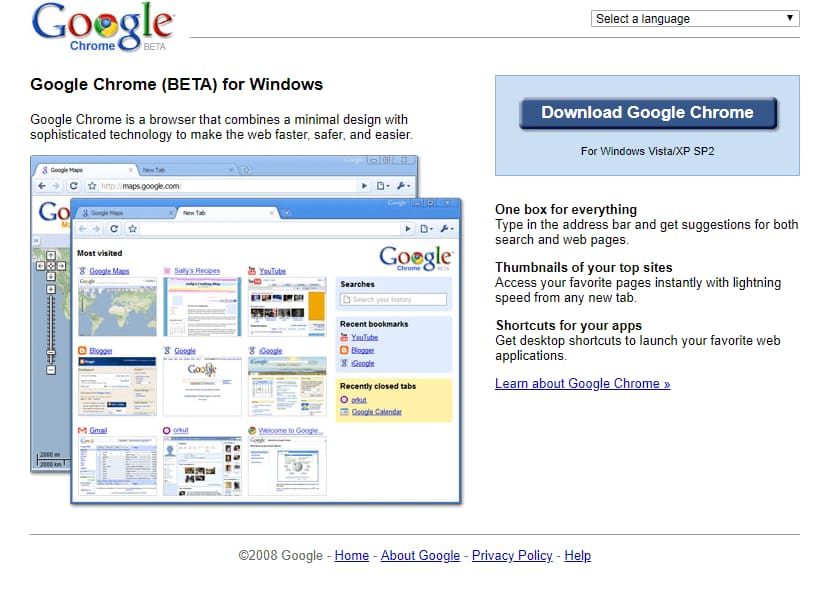
Read Morebeing the leading web browser, Chrome raises several privacy issues — and you should refrain from using it on your Android device and other gadgets if you can. Issues regarding Google’s data sharing policies and other privacy violations have emerged, but there is an even larger problem with Chrome’s Sync feature.
If any device associated with your Google Account is compromised, then that data leak probably affects all other devices you had synchronized together. For instance: Even if your synchronized phone is properly secured, if someone gains entry to your synced laptop, then data shared by your phone through Sync might still be at risk. Although Chrome’s Sync can operate automatically, the positive aspect is that it can be disabled manually. Even more encouraging, there are alternatives to Chrome that provide robust privacy safeguards.
Zamahsyary Ashfiya/Shutterstock
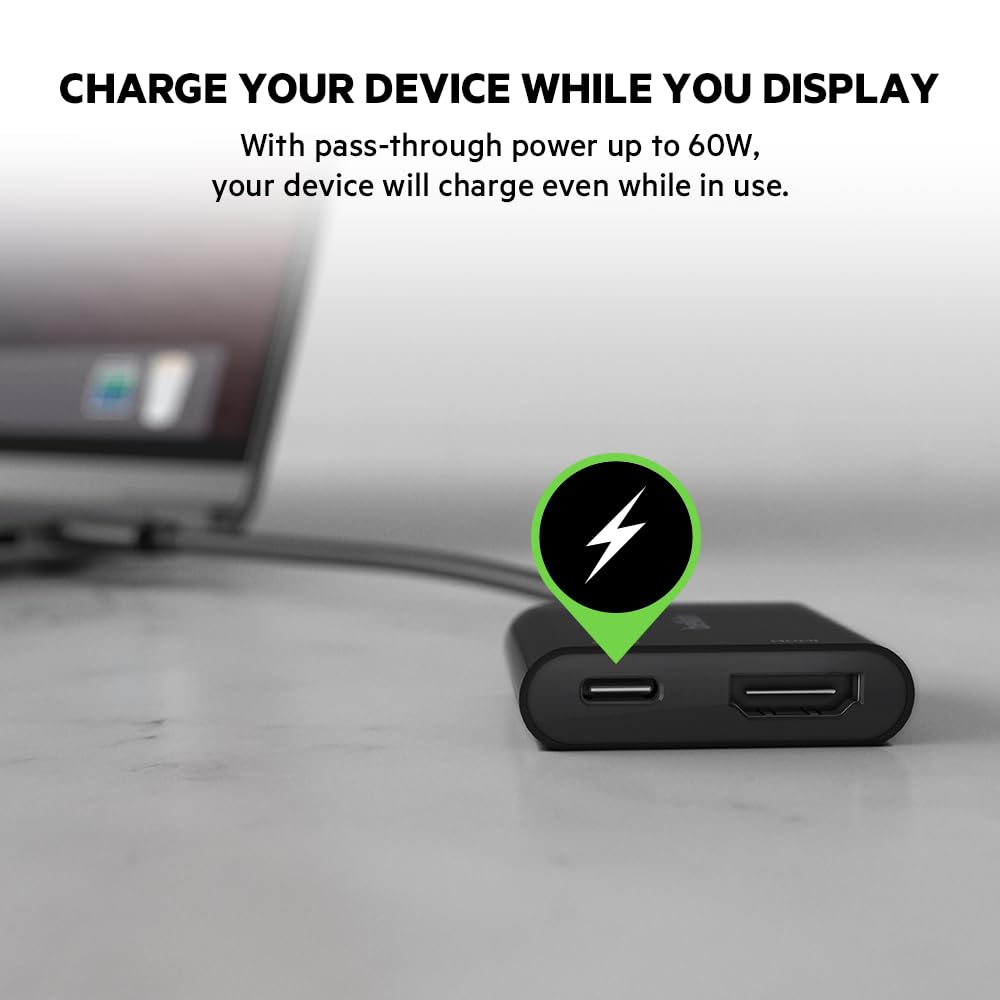
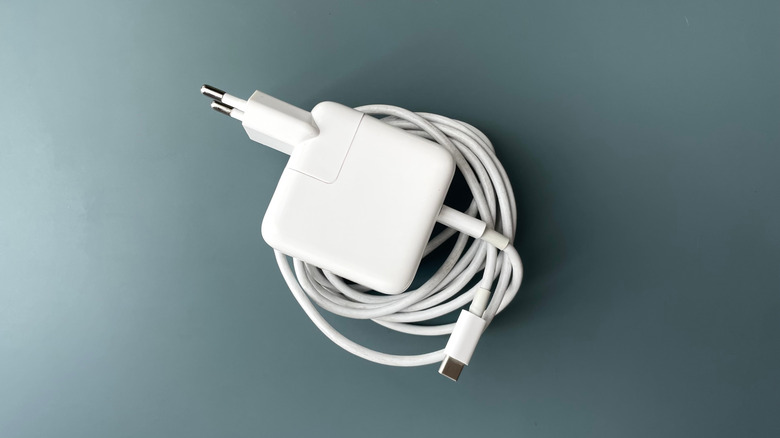
USB-C chargers are becoming an increasingly prevalent method to power a variety of mobile devices, ranging from smartphones to laptops. This trend has prompted numerous smartphone manufacturers to eliminate the inclusion of a power brick in the packaging of new smartphones. Nevertheless, wall chargers are still frequently packaged with laptops, and often, they are USB-C chargers, as seen with MacBook models, Chromebooks, and various Windows laptops. This raises the question: If you possess a USB-C charger with your laptop, can it also be utilized to charge your smartphone?
The concise answer is affirmative, particularly for smartphones launched in recent years. However, you might be curious about how this works, what charging speeds to anticipate, whether your phone’s fast charging feature will function, and if it is safe to regularly use your robust laptop charger with your phone. Here’s all the information you require.

Zamahsyary Ashfiya/Shutterstock
Amazon’s AI-driven virtual shopping assistant, known as Amazon Go, offers a shopping experience that eliminates the need for checkout lines, whether staffed or self-service. Shoppers who enter the establishment equipped with the Amazon shopping application or Amazon One can, as stated by the company, Simply Walk Out with their items. This is made possible by digital monitoring systems within the store that automatically bill you for what you take with you.
This innovation has reached far beyond Amazon’s own locations. Globally, venues such as stadiums, university bookstores, and healthcare facilities are implementing the Just Walk Out system. The goal is to transform the shopping experience, and it does seem to provide ease and efficiency. However, not everyone may embrace this system, and shoplifters may continue to pose a challenge, despite this additional obstacle in their path.
In early December 2025, the Chinese robotics company EngineAI unveiled its humanoid robot T800. Unlike other robots built for chores or evading hazardous situations, EngineAI’s T800 highlights a unique array of functionalities. A video with more than 1.3 million views shows the robot breaking through doors, executing martial arts moves, and exhibiting remarkable body coordination. In spite of doubts regarding the credibility of the robot’s skills, EngineAI asserts that no AI or CGI technology was employed.
Humanoid robots typically continue to refine fundamental abilities like walking, making the T800’s accurate kicking skills particularly impressive. This innovation follows BGR’s September 2025 preview of XPENG’s humanoid robot, which ignited debate due to its realistic look. The swift progress in robotics has resulted in diminished public expectations, which EngineAI seeks to overturn.
EngineAI is broadening the prospective uses for humanoid robots beyond domestic chores. To refute allegations of presenting a fake robot, the company shared behind-the-scenes footage and a video featuring the T800 in a staged fight with the company’s CEO. In the footage, the T800 nearly strikes the CEO’s face with a kick and subsequently lands a strong kick to his stomach, showcasing the robot’s power. The CEO remarked that, without protective gear, the kick might have inflicted serious harm.
Although the T800’s combat skills are captivating, EngineAI’s primary emphasis remains on industrial uses, such as aiding in warehouses and factories. The T800 is anticipated to commence shipping by mid-2026, representing a major advancement in the functionalities and uses of humanoid robots.
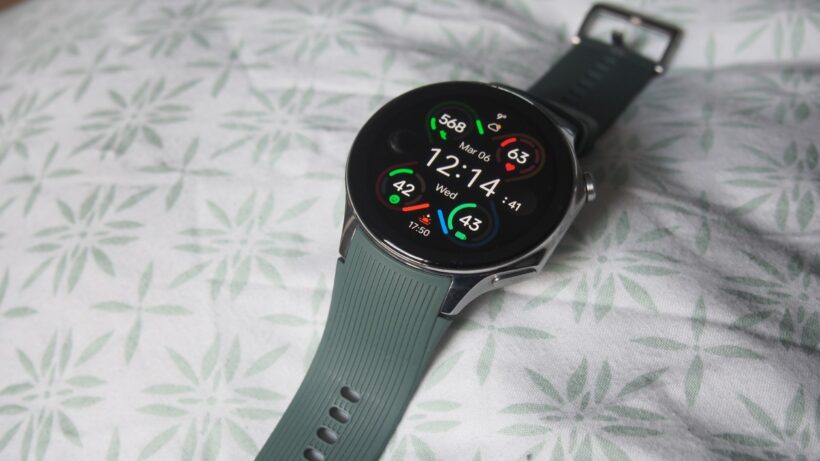
Read MoreConsumer Reports) highlights the numerous flagship features and top-notch components that manufacturers incorporate into their lineup of smartwatches. With a watch option available for almost every lifestyle and budget, you might find yourself curious about what specifically makes Amazfit so affordable. Several factors contribute to this, including a custom operating system and specific design and component selections. You may be astonished to discover just how few compromises the manufacturer has made.
Wear OS timepieces have undergone considerable advancements throughout the years, with Google and Samsung at the forefront of improving the user experience and capabilities of these gadgets. The rivalry between these technological powerhouses has driven innovation, resulting in more intelligent, efficient, and feature-packed smartwatches.
Google’s Wear OS platform has progressed to deliver a more integrated and fluid experience with Android devices. The launch of Wear OS 6 placed a significant emphasis on health and fitness, introducing features like dual-band GPS and the Fitbit Personal Health Coach, which offers tailored training regimens. The Pixel Watch 4, featuring enhanced battery performance and fitness functions, has garnered positive feedback, highlighting Google’s dedication to evolving its wearable tech.
On the flip side, Samsung has persistently advanced the limits with its Galaxy Watch lineup. The Galaxy Watch 8 revealed a fresh design and sophisticated health tracking functionalities, including the Vascular Load and Antioxidant Index. Samsung’s One UI 8 Watch, a derivative of Wear OS 6, provides impressive Tiles and a beneficial Now Bar, enriching the overall user interface and experience.
Even with these improvements, obstacles persist. Certain brands face difficulties with prompt updates, and the industry experiences varying degrees of commitment from diverse manufacturers. Nevertheless, the strides made by Google and Samsung have established a high benchmark, prompting other companies to innovate and elevate their products.
In summary, Wear OS watches are superior to ever before, with Google and Samsung expanding the divide through their relentless endeavors to enhance functionality, design, and user satisfaction. As technology progresses, we can anticipate even more thrilling advancements in the realm of smartwatches.
Read More 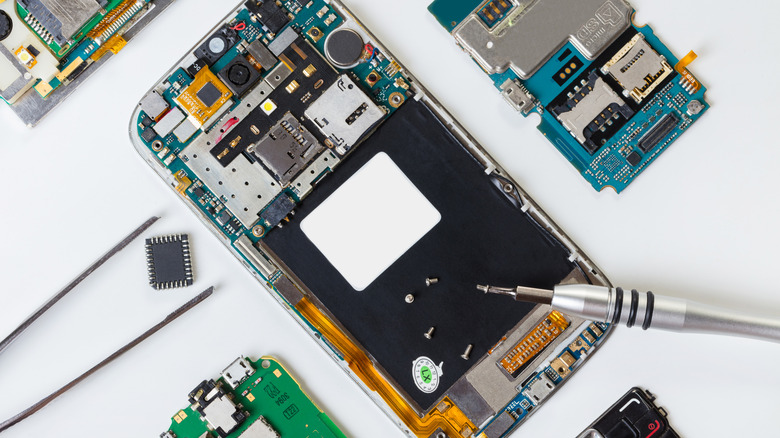
Eduard Lysenko/Getty Images
Consumer technology has integrated into our everyday routines: smartphones, laptops, smart TVs, gadgets, and beyond. Many of these items come with a significant price tag. When they develop technical problems or fail completely, it often seems like you have only two choices — take it to a repair shop or purchase a completely new device. Yet, a DIY movement that is gaining traction at the legislative level is looking to change this scenario.
This movement is known as the Right to Repair. It emphasizes that consumers who buy technology should be able to access the documentation, components, and tools necessary to perform repairs themselves. Platforms like iFixit are at the forefront of this initiative. This movement is pushing manufacturers to be accountable for creating products that are not easily repairable, for keeping essential documents crucial for the repair process under wraps, and for producing items that are more inclined to be replaced than repaired.
Nuclear energy is also utilized to operate American aircraft carriers and submarines. Nevertheless, without military applications and research, it’s possible that we would have never understood how to control nuclear energy and apply it for civilian purposes.
It is not feasible to attribute nuclear power’s invention to a single historical personality, as there was no solitary moment of brilliance that created it. The emergence of nuclear energy was not due to one unique insight, but rather the culmination of years of scientific advancements accomplished by numerous individuals from various nations. Some even contend that its origins trace back to ancient Greek thinkers who speculated about the existence of atoms, the smallest, unseen units of matter. Yet, it was in the 19th and 20th centuries that scientists first unraveled the true nature of atoms. Certain elements possess unstable atoms that emit energy when they undergo radioactive decay.
Towards the end of the 1930s, nuclear fission was discovered. Researchers found that an atom’s nucleus could divide and release an enormous amount of energy. This discovery marked a significant achievement, but it wasn’t sufficient to
Read More