10 Important Tips for Caring for Your OLED Screen

OLED displays have established themselves as the benchmark for smartphones, along with premium monitors and televisions. In contrast to conventional LCD and LED panels, OLED screens consist of self-lighting pixels that can be activated or deactivated independently. Consequently, OLED screens are capable of achieving sharp, deep blacks and exhibit significantly improved color accuracy compared to their predecessors. This color enhancement alone can revolutionize the viewing experience for TV shows, movies, or gaming.

Nevertheless, OLEDs are also prone to permanent image retention (commonly referred to as burn-in). Unlike standard LED screens, OLED displays necessitate several distinct care routines to maintain their appearance and functionality over time. Fortunately, OLED screens are equipped with numerous integrated protection features and maintenance tools that assist in maintaining their visual quality. By combining these built-in options with mindful practices and habits, you can ensure your OLED screen remains in excellent condition for a prolonged period. The encouraging news is that sustaining your OLED in optimal condition is not overly complex; minor adjustments to your device settings and behavior can make a significant difference.

Implement careful cleaning techniques
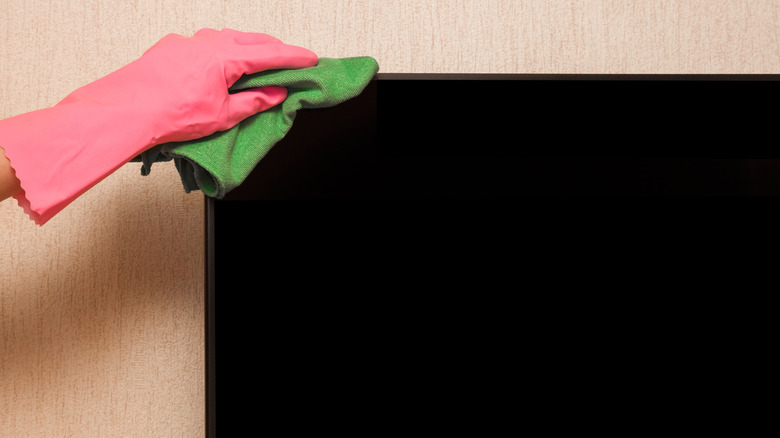
When it comes to keeping your OLED screen looking vibrant, using a soft cloth is essential. Avoid using paper towels or rough fabric, as these may scratch the surface. Instead, opt for microfiber cloths that are designed specifically for electronics. Additionally, apply a mild cleaning solution or even just distilled water to the cloth rather than spraying it directly onto the screen. This method minimizes moisture damage and reduces the risk of streaks while cleaning.

Moreover, always utilize gentle pressure to wipe the screen in circular motions, avoiding excessive force. It’s essential to steer clear of using abrasive cleaners that contain alcohol or ammonia, as these can deteriorate the screen’s protective layer. A quick cleaning routine will not only enhance the longevity of your OLED but will also maintain its pristine condition for an immersive viewing experience.

“Investigating an Uncommon Viewpoint in John Carpenter’s Less Recognized Alien Movie”

whose antagonist took inspiration from a sci-fi western, alongside “The Thing,” which debuted in the finest year for science fiction films, an intrinsic rawness, animosity, and brutality permeate his movies. This also encompasses his dystopian works, like “Escape From New York” and “Escape From L.A.” However, there existed a period during the director’s prime when he ventured into something a bit distinct.

The 1984 film “Starman,” helmed by Carpenter and penned by Bruce A. Evans and Raynold Gideon, is a romantic tale infused with science fiction elements. It narrates the story of an extraterrestrial (Jeff Bridges) sent to Earth to make contact after Voyager 2 transmits a disc into space containing an audio message inviting alien beings to visit humankind peacefully. However, once the U.S. government detects the UFO, they shoot it down, causing it to plummet in Wisconsin, near the residence of Jenny (Karen Allen), a mourning young woman who has recently faced the loss of her husband, Scott. Utilizing advanced technology, the visitor duplicates and takes on the persona of Scott — by means of his DNA, old pictures, and video recordings — which thoroughly unsettles the widow.

Following the initial surprise, Jenny quickly realizes that the being is not human and could pose a threat — despite his seeming harmlessness. All he desires is to reach Arizona within three days and return to his place of origin. With concerns for her safety, Jenny opts to assist him, embarking on a journey that will transform both of them in ways they never anticipated.

Starman is peculiar yet strangely charming and poignant, too

<div class="slide-key image-holder gallery-image-holder

iPhone Fold Merges Attributes of Two Cherished Devices

# Apple’s Inaugural Foldable iPhone: The iPhone Fold

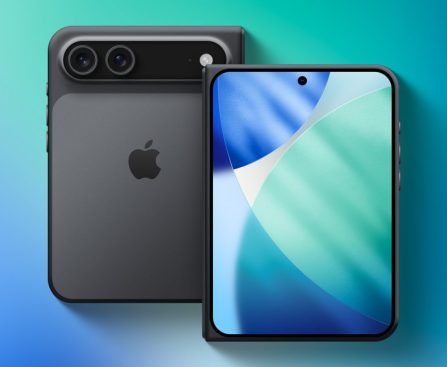
Apple is preparing to introduce its inaugural foldable iPhone, known as the iPhone Fold, this autumn. Recent speculations indicate that this groundbreaking device will integrate the finest characteristics of two cherished products: the iPhone mini and the iPad mini.

## My Experience with iPhone 12 Mini and iPad Mini

Throughout the years, I’ve owned a variety of iPhone and iPad models, but two of my absolute favorites are the iPhone 12 mini and the iPad mini. I had the iPhone 12 mini back in 2020 and appreciated its ergonomic one-handed functionality. However, upon hearing that the iPhone 13 mini might be the last iteration, I begrudgingly upgraded to an iPhone Pro.

Prior to the launch of the iPad Pro in 2015, I was a keen user of the iPad mini. It delivered all I required from a tablet while I continued utilizing a MacBook Air. Its portability was one of its standout features; it could conveniently fit in my jacket pocket, making it easy to carry anywhere.

At present, I have an iPhone Air and an M5 iPad Pro as my main devices. Yet, the imminent iPhone Fold has stirred my fond memories of the ‘mini’ experience, potentially presenting it in a single gadget.

## iPhone Fold: Two ‘Mini’ Devices Combined

Reports suggest that the iPhone Fold will sport a distinctive design. When folded, it will be shorter and broader compared to current iPhone models. Once opened, it will look similar to an iPad mini, featuring iPad-like applications.

The anticipated screen dimensions are around 5.4 inches for the outer display and 7.8 inches for the inner display. In contrast, the iPhone 17 and 17 Pro boast a 6.3-inch display, the iPhone Air has a 6.5-inch display, and the iPhone 17 Pro Max measures 6.9 inches. For individuals used to larger iPhones, the 5.4-inch display might appear diminutive.

I have always favored smaller iPhones, so I am keen to try the iPhone Fold in its folded condition, hoping it encapsulates the spirit of the iPhone mini. More significantly, I look forward to having a device akin to the iPad mini within my pocket at all times, and not just in colder seasons when a jacket is on hand.

The idea of carrying a portable, iPad-sized gadget in my pocket is exhilarating, particularly for activities like drafting articles using a more desktop-level Safari browser.

Should the iPhone Fold be a success, it’s probable that Apple will look into larger display options to appeal to a wider demographic, recognizing that my preference for smaller screens isn’t universal.

For the time being, I remain optimistic that the iPhone Fold will enable me to revisit those treasured ‘mini’ moments in a single, adaptable device.

What are your opinions on the speculated design and dimensions of the iPhone Fold? Feel free to share your thoughts in the comments.

Apple Adds Two iPhone Models to Its ‘Obsolete Products’ Catalog

### All iPhone 4 and iPhone 5 Models Have Been Declared Obsolete

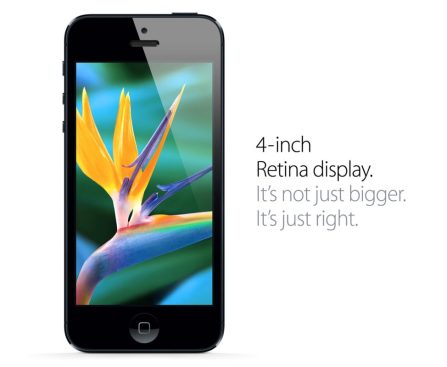
Apple has officially categorized the iPhone 4 and iPhone 5 as obsolete devices on a global scale. This classification has important repercussions for users owning these models.

#### Clarifying Apple’s Vintage and Obsolete Categories

Apple generally designates a product as “vintage” five years after it has been taken off the market. Once a product is labeled vintage, Apple will maintain service for it only while parts are still in stock. The shift to the obsolete category happens after more than seven years have lapsed since the device was last sold, at which time Apple withdraws all support for the product.

The recent announcement confirms that the iPhone 4 and iPhone 5 have both reached this milestone, indicating a reduction in repair possibilities as parts become rarer.

#### Details Regarding the iPhone 4 and iPhone 5

For the iPhone 5, the shift from vintage to obsolete was seamless, as it had already been designated vintage before this announcement. The situation for the iPhone 4 was more complicated; while the iPhone 4 GSM (8GB) had already been deemed obsolete, the iPhone 4 (8GB) was still classified as vintage until this point. Apple has now adjusted its records to indicate that the iPhone 4 (8GB) is also now obsolete.

#### Consequences for Users

Owners of these devices should recognize that, due to the obsolete classification, they will no longer be eligible for any support from Apple. This encompasses repairs, software updates, and technical help. As sourcing parts becomes increasingly difficult, users may encounter obstacles in maintaining or fixing their devices.

For those wanting to access Apple’s full list of vintage and obsolete items, along with instances where service may be prolonged for up to ten years, additional details can be found on Apple’s support site.

#### Summary

The designation of the iPhone 4 and iPhone 5 as obsolete represents a notable moment in the lifecycle of these devices. Users ought to think about upgrading to newer models to ensure ongoing support and access to the newest features and security enhancements.

Mimms Museum Presents Engaging Exhibition for Apple’s 50th Anniversary Festivities

**iNSPIRE: 50 Years of Apple Innovation Opens April 1st**

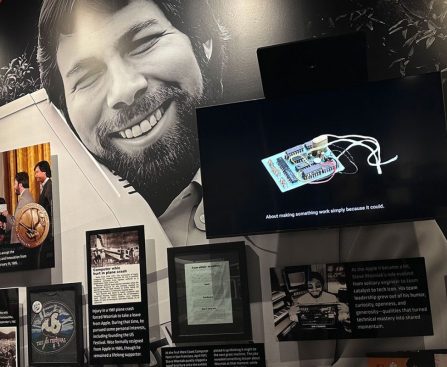
On April 1st, the Mimms Museum of Technology and Art in Roswell will launch its new permanent exhibition, “iNSPIRE: 50 Years of Apple Innovation,” in celebration of Apple’s 50th anniversary. This exhibition will display over 2,000 original artifacts, prototypes, and exclusive documents that narrate Apple’s extraordinary journey through the last five decades.

Attendees can anticipate engaging and interactive experiences that emphasize key milestones in Apple’s history. Significant artifacts featured include Apple employee badges, name tags, and a handwritten specification sheet for the Apple I, personally signed by Steve Jobs.

Covering more than 20,000 square feet, the exhibition includes an interactive iPod experience, where guests can dance in front of a camera and watch themselves change into one of the iconic silhouettes from Apple’s 2003 iPod campaign.

This exhibition is part of a larger celebration of Apple’s significant anniversary, encompassing various events and projects. For additional information about the exhibition, visit the [Mimms Museum’s website](https://mimmsmuseum.org/apple-innovation-exhibit/).

Four Innovative Devices Ready for Purchase Today

smart home gadgets or advanced automotive technology that have swiftly gained traction and become widely recognized, we aimed to discover genuinely obscure futuristic devices. After thorough evaluation and selection, we’ve settled on four items: live translation earbuds, smart AR eyewear, a self-watering planter, and a smart measuring tool.

Collectively, these devices illustrate not only advanced enhancements to typically simple products but also completely new innovations driven by cutting-edge technologies, including AI. Most significantly, their allure lies not just in their utilization of futuristic technology, but in their implementation that makes them deserving of the investment and a genuine advancement in functionality, whether that enhances daily convenience, boosts productivity, alters your interaction with your surroundings, or even enriches your entertainment experience.

Live translation earbuds: Timekettle W4 Pro

The Timekettle W4 Pro is a set of innovative

Reasons Smartphone Makers Eliminated Headphone Jacks

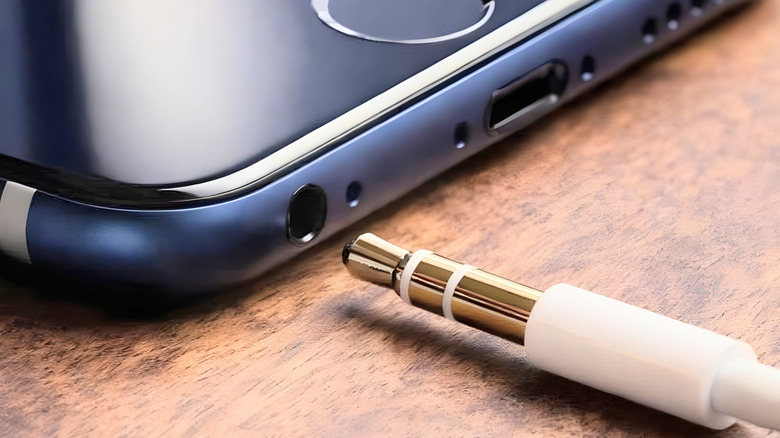
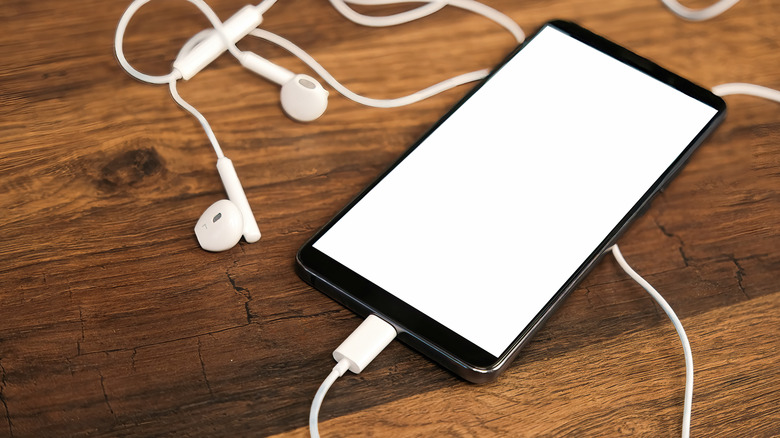
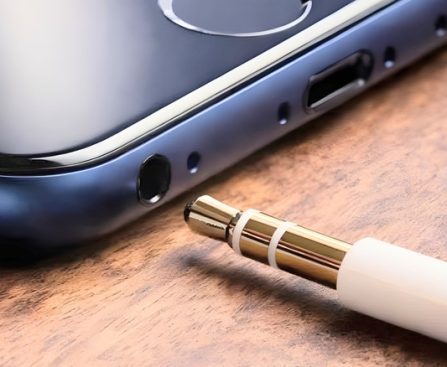
In the last ten years, smartphone producers have increasingly eliminated the 3.5mm headphone jack. Apple led the way with the iPhone 7, making the Lightning port the main connector for charging and wired audio devices. Initially, this move was deemed an unnecessary design alteration.

Over time, as additional manufacturers adapted similarly, users argued that by omitting the port, companies were nudging customers towards earbuds and wireless headphones, creating an undue financial burden. Nevertheless, the trend persisted, and now only a handful of smartphones retain a headphone jack.

Frequently mentioned motives for the removal of headphone jacks by smartphone brands comprise enhancing the phone’s slimness, liberating internal space for essential components, eliminating a potential entry point for dust and moisture, and boosting audio quality. While the latter might be subjective, the transition to USB-C connectors also heralded digital audio, which is widely viewed as superior for sound fidelity. Whether you support the shift from 3.5mm jacks to USB-C or not, smartphone manufacturers have predominantly phased out the former, leaving disgruntled consumers to adjust.

USB-C allowed for sleeker phones and created additional space

The transition to USB-C has played a significant role in enabling manufacturers to create slimmer phones while also providing more room for other critical components within the device. The elimination of the headphone jack has been a pivotal factor in this regard.

By using USB-C connectors, manufacturers have not only streamlined the phone’s design but also embraced digital audio technologies, which are often perceived as delivering superior sound quality compared to traditional analog systems. This change has been welcomed by many, even as it has led consumers to adapt to new audio accessories.