Factors Leading to the Cessation of 3D Panels by Television Producers

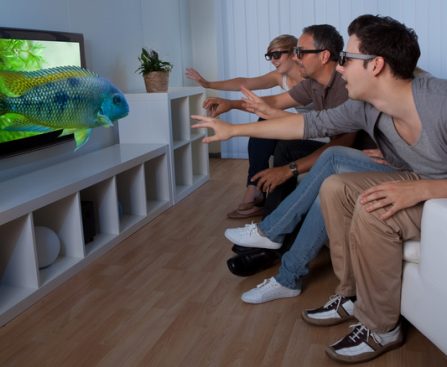
TV specifications when purchasing a new model in the 2010s, there’s no doubt you encountered significant buzz surrounding 3D TVs. Inspired by the monumental success of “Avatar” in 2009, each leading brand hurried to integrate 3D technology into their product ranges, and for a short period, it genuinely appeared that this gimmick would gain traction. So why did television makers choose to halt the production of 3D TVs just a few years later?

In theory, the concept of delivering the 3D thrill of cinemas to your home seemed appealing, but that breakthrough never fully transpired as firms anticipated. At that time, buyers had just completed the transition from analog to digital, and persuading them to spend money again on a feature requiring special glasses and providing a restricted selection of content was challenging from the outset.

The excitement extended beyond TVs, as Nintendo sought to capitalize on it with the glasses-free 3DS in 2011. They shifted to the 2DS in 2013 (and to the Switch a few years later) since numerous games did not feature 3D support, and gamers frequently kept the 3D slider deactivated. Ultimately, a combination of abrupt industry shifts, hardware demanding too much from average users, and a scarcity of content that left countless 3D remotes collecting dust sealed the fate of the technology permanently.

4K and HDR redirected attention from 3D TVs

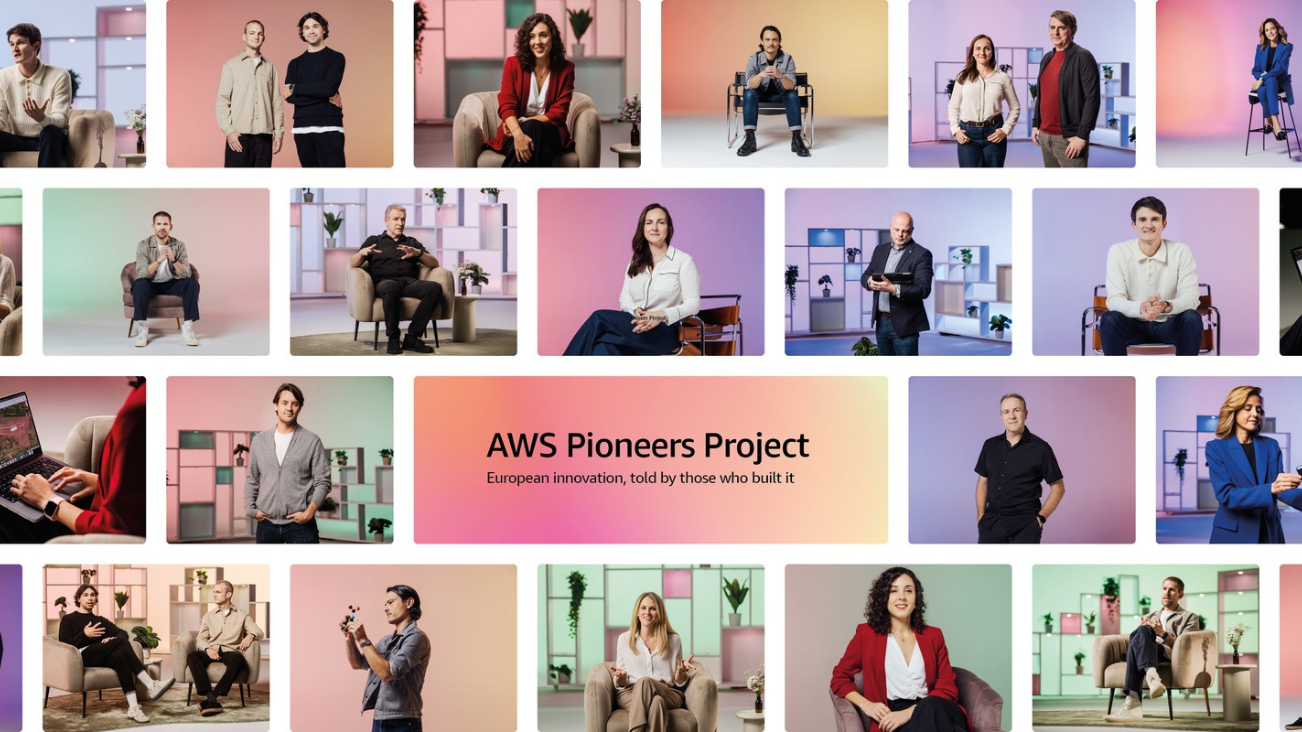
2026 AWS Pioneers: Europe’s Most Impactful AI Startups

The 2026 AWS Pioneers cohort spans healthcare, climate, and conflict zones, and lands alongside a stark warning that Europe risks losing its best innovators if the regulatory environment doesn’t change. Amazon Web Services announced today the second annual cohort of its Pioneers Project: twelve European companies using AI and cloud infrastructure to tackle problems that […]

This story continues at The Next Web

WhatsApp Launches Updated Profile Tab for iOS Users in Recent Update

After several weeks of testing, WhatsApp is now officially launching the new profile tab for iOS users. Here are the specifics.

### Feature Simplifies Active Account Identification

Last month, WABetaInfo reported that the TestFlight beta of WhatsApp substituted the Settings tab in the bottom right corner with a new tab named “You.” This fresh tab opens a revamped profile settings page and utilizes the user’s profile photo as its icon, rather than the usual stylized gear.

According to the release notes for WhatsApp version 16.5.10.73 which was released today on the App Store, the modification is officially launching for iOS users:

– The settings tab has now transformed into a profile tab, allowing you to manage your account, control your identity, and express yourself.

This feature marks an initial step towards multi-account support, which Meta has been testing and developing for some time. By using the user’s profile photo as the “You” tab icon and emphasizing it on the page itself, WhatsApp facilitates easy identification of the active account at a glance. This approach is similar to Instagram and Threads, where the default avatar icon is replaced with the user’s profile photo when handling multiple accounts on a single device.

WABetaInfo highlights that while the feature is being rolled out to general users, its availability still seems limited, and certain functionalities are restricted:

Even though this update isn’t widely accessible yet, WhatsApp has also revamped the profile page by introducing a default cover photo at the top of the screen. The cover photo offers a large header that personalizes the profile. Presently, only a select number of users can access this feature. For those who can utilize it, the cover photo enhances the overall appearance of the profile and aids in recognition. Currently, users cannot change their cover photo, indicating that users will need to await a future update to substitute the default cover photo with a personal image.

As with other WhatsApp updates, it may take a while before all users gain access to the new feature. Numerous users, myself included, still lack access to the Liquid Glass interface that started rolling out last October, so the new “You” tab may also take some time to become available to everyone.

Apple Executive Responsible for Home Products Moves to Oura

**Apple’s Smart Home Division Confronts Obstacles Following Key Departure**

Apple’s smart home division is facing notable obstacles after the exit of Brian Lynch, the hardware chief for home devices. As reported by Bloomberg, Lynch has departed Apple to take on the role of senior vice president of hardware engineering at Oura, a manufacturer of smart rings. This shift represents yet another hurdle for Apple’s smart home initiative, which has recently encountered delays and challenges.

Lynch’s departure is especially significant as he had been responsible for the hardware development of new devices within Apple’s smart home division since 2022. His exit arrives at a moment when Apple is said to be postponing the rollout of its eagerly awaited smart display, an initiative that has been delayed several times due to persistent issues with Siri, Apple’s voice assistant. An update to Siri is considered crucial for providing personalized data to the smart display, underlining the interdependence of hardware and software within Apple’s product ecosystem.

Before his position in the smart home division, Lynch was involved with Apple’s self-driving car initiative and was instrumental in the development of various iPod models. His departure follows that of DJ Novotney, who resigned as vice president of program management for the home hardware group in 2024, reflecting a trend of significant departures from this segment.

The smart home team at Apple is currently under the leadership of Matt Costello, who also manages audio engineering and Beats products. Costello reports to John Ternus, who is deeply engaged in Apple’s smart home initiatives and considers this domain essential for the company’s future expansion. Despite the challenges, Apple is rumored to be developing several new home products, including a video doorbell featuring Face ID and integration with smart locks, suggesting that the company is still devoted to broadening its smart home portfolio.

For more detailed insights, you can read the full report by Bloomberg [here](https://www.bloomberg.com/news/articles/2026-03-17/apple-s-head-of-home-hardware-leaves-for-smart-ring-maker-oura?srnd=undefined&embedded-checkout=true).

Security Insight: The Absence of Encryption in Your Instagram Direct Messages

Meta has declared that end-to-end encrypted (E2EE) messaging will be phased out on Instagram after May 8, 2026, citing a lack of user uptake as the main factor. Users who have encrypted chats are urged to export them prior to the deadline. A spokesperson for Meta remarked that the feature was not extensively used, leading to the choice to eliminate it, while indicating that users may still utilize E2EE on WhatsApp.

End-to-end encryption serves as a crucial privacy measure that secures messages on the sender’s device, only allowing decryption on the recipient’s device, preventing unauthorized access, including from Meta itself. Nonetheless, the E2EE feature on Instagram was not automatically activated; users were required to enable it manually, which likely contributed to its limited adoption.

Critics, such as cryptographer Matthew Green, have highlighted that Meta had previously pledged to establish E2EE as a default feature on Instagram, underscoring its significance for human rights. The recent choice to eliminate E2EE raises alarms about privacy on platforms that depend on advertising revenue, since encrypted messages cannot be leveraged for targeted ads.

The timing of this announcement is significant, particularly in light of Meta’s intentions to harness interactions with its AI tools for ad purposes, which would be impeded by E2EE. While WhatsApp continues to provide E2EE by default, the removal of this option from Instagram serves as a reminder that privacy safeguards on ad-supported platforms are not assured.

In summary, the decision to discard E2EE from Instagram aligns with Meta’s business priorities in data collection, prompting inquiries about the future of privacy features on social media networks. The potential backlash from users may not be enough to overturn this decision, and there are worries that encrypted messaging could eventually turn into a premium offering.