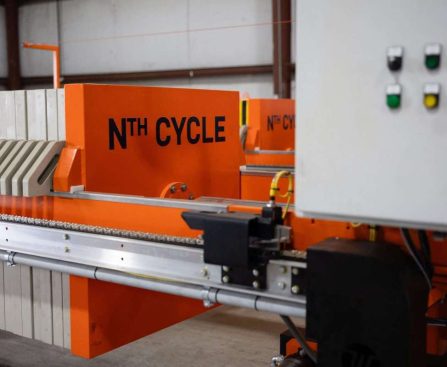
Critical minerals startup Nth Cycle is betting that its modular approach to nickel refining can make the practice viable in the U.S. and Europe.
Successor in Creation for Abandoned Galaxy Z TriFold
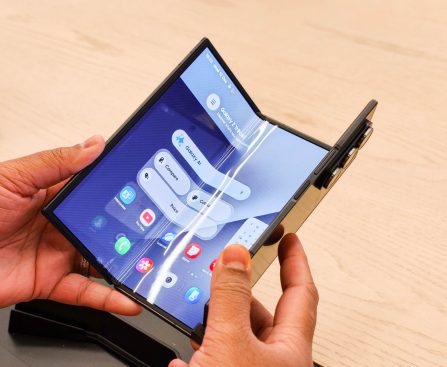
The Upcoming Galaxy Z TriFold: A Sleeker and Lighter Model Anticipated in 2027
Samsung is said to be preparing for the debut of a fresh version of its foldable phone line, the Galaxy Z TriFold, likely launching in 2027. This new edition is predicted to showcase a sleeker and lighter structure, addressing some issues highlighted regarding its earlier model.
The existing Galaxy Z TriFold, which is expected to be phased out in the U.S. once current stock is depleted, has encountered obstacles like elevated production expenses and a cumbersome design. Nevertheless, Samsung is not withdrawing from the foldable phone arena. Rather, the firm is already assessing the viability of a successor that aims to enhance user experience with its lighter weight and slimmer profile.
Alongside the TriFold, Samsung is also investigating the creation of a slideable phone. This groundbreaking device could extend to a 7-inch display, providing a new level of versatility for users desiring larger screens while maintaining portability.
The move to pursue these innovations corresponds with Samsung’s dedication to remaining at the cutting edge of mobile technology. By concentrating on making foldable phones more practical and cost-effective, Samsung seeks to reinforce its standing as a pioneer in the foldable smartphone sector.
As the company persists in perfecting its designs and awaits stabilization of component prices, the expected 2027 launch might signify a notable breakthrough in the growth of foldable and slideable smartphones. With these advancements, Samsung is set to reshape what consumers can anticipate from their mobile devices in the future.
FBI and DIA Obtain Location Information of U.S. Citizens from Data Vendors
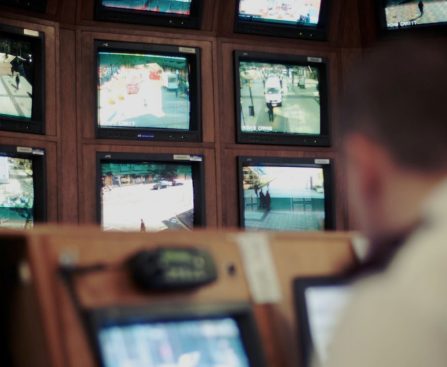
Both the Federal Bureau of Investigation (FBI) and the Defense Intelligence Agency (DIA) have verified their practice of acquiring location data of U.S. citizens from data brokers without securing warrants. This disclosure has sparked substantial worries regarding privacy rights and the possible misuse of authority by government entities.
Senator Ron Wyden has labeled this practice as both “dangerous” and an “outrageous” infringement of the Fourth Amendment, which safeguards against unjust searches and seizures. The FBI has previously admitted to obtaining location data but claimed in 2023 that it had halted such acquisitions without warrants. Then-Director Christopher Wray declared, “We previously – as in the past – purchased some such information for a specific national security pilot project. But that’s not been active for some time.”
Nevertheless, recent comments from current FBI Director Kash Patel suggest that the agency is reconducting this practice. During a Senate hearing, Patel confirmed that the FBI is acquiring commercially accessible information that can be utilized to monitor individuals’ movements and location histories, asserting that these actions align with constitutional laws, particularly the Electronic Communications Privacy Act.
In a similar fashion, DIA Director James Adams admitted that his agency also procures commercially available data. This scenario reveals a significant legal gap: while warrants are mandated to obtain location data from mobile providers, data sourced from brokers is not subject to the same legal obligations. Senator Wyden has denounced this as an “outrageous end run around the Fourth Amendment,” particularly given the rising employment of artificial intelligence to scrutinize large quantities of private information.
In light of these concerns, Wyden is promoting a bipartisan bill intended to close this gap, known as the Government Surveillance Reform Act, with related legislation introduced in the House. The justification offered by the FBI and DIA for their actions is that since this data is purchasable by anyone, they consider warrants unnecessary.
The broader issue at stake is the legality of trading personal data in the U.S. This practice highlights the pressing necessity for comprehensive federal privacy legislation, similar to Europe’s General Data Protection Regulation (GDPR), to safeguard citizens’ privacy rights and ensure that personal data is not exploited without appropriate oversight.
Give Your Child Beneficial Screen Time with Pok Pok for $45
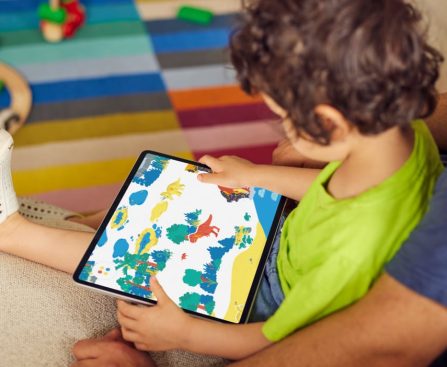
Montessori-inspired educational app for kids 2-8 that fosters learning, curiosity, and stress-free screen time, now $44.97.
Top 8 Dating Apps and Websites for Singles Over 40
We tested the best dating apps for singles over 40 to help you find serious relationships, casual dates, and everything in between.

The M4 MacBook Air is $200 off before Amazon’s Big Spring Sale — get the best early MacBook deal
Get the best MacBook deal at Amazon. Save 17% on the 15-inch 2025 MacBook Air at Amazon.

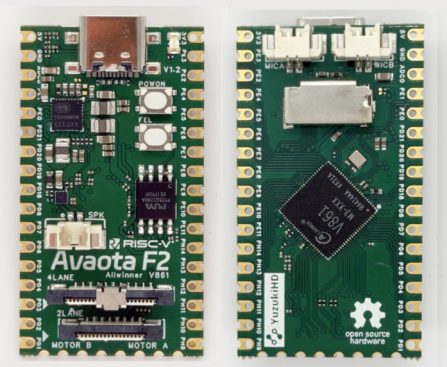
Avaota F2 – Allwinner V861 RISC-V SBC Aims at AI Cameras with PTZ and Audio Features
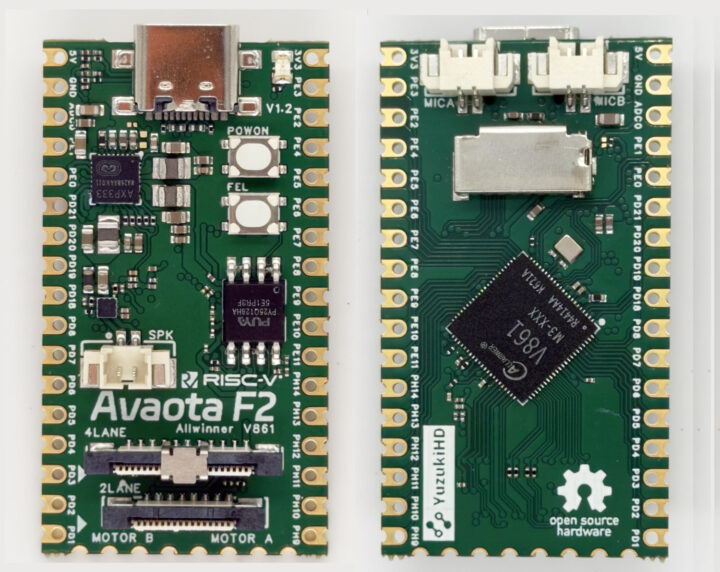
Avaota F2 is the first SBC based on an Allwinner V861 dual-core 64-bit RISC-V SoC with 128MB on-chip DDR3 memory, support for 4K cameras, a H.265 video codec, and a 1 TOPS AI accelerator. It’s an update to the earlier Avaota F1 camera board based on an Allwinner V821 SoC. The new open-source hardware F2 SBC offers several benefits, including support for both Full HD and 4K camera sensors, motor control for the PTZ (Pan-Tilt-Zoom) feature, and improved audio support through speaker (one) and microphone (two) connectors. However, the F1 also included WiFi, which the Avaota F2 lacks. Avaota F2 specifications: SoC â Allwinner V861M2-XXX CPU Dual-Core RISC-V XuanTie C907 (RV64GCBV/RV32GGCBV) clocked up to 1.4GHz with RVV 1.0 extensions Single-core RISC-V XuanTie E907 (RV32IMAFC) clocked up to 800MHz VPU Video Encoder H.264/H.265 up to 4K @ 25fps (M)JPEG up to 8192Ã8192 Video Decoder â (M)JPEG up to 1080p60 AI accelerator […]
The post Avaota F2 – Allwinner V861 RISC-V SBC targets AI cameras with PTZ and audio support appeared first on CNX Software – Embedded Systems News.
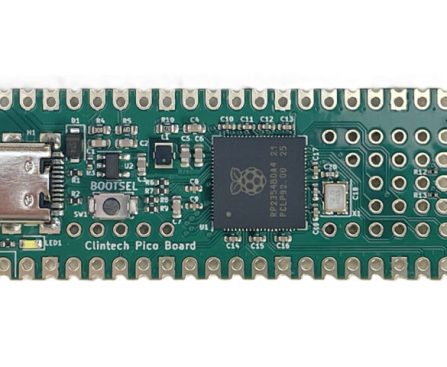
Clintech Pico: First Raspberry Pi RP2354B Board with 48 GPIOs in Pico Form Factor
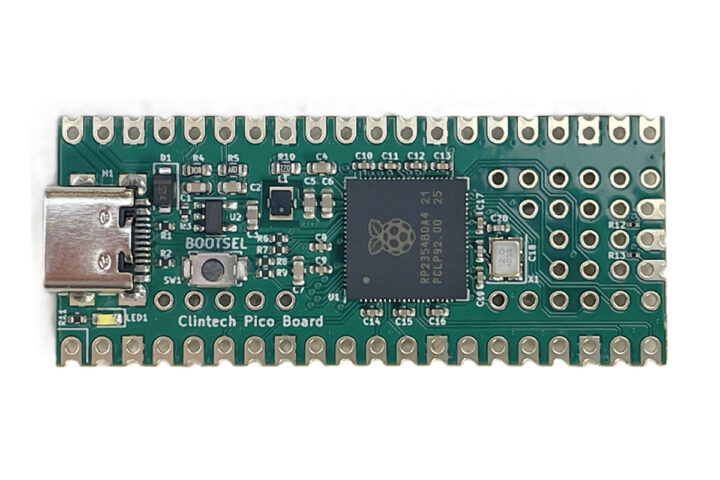
Designed by Clintech Ltd. in Bulgaria, the Clintech Pico Board appears to be the first development board based on the Raspberry Pi RP2354B chip with 2MB on-chip memory. It retains the same form factor as a Raspberry Pi Pico 2 but adds extra GPIOs to make use of the 48 general-purpose GPIOs provided by the RP2354B chip. Like the Raspberry Pi Pico 2, this board features 40 castellated and through holes on the sides, exposing GPIOs 0â22 and 26â28, along with 3 debug pins. Additionally, the board includes 27 extra on-board through holes that break out the remaining GPIOs (23â25 and 29â47) as well as the QSPI interface (SD0âSD3 and SCLK) for external memory. Clintech Pico specifications: SoC – Raspberry Pi RP2354B Â CPU Dual-core Arm Cortex-M33 @ 150 MHz with Arm Trustzone, Secure boot Dual-core 32-bit RISC-V Hazard3Â @ 150 MHz (3-stage in-order pipeline;Â RV32IMACÂ with Zba, Zbb, Zbs, Zbkb, Zcb, Zcmp, and […]
The post Clintech Pico – The first Raspberry Pi RP2354B board offers 48 GPIOs in Raspberry Pi Pico form factor appeared first on CNX Software – Embedded Systems News.
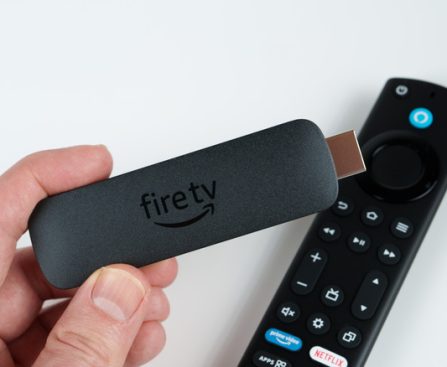
How to Resolve the 5 Most Frequent Issues with Amazon Fire TV Stick
things to consider before purchasing a Fire TV Stick, including the typical problems encountered by Fire TV Stick users.
We explored online discussions to identify the most frequently reported issues and errors among Amazon Fire TV Stick users and subsequently tested solutions to address them. These encompass common error alerts, their meanings, and methods to eliminate them, along with related challenges such as limited storage that users commonly face. We also uncovered some typical missteps that individuals make which result in difficulties. Thankfully, although there are numerous prevalent concerns that Amazon Fire TV users encounter, resolving these problems is relatively simple.
1. Storage issues
The Fire TV Stick is fantastic most of the time, until you encounter the frustrating Low on Storage error message. This may not pose a significant issue for those using a Fire TV Stick 4K Max, which boasts 16GB of storage, but for users with older versions, such as the Fire TV Stick Lite or the Fire TV Stick 4K, only 8GB is available.
The simplest way to resolve storage problems on your Amazon Fire TV Stick is to expand its storage with an external flash drive, which can be done by acquiring a micro-USB to USB OTG adapter, like one from AuviPal. Connect the adapter to the power port, attach the power cable to the other end, and insert a compatible flash drive into the available OTG slot. You can then power on your Fire TV and navigate to My Fire TV to verify if the external storage is recognized. From there, you can format it as external storage and transfer any apps to it via Manage Applications in Applications, selecting the desired apps to relocate. This method is an excellent workaround and is what we suggest for most users.
Is AdultFriendFinder Legit? Follow These 4 Rules to Find Out
How to meet people on AdultFriendFinder and what kind of success rate can you expect from this adult dating site.