March Update Leads to Always-On Display Freezing Problem for Pixel Users

**Google Pixel Users Report Discontent with March Update Causing Freezing of Always-On Display**

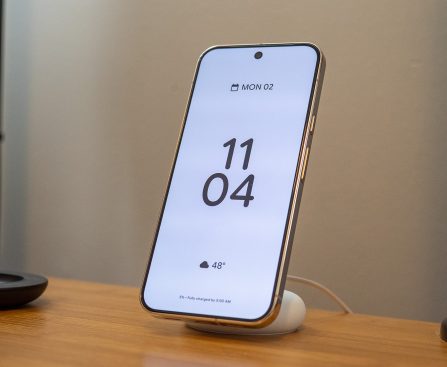
Google Pixel users are encountering a vexing issue after the March software update, which has allegedly caused the always-on display (AOD) to become unresponsive. This matter has been extensively discussed on the Google Pixel subreddit, where users have voiced their frustration over the recurring freezing problems that compel them to restart their devices numerous times throughout the day.

The problem appears to mainly impact the Pixel 10 series, although some users from earlier generations have also reported comparable issues. The AOD freezing often leads to notifications being shown against a black background lock screen, significantly disrupting the user experience.

This is not the first occasion Pixel users have faced display-related troubles. The Pixel 10 series has suffered from AOD and screen flickering problems since its introduction. In December, users highlighted a flickering issue during wireless charging and clock refreshes, which was also associated with the AOD feature.

The current predicament has left many users dissatisfied, with some turning to factory resets as a short-term fix. However, there is a general agreement that a solution from Google is essential to address these ongoing display complications.

In addition to the AOD issue, the March update has reportedly made some Pixel devices slower when launching apps. This adds to the expanding list of issues that Pixel users have been encountering, including connectivity problems and application crashes.

As Google strives to tackle these challenges, users are hopeful for enhanced quality control in forthcoming updates to avert such issues from happening again. Meanwhile, a few users have discovered temporary relief by engaging in Google’s beta environment, although this does not guarantee a solution for all.

The persistent display challenges underscore the need for Google to improve its patch testing procedures to ensure a better experience for Pixel users.
Upcoming Android Update Anticipated to Undo Disputed Google Choices

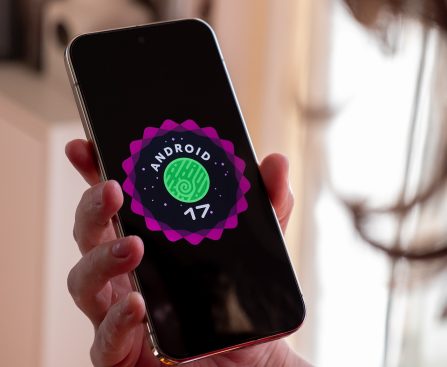
The newest Android Canary build has unveiled a range of exciting features that indicate notable enhancements in the usability and interface of the operating system. One of the most striking modifications is the possible reinstatement of distinct Wi-Fi and mobile data toggles. This change would enable users to control their internet connections with greater ease, returning to a straightforward one-step method that existed until Android 11, prior to the toggles being consolidated into a single Internet toggle.

Moreover, the Canary build hints at the addition of app bubbles, a feature that would allow users to launch apps in floating windows. This capability, akin to picture-in-picture mode, offers more flexible access to apps and could improve multitasking functionalities. Users can trigger app bubbles by long-pressing an app icon and opting for the bubble choice, which can then be repositioned on the screen or removed as necessary.

Another noteworthy improvement is the native App Lock function, permitting users to protect their apps with a PIN, pattern, password, or fingerprint. This capability would remove the reliance on third-party solutions, delivering a more cohesive and secure method to safeguard sensitive applications.

The build also features various UI adjustments, such as enhanced blur effects across the system, a revamped long press menu for app icons, and revised layouts for screen recording and permission dialogs. These modifications aim to boost the aesthetic appeal and efficiency of the Android interface.

It is crucial to remember that these features are presently in the testing stage and can be accessed via the Canary build, which necessitates manual installation using the Android Flash Tool. Users keen on trying out these updates should recognize that installing Canary builds might lead to data loss on their devices.

Carl Pei from Nothing Foresees the Conclusion of the App Era and What Lies Ahead

**Pei Predicts the Decline of Apps, with AI Agents Set to Dominate Your Phone**

In a striking forecast, Carl Pei, the CEO of Nothing, proposes that the phase of smartphone applications is approaching its conclusion. He foresees a future where AI agents supplant apps, revolutionizing our device interactions. During SXSW 2026, Pei contended that the existing app-oriented framework is disorganized and dispersed, indicating that a transformation is necessary.

Pei’s outlook includes AI agents managing activities such as ride bookings, shopping, and messaging. Rather than sifting through various applications, users would merely articulate their needs, while AI would take care of the remaining tasks. This transition from an app-focused to an intent-focused computing paradigm could enhance user interactions and truly elevate smartphones’ capabilities.

Although this change won’t occur instantly, Pei is dedicated to thoroughly embedding AI into Nothing’s products. Such a transformation could result in groundbreaking interfaces and more intelligent automation. Nonetheless, it also prompts worries regarding data privacy and control, as users would have to place their trust in AI for their choices and personal data.

The possible advantages of this transition encompass greater ease of use and minimized clutter, yet it also brings forth difficulties concerning transparency and user authority. As AI agents prove to be more dependable, they might present an appealing substitute for conventional applications, transforming the smartphone environment.