iPhone Air Exceeds Plus Model in Appeal, Report Suggests

**iPhone Air: A Triumph in a Competitive Landscape**

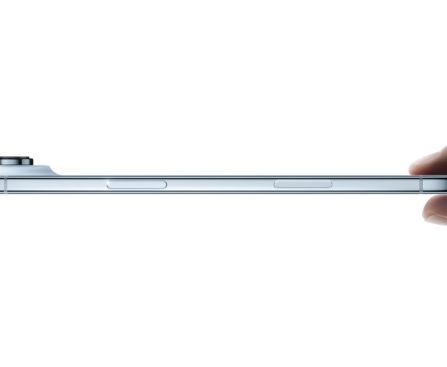
Based on cellular network statistics from Ookla, the iPhone Air has positioned itself as a major contender in the smartphone arena, exhibiting nearly double the popularity of the iPhone 16 Plus during the release period of the iPhone 17. Although it ranks as the least favored model in the iPhone 17 series, the Air’s sales figures have exceeded those of its predecessor, the Plus variant.

The data provided by Ookla stems from crowdsourced cellular network evaluations, particularly through the Speedtest application utilized on iPhones. The comparison of sales figures for the iPhone Air and iPhone Plus relies on the quantity of Speedtest samples collected for each device. In the launch window of the iPhone 16 in late 2024, the iPhone 16 Plus made up less than 3% of usage, significantly falling behind the base iPhone 16 at 5.9% and the Pro and Pro Max versions, which claimed 34% and 56% respectively.

During the corresponding period of 2026, the shares of the base iPhone 17 and Pro Max remained consistent compared to their iPhone 16 equivalents. In contrast, the iPhone Air experienced a significant upsurge, reaching 6.8% of usage—nearly threefold that of the Plus model. This increase seems to be at the cost of the 17 Pro, which saw its share drop from 34.9% to 30.6%.

The iPhone Air’s performance positions it near the base iPhone 17, although it is probable that early adopters and tech enthusiasts constitute a substantial segment of Air purchasers, possibly expanding the divide between the Air and the base model over time.

The iPhone Air’s achievements are noteworthy, especially in light of Apple’s earlier efforts to establish a distinct fourth model with the Mini and Plus, which ultimately did not meet expectations. The Air appears to have effectively established a niche in the market.

Regionally, demand for the iPhone Air exhibits considerable variance. While the percentages noted pertain specifically to the U.S. market, the Air has secured higher shares in other nations, such as 11.2% in South Korea, and has also gained traction in Japan, Sweden, and Singapore.

In a competitive market, the iPhone Air has surpassed the Samsung Galaxy S25 Edge, recording over three times the usage samples domestically.

From a technological standpoint, the iPhone Air is equipped with Apple’s C1X modem, representing a significant upgrade over the original C1. The Air’s download rates on 5G are comparable to those attained by Qualcomm modems in the iPhone 17 Pro models, while still falling slightly short in upload speeds. For additional details, further charts and data can be accessed on Ookla’s blog.

In summary, the iPhone Air’s achievements in sales and technology underscore its success as a model that resonates with consumers, signaling a positive progression for Apple in the competitive smartphone market.

Indicators Point to John Ternus as a Possible Successor for Apple CEO

### The Future of Apple: Potential Successor to Tim Cook

Although Tim Cook, Apple’s present CEO, is not anticipated to retire in the near future, discussions about his successor have grown more intense. John Ternus, the head of Apple’s hardware division, has surfaced as the primary contender to succeed Cook when he eventually steps down.

#### Mixed Signals on Tim Cook’s Retirement

In the past year, there have been varying signals concerning the timeline for Cook’s retirement. Initially, reports indicated that there were no immediate intentions for a change in leadership, suggesting that Cook could hold onto his position for an extended period. However, as Cook neared his 65th birthday, speculation surrounding his successor intensified. By November, Ternus was recognized as the leading choice, though contrasting reports appeared regarding the timing of a possible leadership shift.

Recently, Cook indicated a desire to remain in his role for the foreseeable future, although he did not dismiss the option of moving into a chairman position.

#### John Ternus: The Likely Successor

A recent profile from Bloomberg underscores Ternus as the preferred successor, referencing both internal and external indications of his growing stature within the organization. Ternus notably represented the launch of the MacBook Neo, a significant new offering for Apple, marking a change in the company’s public representation.

Internally, Ternus’s influence has notably increased. He has assumed responsibility for various sectors, such as hardware engineering, product design, and product testing. His management approach reportedly mirrors Cook’s, emphasizing risk management and strategic decision-making.

Ternus has also played a role in groundbreaking projects, including a confidential team developing advanced robotics for FaceTime calls. His involvement in product marketing and environmental sustainability efforts further highlights his significance within Apple.

#### Conclusion

While Tim Cook’s retirement may not be on the horizon, the foundation for a leadership transition seems to be in place, with John Ternus set as a robust candidate for succession. As Apple continues to advance and broaden its product range, the course established by Ternus will be vital in determining the company’s future.

Air Defence Startup Egide Secures €8M Seed Funding to Address Europe’s Aerial Security Gap

A new entrant into the crowded but urgent European air defence startup space has closed its first significant round, as capital chases the continent’s most pressing military capability shortfall. The phrase ‘air defence gap’ has become one of the defining anxieties of European security policy in the years since Russia’s full-scale invasion of Ukraine. The […]

This story continues at The Next Web