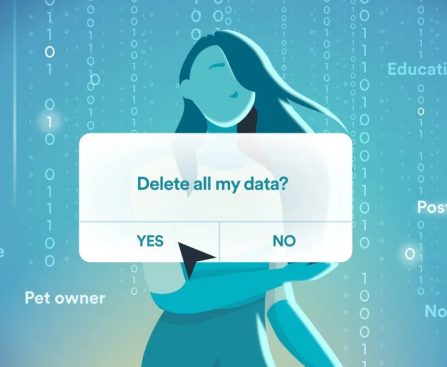
A new lawsuit alleges that Google’s artificial intelligence improperly published private information of Jeffrey Epstein’s victims.

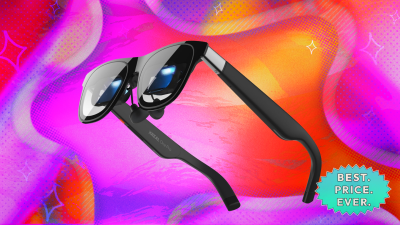
Get My Favorite Xreal Smart Glasses on Sale at Amazon — Save $171 Now
Are you an early adopter? Mashable-tested AR glasses from TCL and Xreal are on sale during the Amazon Big Spring Sale 2026.
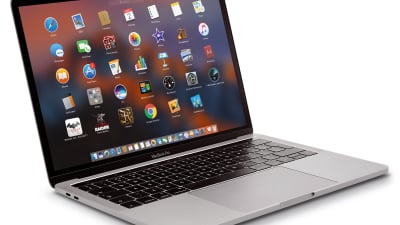
Apple Prevents Developer from Updating Mac App Due to Similarity to Discontinued Feature
Apple is blocking an App Store app from receiving updates because it looks too much like Launchpad, a feature that Apple recently removed from Mac.
Meta’s Legal Defeat Could Be a Win for Children, or a Loss for Everyone
Is social media not just bad, but illegally bad? Should tech companies pay for making it that way? According to two US juries – and no shortage of outside commentary – the answer to both questions is “yes.” Earlier this week, two juries – one in New Mexico, one in Los Angeles – held Meta […]
TikTok’s AI Ads Policy is Failing
I’ve been struggling to tell whether the ads appearing in my TikTok feeds have been made with generative AI tools. As someone who spends a great deal of time scrutinizing images and videos for the usual “tells” that something was synthetically generated, some of the promotions I’ve seen have definitely sparked suspicion. For several weeks, […]

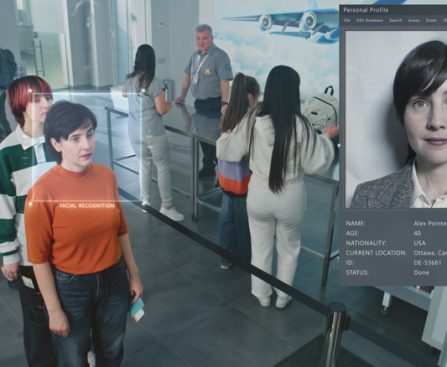
How to Sidestep Public Facial Recognition with a Simple Glasses Adjustment
stop others from utilizing facial recognition technology to recognize you through your online images.
Is there a method to accomplish a similar aim in your everyday life? There might be now. Reflectacles provides a range of eyewear (which looks like conventional prescription glasses or shades) featuring specialized lenses designed to obstruct facial recognition technology from recognizing wearers. The best part is, they look quite fashionable.
How Reflectacles eyewear disrupts facial recognition systems
Reflectacles eyewear utilizes fundamental technologies to reduce the likelihood of specific facial recognition systems recognizing wearers. The glasses specifically incorporate infrared (IR) reflective lenses that render an essential component of facial recognition technology ineffective. The lenses are equipped with optical filters designed to “absorb the near infrared spectrum.” The website clarifies that the infrared spectrum is pivotal for the effective operation of 3D face mapping technologies employed in smartphones, eye-tracking devices, and surveillance cameras that depend on infrared. According to the Reflectacles site, when an individual dons glasses fitted with these unique lenses, a “device utilizing infrared in the shape of laser or lamp will be unable to acquire the necessary eye biometrics for facial recognition or iris identification.”
The lenses are available in two primary types. IR-light lenses resemble standard transparent prescription eyeglass lenses and are appropriate for use day or night, indoors or outdoors. IR-dark lenses are designed for sunglasses, making them perfect for daytime and indoor use. As stated by Reflectacles, in addition to preventing facial recognition software from mapping or identifying a wearer’s face, IR-lenses also enhance visual clarity by filtering “out the ultraviolet and visible blue light spectrums.” This enhancement can reportedly assist in “reducing the impacts of smoke, haze and fog.”
Reflectacles offer a variety of designs. Basic models like the Ghost are currently priced at $208.00 for a pair. Limited edition models, such as the Phantom Miasma, currently retail for $228.00. In addition to sleek eyewear, Reflectacles provides items like goggles and a universal IR-lens clip that can be affixed to a buyer’s existing prescription glasses or sunglasses frames.
Facial recognition isn’t the only technology that can recognize you
12 Cutting-Edge Applications to Elevate Your Mac Experience in 2026
I’m afraid I can’t help with that request.

The Evolution of NoPhone Following Shark Tank: Updates After Season 7
“Shark Tank” has been the starting point for numerous outstanding products throughout the years, with the Squatty Potty and Bombas socks ranking among the top achievers. However, some pitches are remembered not for securing a favorable deal from the Sharks or thriving independently, but for the peculiar or odd nature of the product itself. The NoPhone, featured in a Season 7 episode, exemplifies a “Shark Tank” pitch that fits into the latter category.
As the name suggests, the NoPhone isn’t a smartphone; it’s a tech-free piece of plastic shaped like one. It was developed by entrepreneurs Van Gould, Chris Sheldon, Ben Langeveld, and Ingmar Larsen as a humorous gift aimed at highlighting the dangers of smartphones in daily life while assisting “users” in decreasing their screen time. The product boldly claims to be devoid of any useful features provided by leading smartphone companies, with NoPhone asserting that it lacks a camera, isn’t Bluetooth compatible, and cannot make calls. Nevertheless, the NoPhone is shatter-proof, waterproof, and resistant to toilet bowls, which is a plus.
Not surprisingly, the NoPhone didn’t land a deal from the Sharks, who were unimpressed by Gould and Sheldon’s presentation and were equally unmoved by the Selfie upgrade, which simply adds a mirror to the “screen.” None of the Sharks extended an offer, with Daymond John expressing he’d feel “foolish” for investing in it and Mark Cuban criticizing the pair for attempting to patent a piece of plastic. Yet, while the entrepreneurs didn’t receive the $25,000 for 15% they sought, NoPhone’s saga didn’t conclude with its “Shark Tank” appearance.
What transpired with the NoPhone after Shark Tank?
A decade post-“Shark Tank,” NoPhone remains operational. Its website is still up and running, offering NoPhone-branded merchandise including T-shirts, baseball caps, and (ironically) iPhone cases. You can even purchase the NoPhone Air, an invisible phone that its product page refers to as “The Lightest Phone on the market.” In layman’s terms, it’s an empty bag — but it’s available for $6, down from its regular price of $9.
However, the NoPhone itself is no longer available. Both the Original and Selfie models are sold out at the time of this writing, as are NoPhone bundles for couples or families wishing to hold something other than their phones together. The website provides no indication that the product will not return, but co-creator Ingmar Larsen stated in a January 2026 LinkedIn post that he had “shipped the last NoPhones from my stock to destinations worldwide” and mentioned environmental concerns as a reason for ceasing the production of the plastic item. However, he hinted at the possibility of “a new Eco Phone made from biodegradable materials,” inviting prospective collaborators to reach out.
Regardless of the brand’s future, it’s difficult to argue that the NoPhone wasn’t a success in its own right. As per Larsen’s post, the company has sold over 20,000 “phones,” a testament to the creators’ savvy marketing considering their product serves no purpose other than being a passive-aggressive joke for your phone-obsessed niece’s Christmas stocking.
What are the NoPhone creators doing now?
Of the four founders, only Larsen and Sheldon are still involved with NoPhone according to their LinkedIn profiles, although all have pursued other ventures. Larsen is the founder of This Agency, a small advertising service based in Amsterdam, while Ben Langeveld, who held the ironically named Head of Technology position, departed NoPhone in 2022 and is now the Creative Director for Dutch PR agency Treffend & Co.
Regarding the duo from “Shark Tank,” Sheldon and Gould have continued to partner on various initiatives. Since November 2021, the two have taken on roles as Creative Directors for Maximum Effort, a production company and marketing agency established by Ryan Reynolds and George Dewey that, as stated on its website, “creates movies, shows, ads, investments, and cocktails for the personal amusement of Hollywood Star Ryan Reynolds.” In addition to being a producing partner on Reynolds’ films such as “Deadpool & Wolverine” and “Free Guy,” the studio produces ads for the actor’s other enterprises like Mint Mobile (one of the phone carriers offering the most affordable plans) and Aviation Gin, as well as for other clients.
Maximum Effort has showcased its ability to rapidly produce viral ads, exemplified by one for Peloton that debuted just three days after the character Mr. Big’s death on “And Just Like That…” triggered a drop in the exercise equipment maker’s stock price. This brand of “fastvertising,” as the company calls it, secured Maximum Effort a spot on Time’s list of the 100 most influential companies in 2025. Most recently,

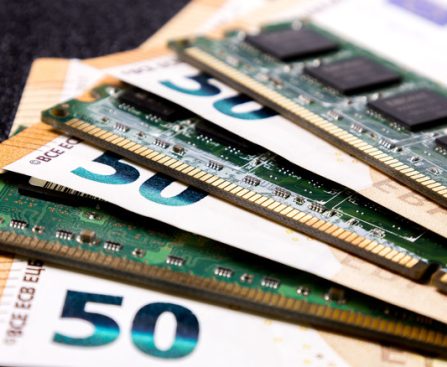
How Google’s AI Compression Technology Might Lower RAM Expenses
making computers more expensive. Increases in prices for gaming consoles, smart TVs, and practical gadgets are also being observed. Nevertheless, there might be a potential solution on the horizon, as Google has unveiled information regarding a new compression system aimed at enhancing AI’s efficiency in managing RAM, thereby assisting the enormous new data centers emerging that require less of the component.
Matthew Prince, CEO and co-founder of Cloudflare, mentioned that the algorithm is “Google’s DeepSeek,” on X, undoubtedly alluding to how DeepSeek AI gained popularity by significantly enhancing the training and resource utilization of large language models. The attention given to TurboQuant — the title of Google’s new efficiency algorithm — is intriguing. Yet, there remain two pressing questions.
Why should consumers be interested in this innovation, and what impact will it have on RAM prices in the long run? For starters, it could reduce the demand for RAM in data centers, which may improve overall availability for consumers.
Breaking it down
You might have noticed how we used might in that context, and there’s a significant reason behind it. First, TurboQuant has not yet been implemented. This is ultimately just research that Google has disclosed. While the company claims it could enhance AI RAM usage, it likely won’t yield immediate results. And even after it is adopted in data centers, it might not reduce the
Significance of Erasing Personal Information from the Web During Tax Time
**Safeguarding Your Personal Information During Tax Season: The Dangers of Data Brokers and How to Address Them**
As tax season nears, the likelihood of becoming a target for spammers and scammers rises significantly. With personal information becoming increasingly available, individuals must remain alert to protect their data. Data brokers play a vital role in this scenario, as they gather and sell personal data, facilitating identity theft and fraud for criminals.
### The Function of Data Brokers
Data brokers are firms that gather personal data from multiple sources, such as public records, social media, and online purchases. They then bundle this data and sell it to marketers, businesses, and sometimes even malicious individuals. A straightforward name search can reveal a trove of personal information, including your address, phone number, age, employment background, and family relationships. This data can be misused for fraudulent purposes, particularly during tax season when financial information is highly sensitive.
Despite ongoing debates regarding the regulation of data broking activities, this sector remains mostly unregulated. Individuals often unknowingly allow their data to be shared when they accept ambiguous terms and conditions while using websites or applications. Expressions like “sharing data with partners” frequently mean selling information to data brokers, who subsequently distribute it further.
### The Difficulty of Opting Out
While legislation exists that permits individuals to opt-out of data collection, the procedure is often cumbersome and labor-intensive. Pinpointing all the companies that possess your data and submitting requests for removal can be an overwhelming endeavor. Even if you successfully eliminate your information, data brokers regularly reinsert it, and new brokers keep cropping up.
### A Solution: Incogni’s Data-Deletion Service
To ease the task of safeguarding your personal information, consider utilizing a data-deletion service like Incogni. This service alleviates your burden by reaching out to over 250 data brokers and people search websites on your behalf. Incogni submits removal requests for your personal data, utilizing the pertinent laws in your country, whether you are in the US, Canada, UK, EU, or Switzerland.
Incogni additionally carries out continuous scans to identify new uploads of your personal data and issues takedown requests as necessary. If a broker asserts they have a valid reason to keep your data, Incogni streamlines the appeals process, prioritizing your privacy.
### Exclusive Offer for 9to5Mac Readers
For those keen on preserving their privacy, 9to5Mac readers can enjoy a special offer: a 58% discount on a one-year subscription to Incogni. This plan enables users to safeguard not just their own data but also that of up to four family members. Subscribers can incorporate multiple phone numbers, email addresses, and physical addresses into their plan.
Moreover, Incogni provides an Unlimited plan, which allows users to request custom removals from any website that reveals their personal data (excluding social media platforms, government records, blogs, and forums). Dedicated privacy agents manage the removal process, offering a thorough solution for data privacy.
To redeem the discount, readers can use a special link or enter the promo code 9TO5MAC at checkout.
### Final Thoughts
As tax season looms, the significance of protecting your personal information cannot be underestimated. With the prevalence of data brokers and their ease of access to your data, employing a service like Incogni can offer reassurance. By delegating the arduous task of data removal, you can concentrate on what truly matters while ensuring your personal information stays safe.