Samsung Raises Cost of Galaxy Z Fold 7

Samsung Raises Prices for Galaxy Z Fold 7 Models

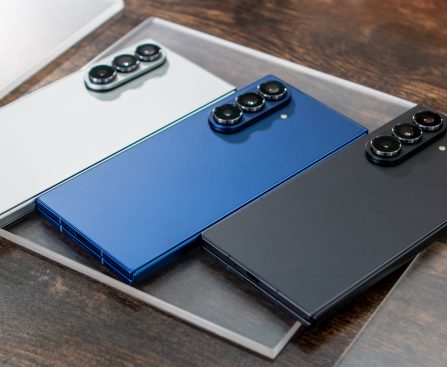
Samsung has subtly raised the prices of its higher-storage Galaxy Z Fold 7 models in the U.S. The 512GB and 1TB versions are now $80 pricier, while the entry-level 256GB model’s price remains stable. This increase reflects the climbing component and memory expenses that manufacturers are increasingly passing down to consumers.

The Galaxy Z Fold 7, celebrated for its pioneering foldable design, was originally introduced with the 256GB model priced at $2,000, the 512GB at $2,119, and the 1TB at $2,419. Following the latest hike, the 512GB model now retails for $2,200, and the 1TB model now costs $2,500. While an $80 hike might appear minimal in the realm of these premium devices, it indicates a transformation in Samsung’s pricing approach.

Samsung has not publicly addressed the price hike, but it corresponds with market trends where escalating production costs are being shifted to consumers. This modification could potentially establish a standard for future price changes across Samsung’s product range.

As the smartphone sector continues to shift, consumers may need to prepare for additional price changes as brands contend with the challenges of rising production costs.
Android Users Disclose Choice Between Gesture Control and 3-Button Navigation

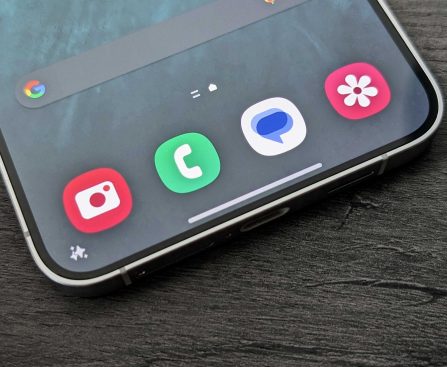
When configuring a new Android device, you are typically presented with the option to employ gestures or 3-button navigation, a choice you can modify later in the settings. In a recent survey, we inquired whether you lean towards gestures or 3-button navigation on your Android device. Interestingly, it appears that a significant number of you have strong opinions on this, as our survey attracted over 19,000 responses.

From the feedback, it’s evident that Android users predominantly prefer the 3-button navigation, capturing 81% of the votes. As someone who was previously doubtful about gestures but has now fully adopted them, I found this quite unexpected.

Reasons people prefer 3-button navigation

One reader, James, points out several advantages of using 3-button navigation, particularly regarding accessibility and clarity:

“Button navigation is *discoverable*. Gesture navigation is not. This is still important to individuals who aren’t as familiar with Android. This remains crucial for enhanced accessibility.

Buttons also offer more clarity when it may not be clear whether your device is in portrait or landscape orientation.”

Another reader, Vrijilesh, provides a solid reason for sticking with 3-button navigation, which relates to third-party launchers.

“I do. Because @Xiaomi @XiaomiIndia @XiaomiHyperOSIN @XiaomiHyperOS_ do not support gesture navigation with any launchers other than the stock one. And I can’t live without my Nova Prime!”

A reader on X notes that gestures appear to be primarily an iPhone trait and that Android users lean towards buttons, a sentiment that seems to be backed by our poll:

“The only individuals I’ve seen using gestures on a phone are those with an iPhone. Everyone I know who uses an Android opts for 3-button navigation, including myself. So no, it’s not the preferred choice! Like everything else in life, we’re often pushed towards options whether we desire them or not!”

Mike Szekely on Facebook puts it succinctly: “You’ll have to pry buttons from my cold, dead hands.”

Conversely, Alexander on Facebook defends gestures, asserting that they provide better accessibility than buttons.

“Gesture navigation offers significantly improved control over your device,” Turner remarks. “Any part of the left or right edge of my screen becomes the back button instead of needing to stretch my thumb from its current position to reach the back button.”

Sean also concurs, stating that they favor gesture navigation even though they were initially skeptical.

“Gesture. I didn’t think I’d enjoy it at first, but after a day or two with the Pixel 5, I was hooked. Now, button navigation seems entirely backward to me.”

That said, it seems the majority have made their choice: 3-button is the favored approach over gestures. While both have their merits, buttons are the more recognizable method that users feel comfortable with. Thankfully, unlike iPhone users, Android users retain the option to choose how they navigate their devices.

“Envisioning the iPhone Fold, HomeKit Adjustable Temperature Functions, and MacBook Neo Supply Deficiencies”

# Examining the iPhone Fold and Apple’s Backorder Challenges

In recent conversations, Benjamin and Chance have explored the developing form factor of the iPhone Fold, with prototype units starting to surface. This inquiry arises during a period when Apple’s Mac lineup is encountering considerable backorder issues, prompting a look into the root causes.

## iPhone Fold: A Revolutionary Shift in Design

The iPhone Fold signifies a possible transformation in Apple’s smartphone design approach. As prototype units circulate, analysts are eager to evaluate how this foldable device will fit into the current iPhone ecosystem. The excitement surrounding the iPhone Fold revolves not only around its cutting-edge design but also its competitiveness in a marketplace increasingly influenced by foldable technology.

## Apple’s Mac Order Delays

At the same time, numerous Apple Mac products are facing substantial order delays. This scenario brings forward questions regarding supply chain difficulties, manufacturing capacity, and the influence of global occurrences on production. The mixture of high demand for Apple’s offerings and possible supply chain disruptions might be factoring into these delays, resulting in consumers waiting longer than they anticipated for their devices.

## NASA Sends the iPhone to Space

In an exhilarating turn of events, NASA has taken the iPhone into space, demonstrating the device’s capabilities beyond our planet. This initiative showcases the adaptability of the iPhone and its potential uses in extreme environments, further reinforcing Apple’s status as a front-runner in mobile technology.

## Aqara Introduces New HomeKit Thermostat

In the field of smart home technology, Aqara has unveiled the first thermostat that is compatible with HomeKit’s new Adaptive Temperature feature. This innovation enables more effective temperature regulation in households, integrating flawlessly with Apple’s ecosystem and enhancing the user experience.

## MLB App Frustrations

On a lighter note, Chance has shared his dissatisfaction with the MLB app, highlighting the hurdles users encounter with sports applications. This view resonates with many users who are in search of dependable and user-centric experiences in sports streaming.

## Conclusion

As Benjamin and Chance continue to delve into these subjects, listeners can anticipate thought-provoking discussions and analyses. For those looking for more comprehensive content, subscribing to the 9to5Mac Happy Hour Plus provides access to ad-free episodes, exclusive content, and more.

For comments and inquiries, listeners are welcome to connect via social media or email. Stay tuned for more updates on the latest in Apple technology and beyond.