Give your PC a fresh set of tools with this Microsoft Office Professional 2021 for Windows lifetime license.

As a Journalist, The Devil Wears Prada 2 Made Me Sweat
“The Devil Wears Prada 2” examines journalism and editorial integrity while making Big Bads out of corporate tech bros who value profit over authenticity.

“The Devil Wears Prada 2” Cameos: Lady Gaga, Donatella Versace, and More
Which fashion designers and celebrities turn up in “The Devil Wears Prada 2”? Here’s everyone we could write down.

Lady Gaga’s Cameo in The Devil Wears Prada 2 is a Treat for Little Monsters
You know Lady Gaga appears in “The Devil Wears Prada 2,” but you don’t know just how perfect it is.

I’m watching the Miami GP for free this weekend — How to live stream F1 for free
How to watch F1 for free. Live stream the Miami GP from the 2026 F1 season for free from anywhere in the world.

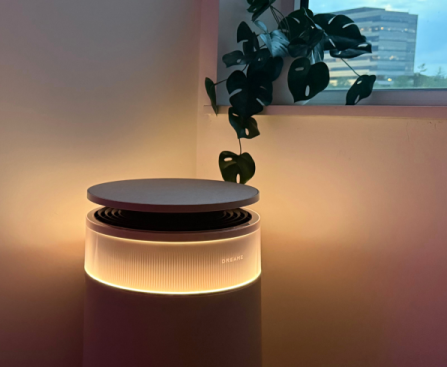
The Dreame FP10 Air Purifier: Efficient Fur Cleaning and Stylish Living Room Match
The Dreame FP10 isn’t your average large room air purifier. Its built-in roller pulls fur off the filter so you don’t have to.
May 1, 2026 NYT Mini Crossword Answers and Hints
Answers to each clue for the May 1, 2026 edition of NYT’s The Mini crossword puzzle.

ESP-FLY: Compact ESP32-S3 Powered DIY Micro Drone Kit
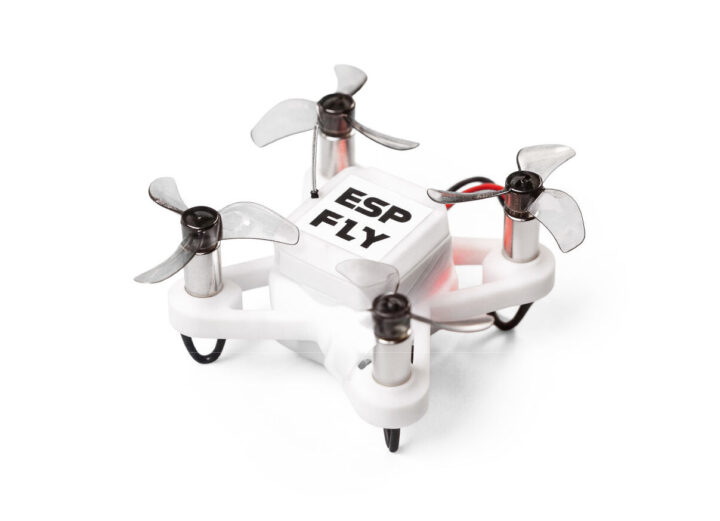
ESP-FLY DIY kit is a miniature DIY drone kit based on Seeed Studio’s XIAO ESP32-S3 board that was initially introduced as a DIY project on Instructables by Max Imagination, but is now available as a complete kit for $59.99 on Seeed Studio. It’s certainly not the first ESP32 drone, but the ESP-FLY drone must be the smallest, as the miniature (67 x 67 x 31mm) quadcopter design allows users to store into any pocket or small boxes. It’s mainly designed for STEM education, hobbyist DIY Projects, and indoor flight practice. ESP-FLY drone kit key features and specifications: Main Controller – Seeed Studio XIAO ESP32-S3 board Wireless MCU â Espressif Systems ESP32-S3R8 CPU – Dual-core Tensilica LX7 microcontroller @ 240 MHz System Memory – 512KB SRAM, 8MB PSRAM Wireless – Wi-Fi 4 & Bluetooth 5.0 dual-mode (Classic + BLE) connectivity Storage â 8MB SPI flash Antenna â External u.FL antenna USB […]
The post ESP-FLY DIY Kit is a tiny ESP32-S3-based DIY micro drone kit appeared first on CNX Software – Embedded Systems News.
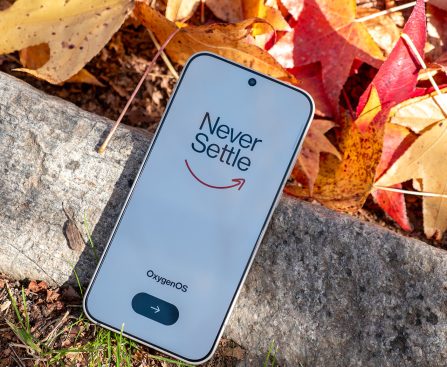
Key Reports Suggest OnePlus and Realme Consolidation Amid Instabilities
If the communication we received is any indication, we ought to remain cautious for the time being. Recent information indicates that OnePlus has joined forces with Realme, which is an OPPO sub-brand. A sub-division and business unit has been created, with teams reporting to OnePlus CEO Pete Lau. Nevertheless, the statement from OnePlus North America offers minimal clarity, mentioning they are assessing their regional plans and product strategy. This absence of solid information places us in a position of ambiguity. Although OnePlus has refuted rumors of a global shutdown, recent shifts in leadership and possible market departures, such as from Europe, contribute to the speculation. Until more conclusive information is announced, it’s prudent to stay wary regarding the future of OnePlus and its prospective merger with Realme.
NYT Connections: Sports Edition – Hints and Answers for May 1, 2026
Connections: Sports Edition is a New York Times word game about finding common sports threads between words. How to solve the day’s puzzle.