Samsung Galaxy S26: A Dependable Smartphone Awaiting a Camera Upgrade

The Samsung Galaxy S26, evaluated by Android Central, showcases a mixture of advantages and disadvantages. With a score of 3 out of 5 stars, the device is acknowledged for its speed and efficiency, thanks to the Snapdragon 8 Elite Gen 5 processor. It features a larger 6.3-inch OLED screen, which is on par with the display sizes of rivals such as the Pixel and iPhone. However, the phone lacks improvements in camera technology and misses the long-anticipated Qi2 magnetic charging feature.

The pricing of the Galaxy S26 is elevated in comparison to its earlier models and does not include certain features available in the Plus or Ultra variants, rendering it a less attractive choice for some buyers. In spite of these shortcomings, the device provides a greater battery capacity of 4,300mAh and operates on One UI 8.5, known for its seamless functionality and the incorporation of Galaxy AI and Google AI capabilities.

Benefits of the Galaxy S26 encompass its larger display, enhanced battery, and rapid chipset. Conversely, the increase in screen size compromises the compactness of previous iterations, and the phone is devoid of built-in Qi2 magnets, maintains the identical camera system as the Galaxy S22 line, and supports only 25W wired and 15W wireless charging. Furthermore, it lacks features such as mmWave 5G, UWB, and Bluetooth 6.

In summary, the Samsung Galaxy S26 is a competent device but may not warrant its price for users in pursuit of cutting-edge features and advancements.

Apple Eliminates Jack Dorsey’s Messaging Application from Chinese App Store

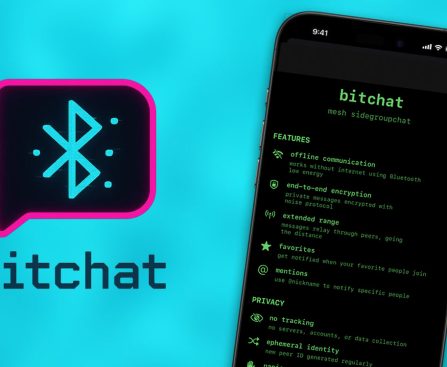
Apple has taken down Bitchat from the Chinese App Store after receiving a demand from the Cyberspace Administration of China (CAC). This action underscores the persistent strains between tech firms and regulatory agencies in nations with stringent internet control.

Bitchat, created by Twitter co-founder Jack Dorsey, is a messaging application that facilitates anonymous, peer-to-peer communication via Bluetooth-based mesh networking. This method allows users to transmit messages without depending on conventional internet-connected servers, making it especially attractive in areas facing internet blackouts or social media limitations. The app gained popularity in countries such as Uganda, Iran, and Nepal, where it was utilized during demonstrations and government crackdowns on major platforms.

The CAC’s demand for Bitchat’s removal stemmed from claims that the app breached particular stipulations concerning the security assessment of internet-based information services that could sway public opinion or mobilize users. These regulations mandate such apps to undergo a security evaluation prior to their launch or updates in China.

Currently, Dorsey has not disclosed any information regarding potential steps Bitchat might take to re-enter the Chinese App Store. The withdrawal of Bitchat highlights the difficulties encountered by apps that focus on privacy and decentralized communication in highly regulated markets.

Netflix Introduces Playground, a Dedicated Games App for Kids Eight and Under

In short: Netflix has launched Netflix Playground, a dedicated standalone gaming app for children aged eight and under, bundled into existing memberships with no ads or in-app purchases and full offline support, positioning it squarely against Apple Arcade in the family market. Netflix has quietly extended its gaming ambitions into the family market with the launch […]

This story continues at The Next Web

Artemis II Astronauts Set Record, Name Crater

A few minutes before 2PM ET on Monday, the crew of Artemis II broke a record set 56 years ago by the ill-fated Apollo 13 mission – at over 248,655 miles, they have now traveled farther from Earth than any humans before them. They marked the occasion with a crater naming ceremony that left the […]

Iran Threatens to Destroy OpenAI’s $30bn Stargate Data Centre in Abu Dhabi

In short: Iran’s Islamic Revolutionary Guard Corps has released a video threatening “complete and utter annihilation” of OpenAI’s $30bn Stargate AI campus in Abu Dhabi, singling out the facility by name for the first time and warning it will strike if the US proceeds with threatened attacks on Iranian civilian infrastructure. A senior officer in Iran’s […]

This story continues at The Next Web

Google’s Free Offline Dictation App Makes Paying $15 a Month for Wispr Flow Hard to Justify

In short: Google has quietly released an iOS app called Google AI Edge Eloquent, a free, offline-first voice dictation tool that transcribes speech in real time, strips filler words automatically, and transforms raw dictation into polished text without requiring an internet connection. The app runs on Gemma-based on-device ASR models, offers an optional cloud mode using […]

This story continues at The Next Web

App Store Sees 84% Rise in New Applications Fueled by Demand for AI Coding Instruments

**In the Wake of App Submission Boom, Apple Harnesses AI for App Store Review Expansion**

With the new opportunities provided by AI coding tools, the App Store is experiencing a notable increase in new app submissions, even as Apple maintains its concerns about the development and conduct of some of these applications. A report by *The Information* indicates that new app submissions to the App Store surged by 30%, reaching almost 600,000 over the past year, reversing a previous decline of 46% observed from 2016 to 2024. This rise is primarily linked to the emergence of AI coding tools such as Anthropic’s Claude Code and OpenAI’s Codex.

These AI coding tools have democratized the app development landscape, allowing non-developers to create operational applications through straightforward prompts, while empowering seasoned developers to produce code at an unprecedented speed. Abraham Yousef, a senior insights analyst at Sensor Tower, highlighted that the significant rise in new apps corresponds with the increasing availability of these innovative coding tools, which have streamlined the app creation process.

Apple recognized this influx of new submissions as evidence of the App Store’s ongoing relevance. Nonetheless, the company has adopted a stringent policy against certain iOS-based vibe coding applications, asserting that some infringe upon App Review Guidelines and the Developer Program License. Recently, Apple has removed or restricted updates to apps like Anything and Replit, compelling developers to modify how their tools create and execute code. The primary issue is that some of these applications can generate interpreted code that alters their core functionality, which Apple disallows.

The surge in new apps may be putting pressure on Apple’s App Review teams, resulting in complaints from developers regarding prolonged review times. Elon Musk recently expressed his dissatisfaction on social media, saying, “iOS App Review delays are becoming absurd.” However, an Apple spokesperson countered the claims of longer review times, stating that 90% of submissions are handled within 48 hours. In the past 12 weeks, the review team has successfully processed over 200,000 app submissions weekly, with an average review duration of just 1.5 days. The spokesperson further noted that while each app submission is evaluated by a human, AI tools are being increasingly employed to aid in the review process.

As enthusiasm for app development increases, particularly among casual developers, vibe coding tools are emerging as valuable assets. While they may not yet facilitate the establishment of fully operational businesses, they do enable individuals to pursue small projects for personal pleasure or to share with others. Apple has recently updated Xcode to support coding models and agents, although these tools tend to cater more to technical users. Conversely, applications like Anything further simplify the coding process, making it accessible to a wider audience.

With the approaching WWDC26 and the continued rise of vibe coding, it remains uncertain whether Apple will adjust its App Store regulations to embrace these new development trends, particularly for apps that utilize AI-generated, interpreted code to enhance user creativity. Ultimately, Apple has consistently positioned the App Store as a venue for innovation and creativity.