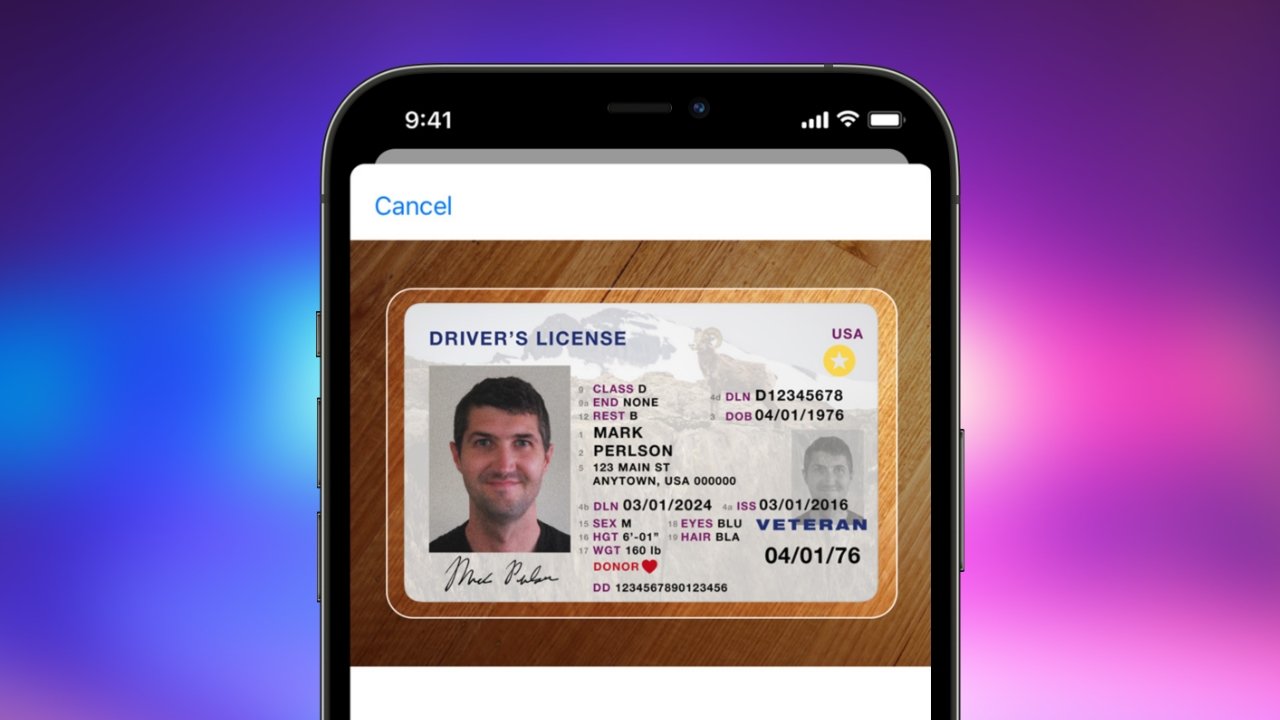
While Apple is actively opposing the imposition of legal responsibility for age verification in relation to app downloads, many of its users would gain from the company adopting this responsibility. Given Apple’s history of finding privacy-conscious methods for handling personal data, there is a compelling argument for the company to enhance its efforts beyond the current proposals.
### The Age Verification Narrative Thus Far
Certain US states and countries enforce minimum age requirements for specific categories of apps. A notable instance is Australia, which prohibits anyone under 16 from using social media applications. Likewise, there are increasing demands for age verification across various US states. Presently, individual developers, rather than Apple and Google, bear the responsibility for confirming the ages of users downloading their apps. However, federal lawmakers are contemplating a shift with the introduction of a new proposed legislation, the App Store Accountability Act. This law would permit users to verify their age once with either Apple or Google, allowing these companies to age-gate apps accordingly, instead of necessitating age verification for each app downloaded.
### I Trust Apple More Than Developers
There are persuasive reasons to support this method. Requiring users to submit government-issued photo IDs and video selfies to multiple developers presents a considerable privacy threat. Many would rather trust Apple to conduct identity and age verification once, subsequently blocking access to apps deemed inappropriate for certain ages. This initiative would also improve user experience since individuals would only need to confirm their age one time rather than each time they install a new age-restricted app.
For example, users might opt to validate their identity with Apple instead of Meta to gain access to Instagram, with Meta only receiving an age verification confirmation. This option highlights a preference for Apple, which is viewed as having a greater dedication to privacy. Even if the law necessitates photo ID, it is anticipated that Apple would manage such data securely, ensuring its immediate destruction post-verification.
### It Isn’t Limited to Apps
Age verification extends beyond apps; it is rapidly becoming a prominent concern for websites. The UK has recently enacted a law mandating adult websites to confirm the age of visitors, but the ambiguous wording raises fears it could inadvertently impact educational sites. Furthermore, there are calls for gambling platforms to incorporate photo ID verification to prevent minors from accessing services through parental credit cards. Detractors contend that the core motive behind these regulations may be an inclination towards enhanced government oversight online.
### Apple Could Seamlessly Be the Answer
Should Apple assume the role of age verifier, the process could be made significantly more efficient. When users authenticate their identity with Apple, the company could link that verification to Safari on their devices. Thus, when accessing a website requiring age confirmation, the site would only receive validation from Apple that the user is of legal age, without any personal data being disclosed.
This framework is already operational with Apple Pay, where retailers do not see identity proof but receive assurance that biometric verification has taken place. Similarly, a “verified adult” marker could be incorporated into the information Apple shares with websites, safeguarding privacy while fulfilling regulatory obligations.
### Would You Care to See This?
While some may contest the necessity for age verification for apps or websites, positing that it should fall under parental duties, the fact remains that such measures are being put in place irrespective of individual viewpoints. The crucial question is not if age verification will take place, but who ought to take responsibility for it.
This conversation encourages users to reflect on their preferences surrounding age verification and which entities they trust to manage such sensitive data.
