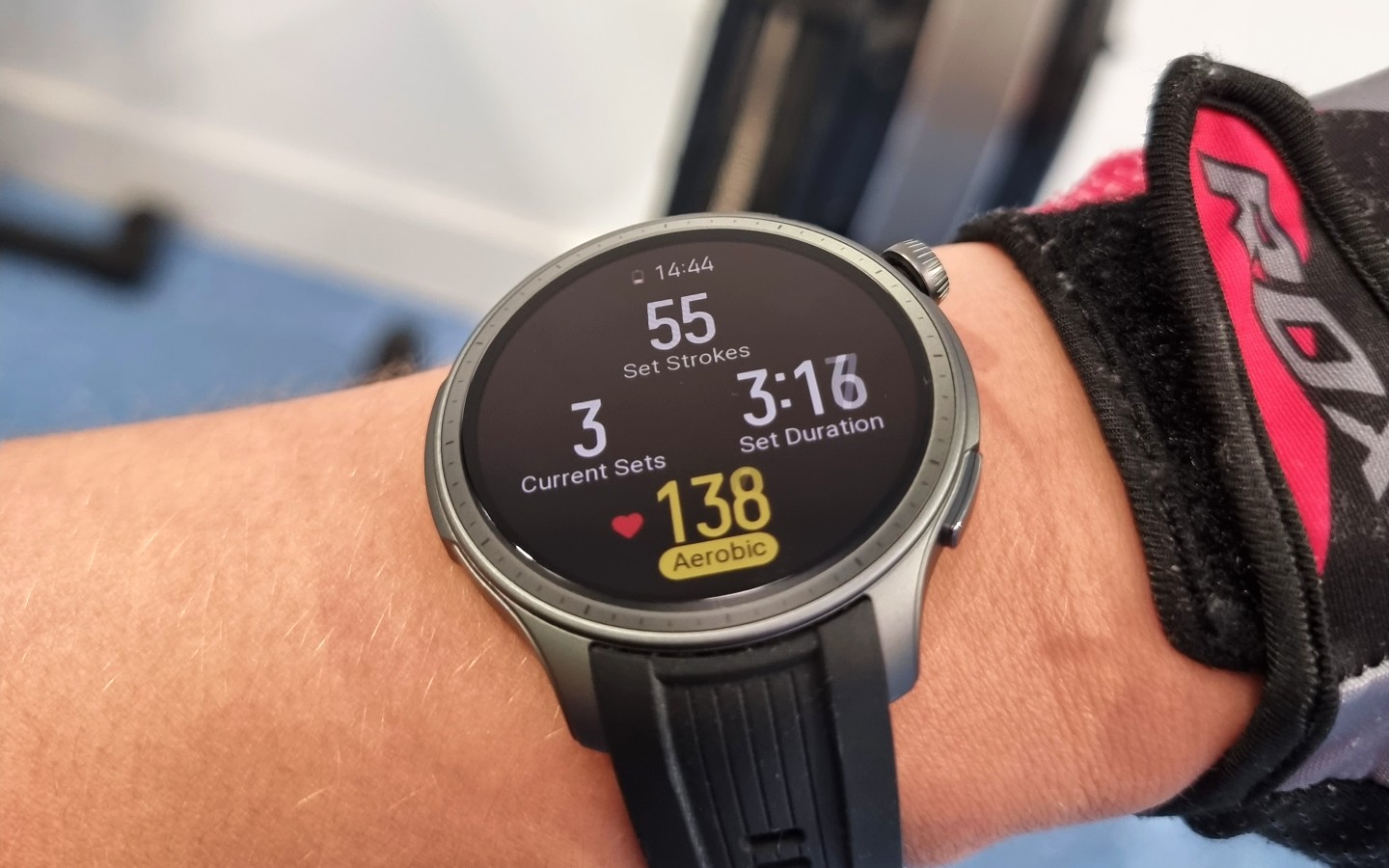
I tracked each step to evaluate how effectively brands like Apple, Garmin, and Samsung perform regarding walking or running step counts — and the findings were quite unexpected.
In 2023, I donned six smartwatches while covering 6,000 steps to determine the most precise brand. Garmin outperformed Apple, Samsung, and others, but two years later, I opted for a more extensive test involving additional brands and newer versions!
Brands may not highlight step-count improvements, yet Google attempted to refine its step-count algorithm and later reverted it due to inflated results. I suspect other fitness brands frequently update their step calculations, too; timepieces that performed poorly two years ago may have enhanced, while top performers might have declined.
To verify if Garmin still reigns as the step-count leader, I charged 10 of my finest fitness watches — one each from Apple, Samsung, Garmin, Google, OnePlus, Amazfit, COROS, Polar, Suunto, and Withings — and strapped them onto my slender running arms for two 5,000-step walking trials and one 5,000-step jogging trial. I logged steps manually as a control group using a counting app.
Since I could only wear five watches at once, that resulted in 30,000 steps in one exhausting day. However, I gathered some intriguing data! Here are the most (and least) dependable fitness watches for achieving your daily 10,000 steps!
Tests 1 & 2: Step count during walking
My Apple Watch Ultra 2 certainly delivered the most consistent and trustworthy results; its “high dynamic range gyroscope” truly reflects its sophisticated title, whereas the older Series 7 I used in 2023 produced more average results.
On the whole, any watch within 100 steps after 10,000 is still regarded as quite effective by my standards, placing the OnePlus Watch 2R, Garmin Forerunner 970, Polar Vantage V3, and COROS APEX 4 in a reliable category.
The COROS APEX 4, though not flawless, significantly outperformed the APEX 2 Pro in my 2023 assessments. The Garmin Forerunner 970, however, actually showed superior performance in my initial hands-on evaluations, varying by just one step after 10,000. That could have been a coincidence, or perhaps my initial test today was; it excelled notably in the second test. Additionally, Polar met my expectations admirably.
I am baffled as to why the Suunto Race 2 performed so exceptionally poorly; it showed perfect accuracy in the run test, as you will observe, but neglected thousands of walking steps, regardless of whether it was positioned on my wrist or further up my arm.
The Galaxy Watch 8 Classic results were more off than I anticipated from a leading brand, but Samsung has historically not performed well in prior step evaluations, either.
In contrast, the Pixel Watch 4 outperformed my Fitbit Sense two years ago…at least initially. During the second test, the Fitbit app failed to register any new steps, then deducted approximately 4,000 steps upon my return home. I suspect this was merely a strange glitch, but it prevents me from accurately ranking Google’s watch.
Test 3: Step count while jogging
In this trial, every single watch met the quality threshold I expected, even the rather mediocre (Withings ScanWatch 2) or poorly performing (Suunto Race 2) watches from the earlier tests.
I believe it’s simply easier for watches’ accelerometers and gyroscopes to recognize the deliberate, steady motions of a running stride than the subtler, more ambiguous arm movements during walking.
An unintentional experiment: Pocket step tracking
For my final walking trial, since the weather forecast predicted imminent rain, I sported five watches while stowing the other five in my pocket for quick swaps. This resulted in a delightful surprise when I discovered that some watches recorded nearly 5,000 steps from my pocket!
Specifically, the Forerunner 970 counted 5,037 steps, the APEX 4 logged 5,041, and the Ultra 2 registered 5,088. Other watches registered significantly fewer steps, like Samsung (~2,000) and OnePlus (~3,000), but I won’t hold that against these brands; it hardly qualifies as a fair test.
I still find this thrilling because I’ve talked to numerous people, including my brother-in-law, who express frustration over their inaccurate step counts while pushing a stroller or hiking with a trekking pole, as their arm movement doesn’t constitute a “normal” step motion. Yet, based on this experiment, placing your smartwatch in your pocket could be a practical workaround, depending on the brand!
Why an accurate fitness watch is crucial for your step objectives
The goal of walking 10,000 steps daily may have originated as a marketing
