**The Development of Foldable Smartphones: An Examination of Google’s Pixel Fold and Emerging Trends**
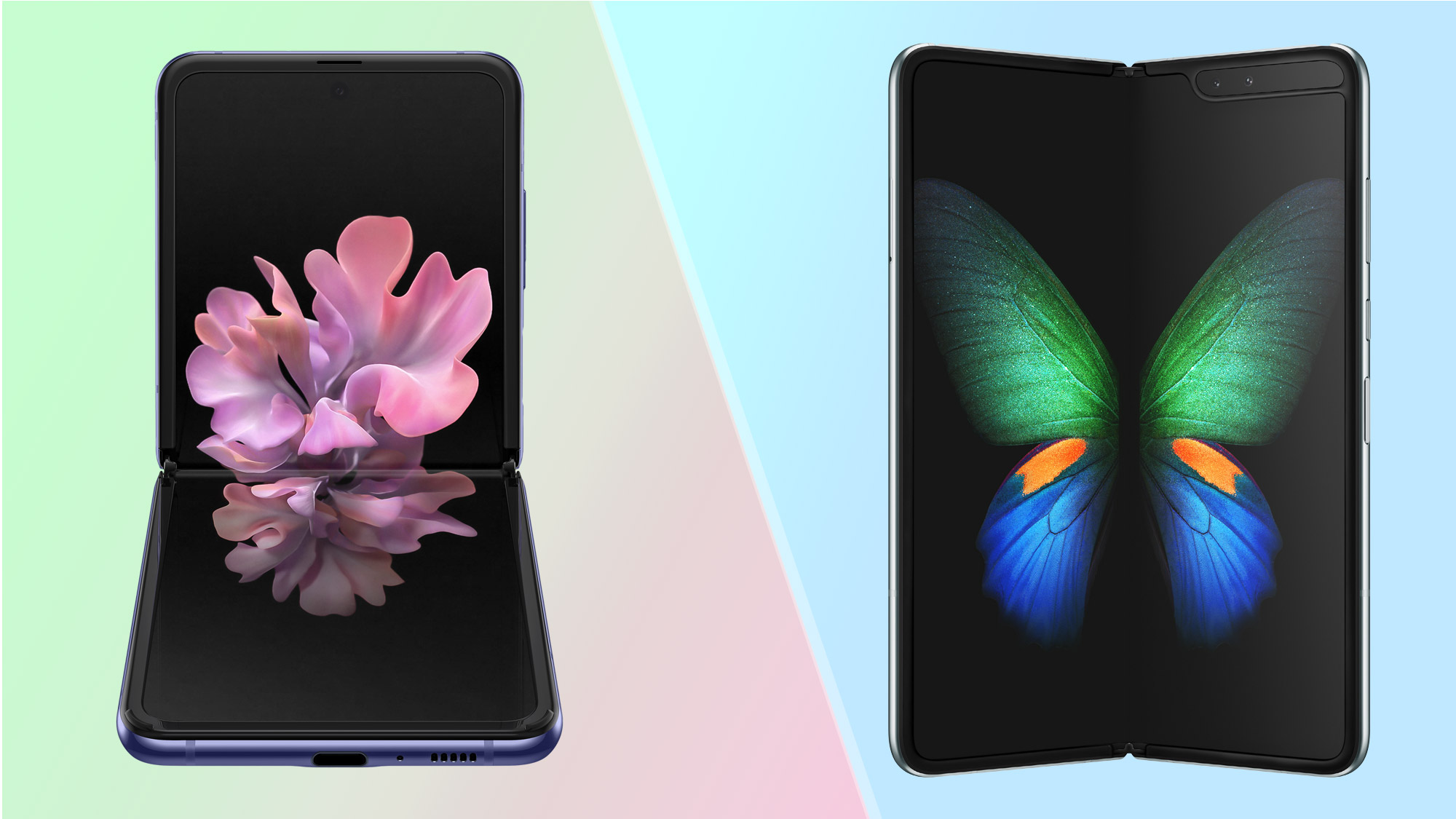
The smartphone industry has experienced a considerable transformation in design, especially with the emergence of foldable devices. Google’s Pixel Fold, introduced in 2023, represented a significant foray into this domain, exhibiting a distinctive design that strayed from the conventional foldable style. Nevertheless, as the sector evolves, it seems that key companies like Apple and Samsung are leaning towards a more classic approach, reminiscent of the original Pixel Fold’s design.
### Google’s Pixel Fold: A Distinctive Yet Disappointing Beginning
The initial Pixel Fold was lauded for its groundbreaking design, featuring a compact book-like shape that unfolded to display a larger internal screen. This stood in stark contrast to Samsung’s Galaxy Z Fold, which took on a taller and slimmer profile. Despite its initial potential, the Pixel Fold encountered backlash for overheating problems, resulting in a somewhat disappointing long-term reception.
In its later versions, Google chose to align more closely with Samsung’s design ethos, departing from the original Pixel Fold’s unique aspect ratio. This transition signifies a wider trend across the industry, as manufacturers aim to fine-tune their devices for app functionality and user satisfaction.
### The Comeback of the “Passport” Style Foldable
Recent information indicates that Apple’s forthcoming iPhone Fold will adopt a 4:3 aspect ratio for its inner display, similar to that of the iPad. Samsung is also in the process of creating a “wide fold” device boasting a comparable aspect ratio. This return to a more standard foldable configuration reflects the dimensions of the original Pixel Fold, which featured a 6:5 aspect ratio, slightly exceeding the 4:3 format.
Both Apple and Samsung are anticipated to incorporate displays that improve usability and app compatibility. Apple’s upcoming device is rumored to sport a 7.58-inch inner display, while Samsung’s will feature a 7.6-inch panel, with exterior displays measuring 5.4 inches. In contrast, the Pixel Fold included a 5.8-inch outer display and a 7.6-inch inner display.
### The Significance of App Compatibility
The revival of the “passport” style foldable can be primarily linked to the demand for improved app support. Traditionally, numerous Android applications have not been optimized for broader screens, resulting in a less than ideal user experience on devices such as the original Pixel Fold. As Google prioritizes enhancing the Android tablet app ecosystem, the moment may be ripe for a comeback of this form factor.
For Apple, the choice to implement an iPad-like inner display for the iPhone Fold could unlock a vast array of applications already optimized for larger screens. This strategic decision is likely to elevate user experience and expand the allure of foldable devices within the marketplace.
### Conclusion
As the foldable smartphone sector continues to advance, the movement back to a more classic design, exemplified by the upcoming devices from Apple and Samsung, indicates a maturing of the technology. The original Pixel Fold’s innovative take may have paved the path for a new wave of foldables that emphasize user experience and app compatibility. With major players reassessing their designs, the future of foldable smartphones appears bright, merging innovation with functionality.
