

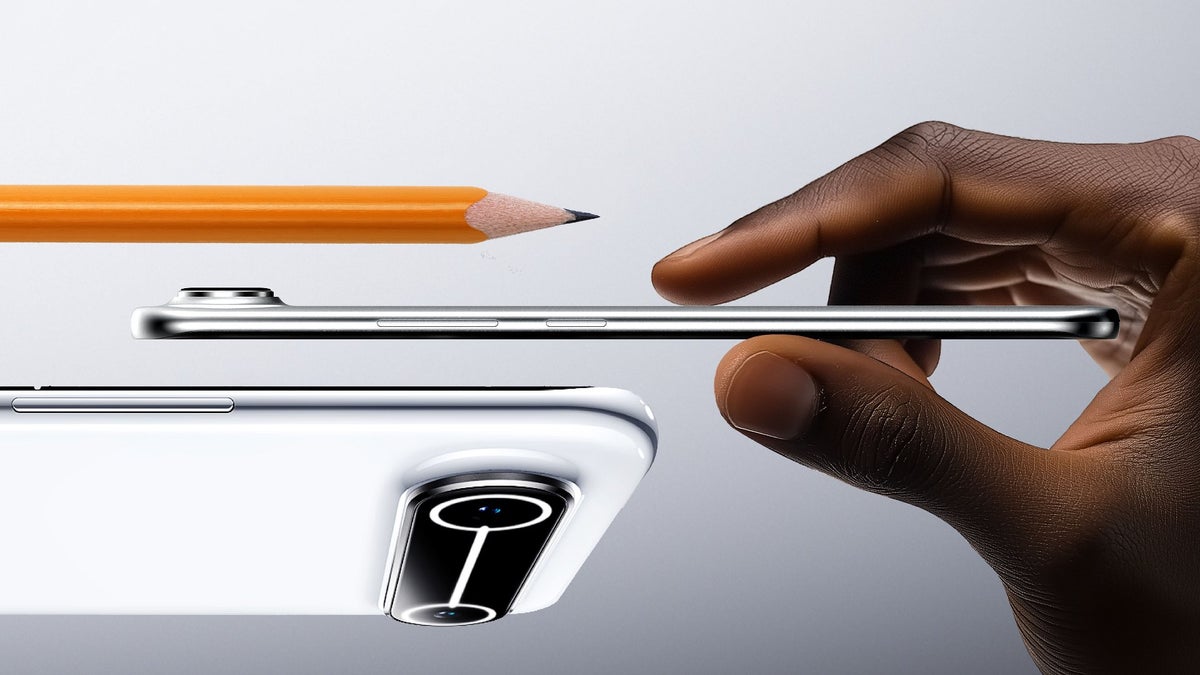
# The iPhone Air: A Refreshing Addition to Apple’s Collection
The iPhone Air is being celebrated as the most thrilling iPhone launch since the iPhone X. With its slender, lightweight construction and distinctive look, it distinguishes itself in a lineup that has felt increasingly monotonous. Apple’s latest iPhones have largely mirrored one another since the iPhone 11, making the iPhone Air a welcome departure. This device emphasizes design and user experience over raw specifications, marking a significant change for the company. However, after thorough usage, certain compromises have become noticeable.
## My First Impressions of the iPhone Air
When first grasping the iPhone Air, the instant impression is one of quality and sophistication. It resembles more of a piece of jewelry than a tech device, especially when placed next to the bulkier Pro variants. The performance is remarkable, boasting Pro-level features such as a 120Hz ProMotion display and the A19 Pro chip. Daily activities, ranging from communication to media consumption and casual gaming, are executed effortlessly, providing a delightful user experience.
However, as time went on, some trade-offs started to reveal themselves.
## The USB-C Port Issue
One of the most notable downsides is the USB-C port, which employs a USB 2.0 controller for data transfer. While this may not hinder all users, those engaged in video or photography will find the limitations exasperating. USB 2.0 supports a peak speed of 480 Mbps, which seems insufficient for a device priced above $1000 in 2026, especially as file sizes continue to expand. For users who are used to Pro models featuring USB 3.0 speeds, the slower transfer rates can be quite problematic.
Furthermore, wired charging is capped at 20W, which is slower in comparison to the Pro models. This may not be a significant issue for those with regular access to charging outlets, but for users in need of fast top-ups, the slower charging capability can be inconvenient.
## The Single-Camera Dilemma
Another compromise is the single 48MP wide camera. While it performs admirably in various situations, the lack of extra lenses becomes clear over time. The absence of an ultra-wide lens can be particularly constraining in daily scenarios, making it challenging to seize moments without awkwardly shifting position. The absence of telephoto functionality is also a drawback, as optical zoom is crucial for capturing events or candid moments.
## Concluding Thoughts
The iPhone Air is not an undesirable phone; in fact, it’s a wonderful addition to the iPhone lineup. It boasts a striking and attractive design that resonates with numerous users. Nevertheless, the slow USB-C transfer speeds and the shortcomings of a single camera pose challenges for some users to fully embrace the device.
For those who value design, portability, and do not heavily depend on advanced data transfers or camera capabilities, the iPhone Air is a practical option. It signifies a shift in Apple’s strategy, concentrating on aesthetics and user experience rather than merely technical specifications. Looking ahead, perhaps the iPhone Air 2 will rectify some of these issues, but only time will reveal.