

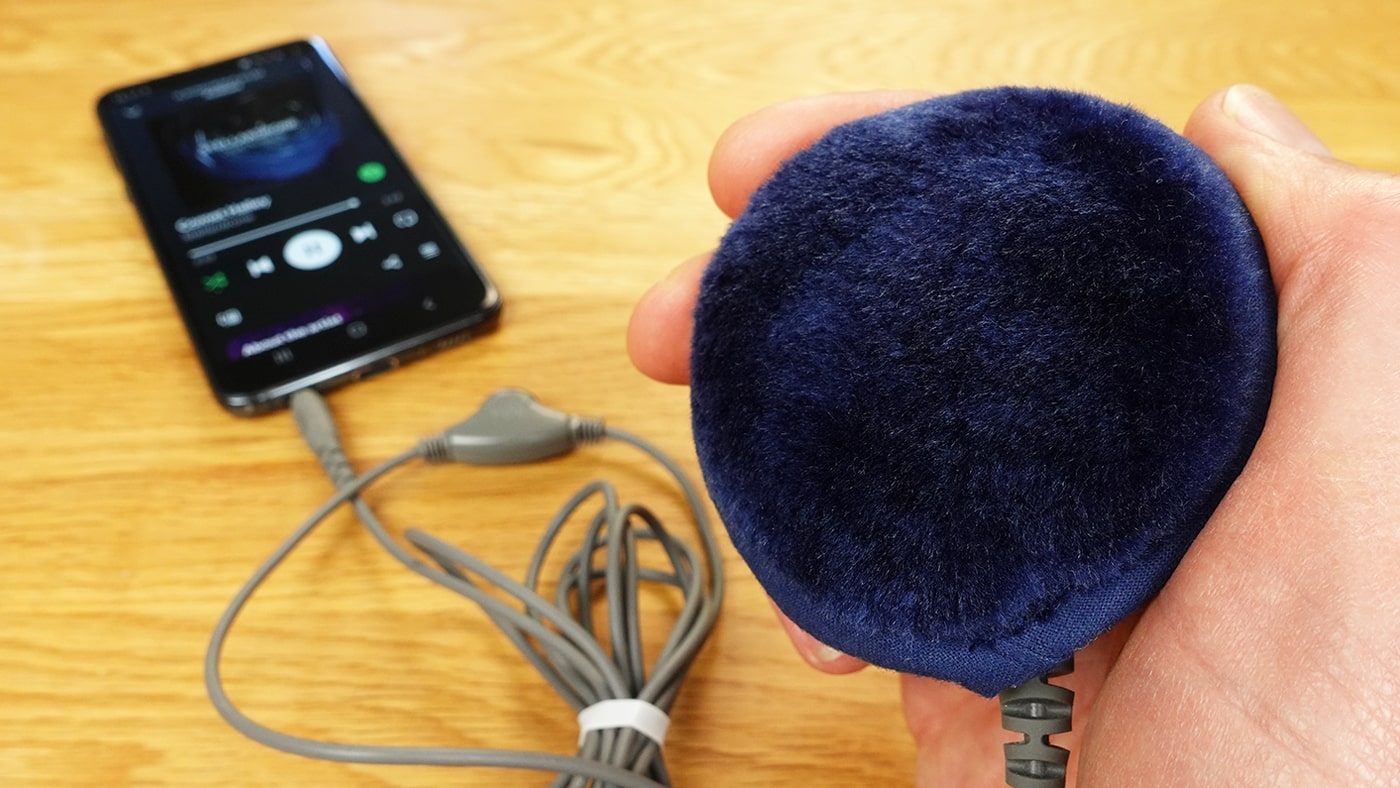
This device utilizes the technology found in bone-conduction headphones and places it underneath your pillow for unobtrusive sleep listening.
In recent years, one thing audio consumers have demonstrated is their preference for experiencing sound without having devices inserted into their ears. Consequently, bone-conduction headphones, open earbuds, and even smart glasses equipped with open-air speakers have gained popularity. Presently, audio brands are exploring how to leverage these technologies to improve the listening experience during sleep.
It may seem peculiar to those who haven’t experienced it, but a significant number of individuals take pleasure in listening to white noise, podcasts, audiobooks, or music as they drift off to sleep. Some attempt to use their regular earbuds for this purpose, which can be uncomfortable for those who sleep on their sides. Others invest in specialized sleep earbuds, like the excellent Soundcore Sleep A30 that I tested earlier. A few simply utilize their phone speaker placed under their pillow, hoping for satisfactory results.
While none of these alternatives is flawless, Jabees aims to offer a different solution with a Bluetooth speaker intended for placement under your pillow. I’ve tried it, and while it’s not without flaws, it appears to be the best option for side sleepers unwilling to wear earbuds to bed.
How the Jabees Peace Pillow Speaker operates
The Jabees Peace Pillow Speaker is compact enough to fit in your hand, which may come as a surprise. This was not what I anticipated when the audio accessory arrived. After using it, I realized that the pillow speaker’s small and portable size could be its most significant advantage. I often struggle to sleep while traveling because my internal clock gets disrupted, and having a small pillow speaker for white noise or music while on the go seems appealing.
It operates using a type of bone conduction similar to that found in bone-conduction headphones. Though marketed as a bone-conduction pillow speaker, that description isn’t entirely accurate. Bone conduction headphones transmit sound vibrations through the bones in your cheek, which are then detected by your inner ear. In contrast, this pillow speaker transmits sound vibrations through your pillow, which can then be heard by your ear.
Disregarding the marketing misrepresentation, the key point is that it functions effectively. With the speaker positioned under your pillow, it amplifies the vibrations, making them easily audible at medium-to-high volumes. You should place the speaker under the section of your pillow where your ear rests for the best experience.
It’s a Bluetooth speaker, but this device can also operate independently with audio files stored on a microSD card. The “plus version” includes a 1GB card with eight white noise and nature sounds. The standard version is only about $4 less expensive, so opting for the plus bundle is advisable if you intend to use the white noise feature. Those who wish to merely connect to their phone can forgo the microSD card and save some money.
There are three high-visibility yellow buttons for turning the device on/off and adjusting volume. Some buttons have multiple functions; for instance, the power button is also used for pairing, and the volume up button can activate a sleep timer. Speaking of which, this feature is useful if you don’t want your music playing throughout the night — it can automatically stop after 30 minutes, one hour, or two hours.
The battery can last up to 10 hours, ensuring you’ll receive a complete night’s sleep from the speaker, though not significantly more. Utilizing the sleep timer may extend its use over a week. Recharging via USB-C is quite simple: just connect the pillow speaker where your phone charges overnight and you’re good to go.
It’s superior to your phone, but inferior to sleep earbuds (for certain users)
The price is an important consideration here — it’s $36 for the standard version or $40 for the plus bundle inclusive of a microSD card. This should give you an idea of the sound quality of the Jabees pillow speaker. While the quality isn’t exceptional, it far surpasses a phone speaker. This is because a phone speaker projects sound downwards, while this pillow speaker transmits vibrations upwards through your pillow.
When using it, you’ll need to determine whether you prefer the pillow speaker to be discreet or loud. At a volume I find comfortable, it is sufficiently loud that someone beside you may be able to hear it. Lower volumes are less disruptive to sleeping partners, but are more effective for background white noise than for music and podcasts that require attention.
When comparing a phone speaker to the Jabees Peace, I would opt for the dedicated pillow speaker. As a side sleeper, I benefit from louder volumes and improved clarity compared to my phone, without the discomfort of earbuds. Additionally, I appreciate being able to use my phone or place it on a nightstand while still enjoying music playing beneath my pillow. However, it may not suit everyone.
Sleep earbuds remain the superior choice for individuals requiring high volume without