

With emerging AI assistants such as Lenovo’s Qira, technology companies are outlining the ultimate surveillance objective that began with smart eyewear.
Wearable AI is not a novel idea. The Humane pin and Rabbit R1 attempted to establish portable AI assistants as a mainstream option. Their infamous failures damaged that notion, yet it remained alive, as demonstrated by CES 2026. Over a dozen technology brands, particularly Lenovo, have advocated a particular AI vision: compact wearable devices that capture and transcribe your surroundings for later recall.
Consumers have embraced AI wearables like Ray-Ban Meta glasses or smartwatches, which offer familiar designs and functionalities beyond AI. However, tech companies still believe they can convince users of an essential, specialized wearable AI that accompanies them everywhere.
It is not far-fetched to use AI transcription as the core appeal of this idea. Recording applications like Otter are quite popular for taking meeting notes, and a portable, all-day transcription device would be beneficial during events like conventions. However, the ultimate goal is to capture and analyze every aspect of your life, and that is not an exaggeration.
Outside the optimistic and trusting atmosphere of CES, with its meticulously crafted presentations, it is reasonable to question if this continuously recording AI future represents yet another bubble poised to burst — or if these devices function as envisioned, whether that would be a positive development.
A brief overview of CES 2026’s abundance of wearable AI devices
The Pebble Index 01 sidestepped Oura’s legal issues by not incorporating health sensors and instead concentrating on transcription: press a button, say a few words, and the recording is sent to your smartphone for a voice-to-text reminder. Simple and enjoyable, it is significantly less ambitious and automated than other wearable AI technologies showcased at CES.
Mobvoi, previously a maker of Wear OS smartwatches, has shifted to the TicWatch Note, an all-day smartwatch featuring “instant, one-press recording for meetings, ideas, and voice moments,” plus “on-watch live translation.” That sounds sensible, but Mobvoi also makes vague promises regarding “AI-driven holistic analysis,” compiling a database from your spoken words synchronized with your location and health data.
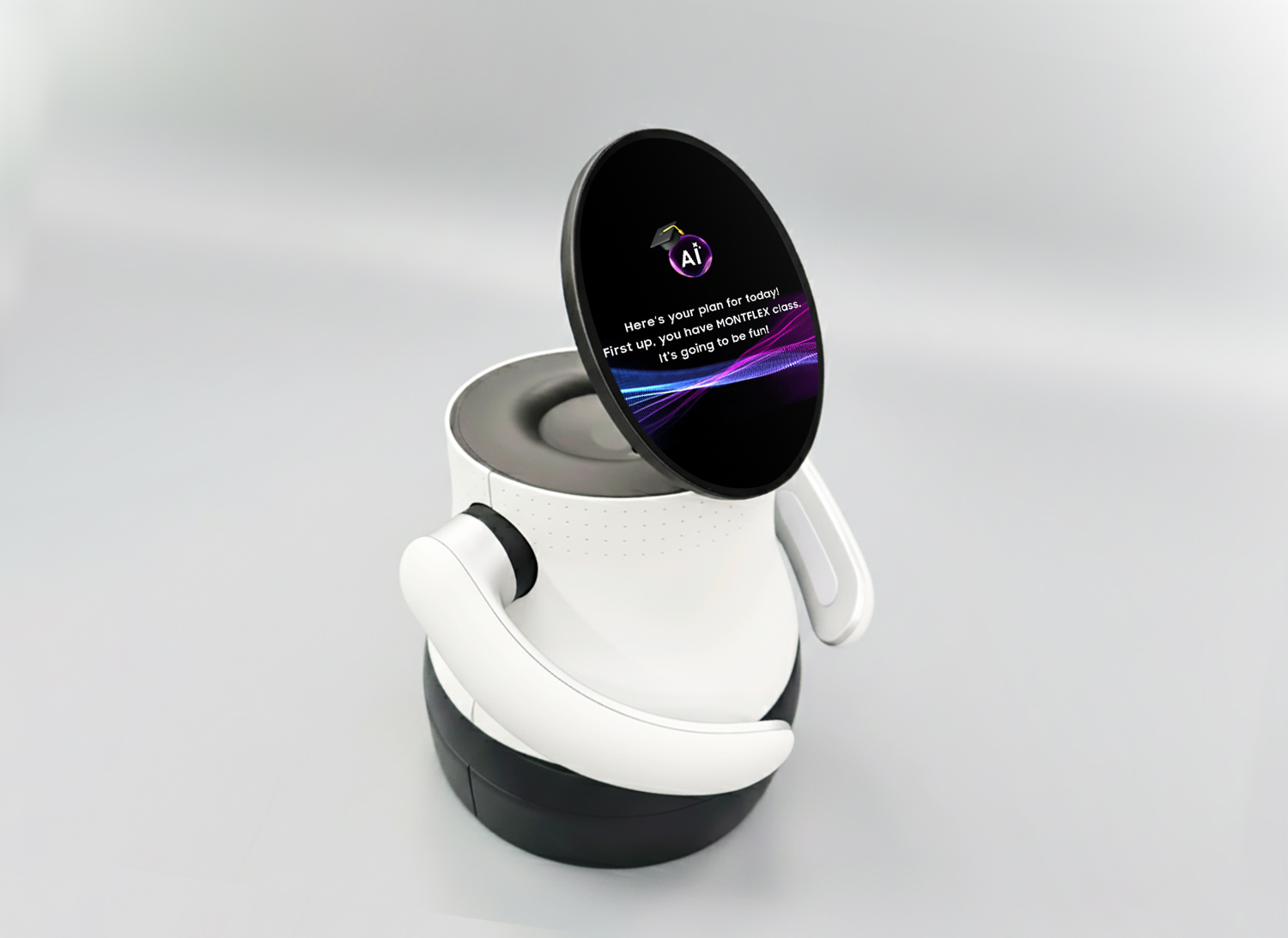
In stark contrast to the Pebble Ring’s ambitions is Qira. Lenovo’s AI assistant is described as an “ambient system-level intelligence” that “accompanies you across PCs, tablets, smartphones, wearables, and more.” It can transcribe meetings or draft emails for you, but Lenovo envisions Qira observing your actions and providing “proactive, contextual suggestions” for your next steps.
Numerous technology companies aspire to create an “agentic AI” capable of independent action and anticipating user desires in consumer contexts. No one has succeeded yet, but Lenovo must demonstrate that Qira’s deductions are genuinely accurate or useful, believing it can achieve this by tracking every activity you undertake, whether digitally or in-person.
Lenovo’s vision for wearable AI begins with the Motorola Project Maxwell, a proof-of-concept designed to continuously record nearby sound and video. However, Lenovo Executive Vice President Luca Rossi told PC Mag that they are exploring additional wearables, from smart glasses to “ambient AI sensing devices” positioned throughout your home.
They aim to design a “personal AI twin” that is always aware of your activities, “regardless of the platform you are utilizing,” all to ensure Lenovo possesses “complete knowledge about you.”
Other technology brands at CES may lack Lenovo’s extensive platform reach, yet they share the same ambition. SwitchBot’s robots were highlighted among our favorite gadgets from CES 2026, but the company also introduced its “second brain”: the 18-gram AI MindClip that captures all of your conversations, sending them to the cloud for transcription and summarization, allowing you to “think more clearly” about your day’s events.
In a similar vein, the Plaud NotePin S — which can be worn as a pin, necklace, or bracelet — has the ability to transcribe and “extract” comprehensive summaries and flowcharts from your discussions with just a button press.
Memories.ai’s Project LUCI, a multifunctional pin featuring a 109º camera with a privacy switch, was aimed at developers rather than consumers “after observing various high-profile AI wearables fail,” according to the CEO. Nevertheless, he continues to make ambitious claims, asserting that the pin can already “remember individuals you meet, transform everyday experiences into meaningful video highlights, or provide full real-world context to AI agents.”
There were several other all-encompassing wearable AI devices at CES, such as the Looki L1 that “sees, hears, and comprehends your life,” but I must end here.
Other wearable AI devices focus on specific functions. For instance, Amazfit’s V1tal Food Camera is solely dedicated to wearable nutrition information: capture an image of your meal, and AI will evaluate its caloric and macronutrient content. I can’t envision consumers investing in glasses solely for this purpose, but this practical concept would enhance any smart