
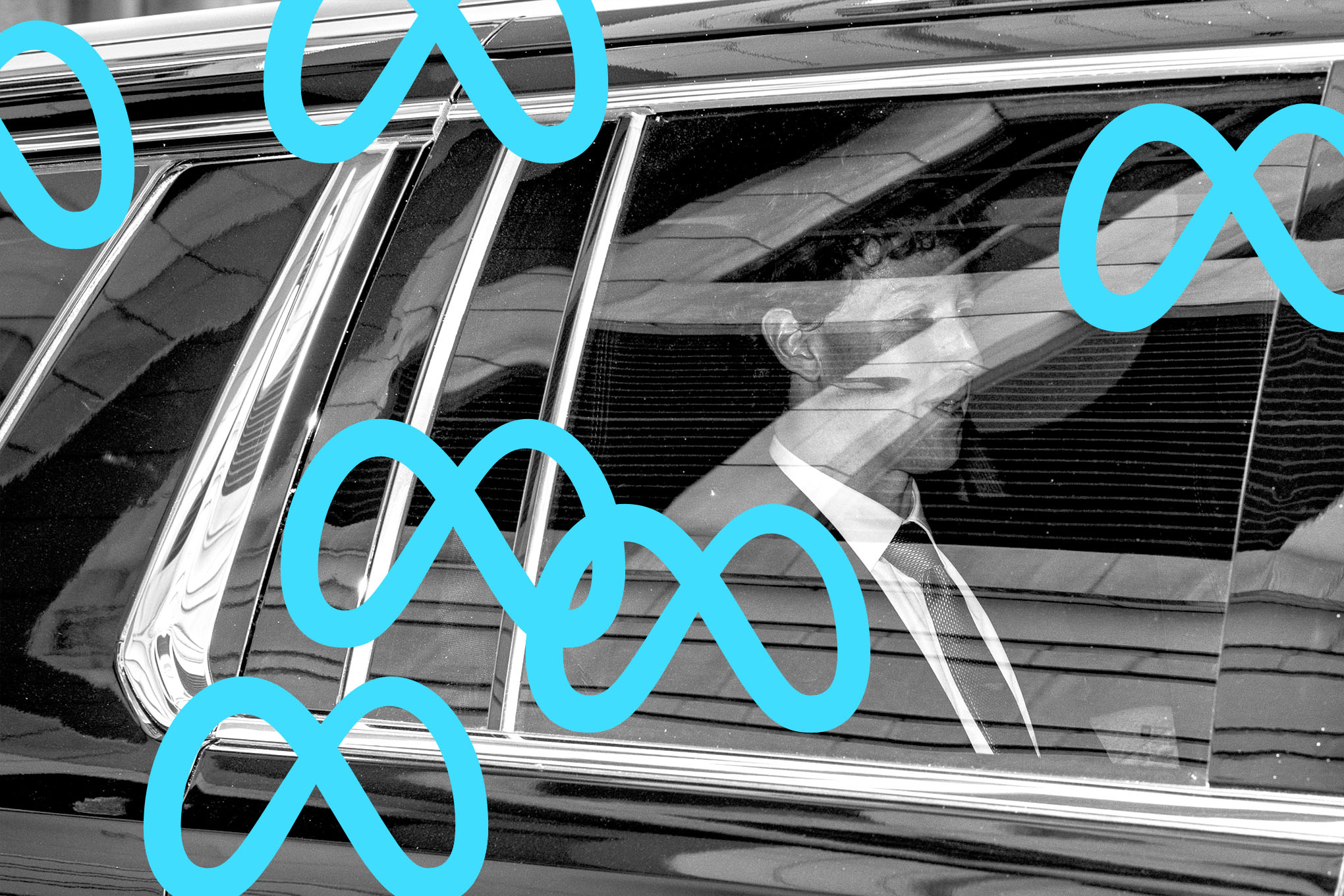

Meta CEO Mark Zuckerberg appeared in a Los Angeles courthouse to testify on safety decisions, including why Instagram didn’t ban certain beauty filters. Accompanied by an entourage seemingly wearing Meta’s Ray-Ban smart glasses, he walked by parents whose children died due to social media issues. For eight hours, he answered questions in a matter-of-fact tone, denying liability for platform harms.
He was questioned by Mark Lanier, representing a 20-year-old plaintiff claiming Meta and Google’s features led to her mental health issues, which both companies deny. Despite Zuckerberg’s attempts to provide nuance, Lanier’s contrasting style highlighted the safety decision debates at Meta. The judge cautioned against wearing Meta’s AI glasses in court and warned about recording.
Zuckerberg addressed both past decisions and public statements, touching on contradictions between striving to keep kids under 13 off platforms and allegations of valuing young users. He discussed decisions impacting young users, like the choice not to ban AR filters mimicking cosmetic surgery.
Zuckerberg argued Meta balanced free expression with potential harm, reviewing research on filters before deciding against a permanent ban. Some creators were allowed to make filters, but Instagram wasn’t to recommend them. Lanier suggested Meta prioritized user engagement over well-being, but Zuckerberg insisted on shifting focus to user value. Despite controversy, employees’ disagreements didn’t show compelling data against the filters.
When asked about his qualifications for such decisions, Zuckerberg acknowledged he didn’t have a college degree. His testimony concluded a significant part of a trial expected to last over six weeks, with more insights from former employees and YouTube executives to follow.
Parents present expressed a desire for Zuckerberg to empathize with their cases, remarking on the impact of their courtroom presence and hoping to inspire change.