
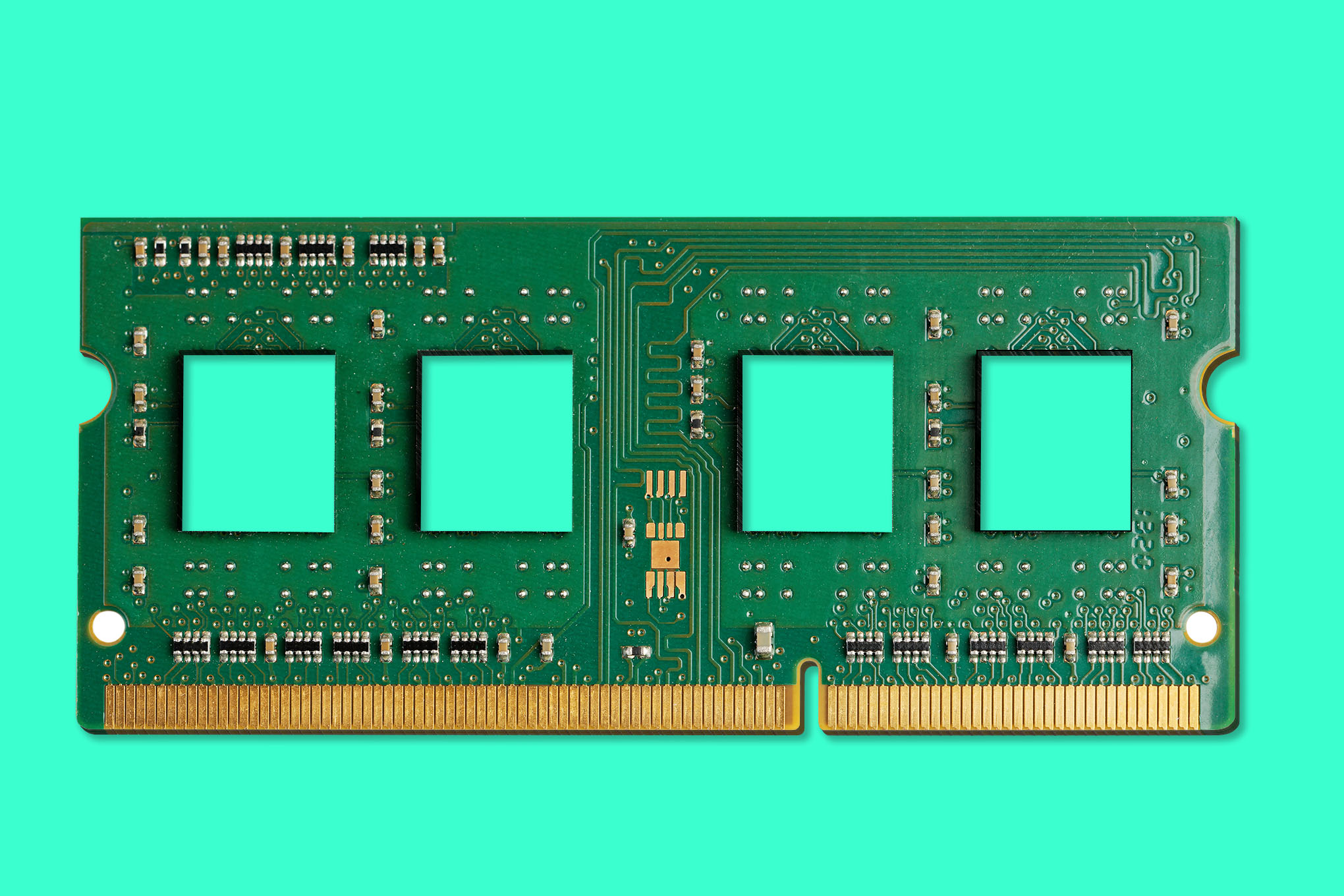

It’s not just desktops; it’s phones, laptops, and consoles, and it’s getting worse.
The cost of memory has increased significantly, with RAM prices tripling, quadrupling, or even sextupling because AI companies are consuming it at a rapid rate.
Even if you don’t purchase memory sticks or build PCs, the rising RAM prices will still impact your finances. Upgrading your phone, console, laptop, or router in the next few years will likely involve dealing with shortages, price hikes, or both. Even if you aren’t purchasing these devices, the increased costs will impact goods and services you rely on, as others pay more to upgrade their technology.
“RAMageddon” is worsening, with no immediate end in sight. Almost everything contains a computer, and every computer needs RAM. AI requires substantial RAM for data processing, and the majority is produced by just three companies prioritizing the AI boom over other markets.
The full extent of product delays or cancellations due to the RAM shortage may never be known — Nvidia may delay a GPU for the first time in 30 years, Meta may not release a VR headset this year, planning instead to charge higher prices when they return in 2027, and Sony’s next PlayStation may be postponed to 2029.
The shortage will affect phones soon. Analysts agree that while 2025 was a strong year for smartphone sales, with Apple reporting record iPhone sales, the RAM shortage will reverse this trend. Prices are set to rise, and fewer products will be available. Companies will focus more on profitability and alternative revenue streams.
According to Qualcomm, fewer phones will be produced, and the ones that are will cost more because of the memory shortage. OEMs are expected to prioritize premium models. Memory makes up about 15-20% of a midrange phone’s costs and 10-15% of a high-end phone’s costs. IDC initially expected phone prices to rise by $9 on average, but now estimates an 8% increase, with lower-end phone prices rising significantly more. Apple may also experience pricing pressure, potentially raising iPhone prices to maintain profit margins.
Gaming systems are facing similar issues. The model of subsidizing consoles through game sales ended before the RAM crisis, and price hikes for consoles like the Nintendo Switch 2 and Sony’s PS6 are expected. Valve has raised the price of its Steam Deck and delayed the release of the Steam Machine due to the memory shortage. Handheld gaming systems are also facing price increases.
PCs, which need more RAM and SSDs, are experiencing rapid price increases. Major manufacturers plan significant price hikes, and the PC market is predicted to decline. Dell has already raised laptop prices, and Framework has increased laptop and motherboard prices due to rising memory costs. Lenovo, despite hoarding RAM, faces increased costs, and consumer PC prices might double soon.
The RAM crisis is expected to continue until 2028, according to Intel and other industry figures. Memory producers are planning to increase production but are approaching this slowly to avoid financial risk. As they profit, the increased costs will be passed on to consumers.