

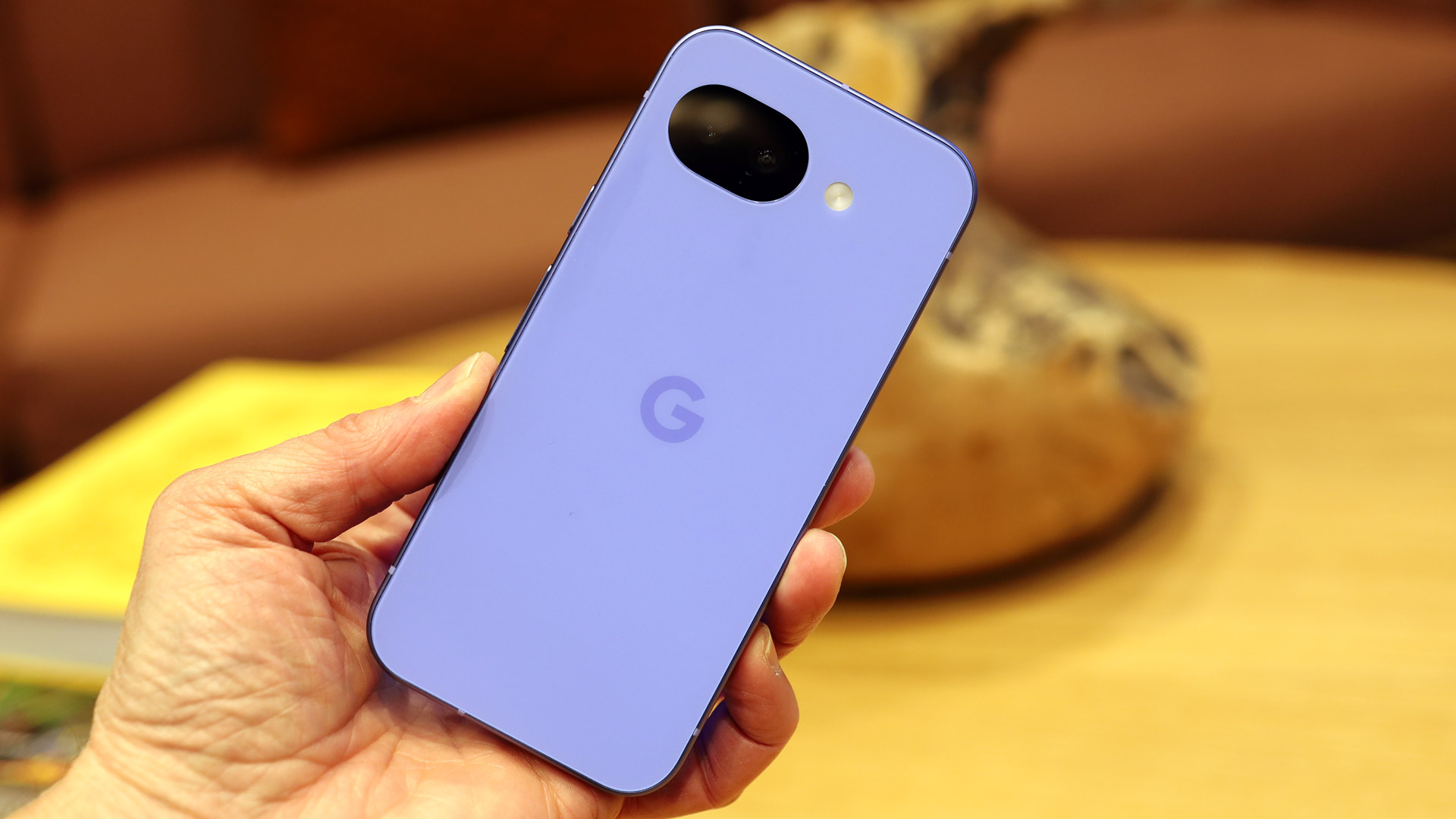
The Pixel 10a is here at last, and it’s… similar. Google’s newly announced mid-range Pixel is now available for preorder and will be in stores on March 5, giving you a few weeks to determine if it’s the right choice for you. However, if you’re acquainted with Google’s recent Pixel releases, including last year’s Pixel 9a, making a decision might not be straightforward.
At first sight, there’s much to appreciate about the Pixel 10a, but there’s also a lot that might give you pause before opting for it over another Pixel model. Let’s explore what we know about the Pixel 10a to assist you in deciding if it’s a worthwhile purchase and to identify who the 10a is truly intended for.
Reasons to purchase the Pixel 10a
Right from the start, one of the clearest reasons to buy the Pixel 10a is its pricing. Priced at $499, the Pixel 10a fits snugly into the mid-range and is nearly half the cost of the standard Pixel 10. This is the same launch price as the Pixel 9a, and it’s refreshing to see that Google hasn’t increased it despite the memory shortages affecting the tech sector.
The Pixel 10a is likely among the top contenders at this pricing tier. It features a (technically) flagship chipset, and you benefit from all the advantages of other Pixel devices, including Google’s Gemini AI capabilities and a long-term software update commitment (seven years of operating system updates, security fixes, and Pixel Drops).
Beyond the expected camera quality and functionalities typical of most Pixel smartphones, the Pixel 10a introduces some enhancements not present on the Pixel 9a, such as Macro Focus. One of our favorite features is Auto Best Take, which helps you take better group photos by allowing you to choose the best expressions for each individual. Camera Coach, another feature launched with the Pixel 10 series, utilizes AI to assist you in taking better photographs based on the subject.
The Pixel 10a also features several other noteworthy upgrades that we appreciate seeing in a $500 device. The enhanced Gorilla Glass 7i is anticipated to offer greater protection compared to the Pixel 9a, and the display brightness has increased to 3,000 nits, making it very usable in outdoor conditions. Satellite SOS is also an uncommon feature in Android devices, which can be invaluable if you find yourself in an emergency situation without network reception.
Lastly, the enhanced battery life and charging specifications should be appealing to anyone looking for a phone that lasts all day. While it shares the same battery size as its predecessor, the 10a is rated to perform longer on a single charge: over 30 hours or up to 120 hours with Battery Saver. We referred to the Pixel 9a as the “Energizer phone” in our review last year, and we anticipate that the Pixel 10a will uphold this reputation.
The upgraded 30W charging is a beneficial enhancement, especially since it outpaces the $800 Galaxy 25 in charging speed, and for those who enjoy wireless charging, Google has improved the speed from 7.5W on the Pixel 9a to 10W on the Pixel 10a. While not blazing fast, it’s still a commendable upgrade.
Reasons to reconsider purchasing the Pixel 10a
Although the Pixel 10a is a solid smartphone for its price, when set against its predecessor and other devices within its price bracket, some might find it challenging to rationalize choosing this over alternatives. In fact, it’s likely one of the smallest generational upgrades we’ve observed in Pixel phones.
You’d need a keen eye to notice the distinctions between the Pixel 9a and Pixel 10a. The latter features a more flush back, intended to enhance overall aesthetics, but ultimately, if the design of the Pixel 9a didn’t appeal to you, this one probably won’t either. At 9mm, it’s a bulky phone, thicker than the Galaxy S25 Ultra and even the Galaxy Z Fold 7 (excluding the camera modules). Additionally, you will likely want to use a case, which will add even more thickness.
Regarding cameras, if you’re in need of a telephoto lens, the Pixel 10a may fall short. While Google’s Super Res Zoom can yield impressive outcomes, it does not equate to having a dedicated telephoto lens. A device like the Galaxy S25 FE would serve as a better choice if you’re willing to spend a bit more for a telephoto lens and quicker 45W charging.
The Pixel 10a also does not support Qi2, introduced in the Pixel 10 series. While this could have made the phone bulkier and pricier, it is disappointing that Google didn’t incorporate the spec without the built-in magnets, akin to the Galaxy S25 series. Google already offers Pixelsnap cases, which have built-in magnets themselves, so it could have relied on this while providing us with faster wireless charging capabilities.