

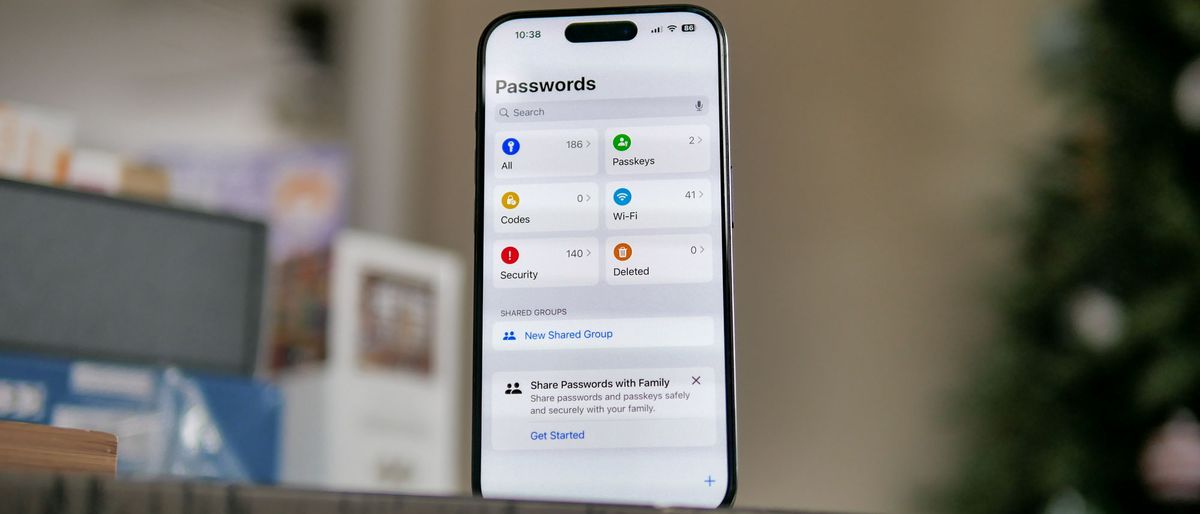
# The Transition to Apple Passwords: A New Chapter in Password Management
A password manager once stood as one of the most essential third-party applications available. It was the resource that made it feasible to maintain strong, individualized passwords for every app, website, and online service we utilized. However, with the introduction of Apple Passwords, the password management scene has started to evolve, prompting many users to rethink their dependence on paid applications and subscriptions.
## A Password Manager Is Necessary
In the initial stages of online services, it was typical for individuals to rely on a single password across several platforms. Typically, this password was weak and easily guessed, placing users at considerable risk. Alarmingly, many individuals who are not technically savvy still engage in this precarious habit today. This is worrisome because the security of all online services is only as robust as the least-secure site accessed. When data breaches transpire, hackers can take advantage of these feeble passwords, seeking to infiltrate high-stakes targets such as financial services and Apple accounts.
Utilizing a password manager to generate robust, unique passwords for each online service is vital in today’s digital realm. This recommendation has been promoted for over a decade and is now viewed as a core element of online security.
## An Increase in Users Transitioning to Apple Passwords
Apple has long included a built-in password manager via Keychain, which has progressed into iCloud Keychain. While it functioned adequately, third-party password managers frequently provided more functionalities and user-friendly designs. This shifted last year when Apple rolled out a specific Passwords app, improving the feature set and usability to rival paid third-party applications. Many users, myself included, have made the transition and have discovered it to be a seamless experience.
Recently, 1Password declared substantial price increases, with individual subscriptions jumping from $35.88 to $47.88 annually and family plans going from $59.88 to $71.88. This increase in cost has led many users to contemplate switching to Apple Passwords, as shown by numerous comments from readers indicating their plans to terminate their subscriptions.
## Steps to Switch
Transitioning from a third-party password manager to Apple Passwords is simple, even for 1Password users. The procedure includes exporting your database from 1Password and importing it into Apple Passwords. Below are the instructions tailored for Mac users, although the process can also be executed on iPhone.
### Export Your Passwords from 1Password
1. Launch and unlock the 1Password application on your Mac.
2. From the menubar, click on **File > Export** and select the account you wish to export.
3. Input your account password.
4. When asked to select a format, choose **CSV** and hit **Export Data**.
5. Designate a location to save your 1Password data and click **Open**.
### Import Your Passwords into Apple Passwords
1. Open the Passwords app and verify your identity.
2. From the menubar, click on **File > Import passwords from file**.
3. Select the CSV file you exported from 1Password.
### Securely Remove the CSV File
Following the importation of your passwords, it is essential to delete the CSV file immediately to safeguard your sensitive data. If you possess anything in your trash that you might want to retrieve, it is advisable to empty it at once.
In summary, the move to Apple Passwords marks a noteworthy transformation in password management, driven by the demand for improved security and the increasing expenses of third-party services. With its strong capabilities and user-friendly design, Apple Passwords is destined to become the preferred solution for numerous users aiming to protect their online accounts.