
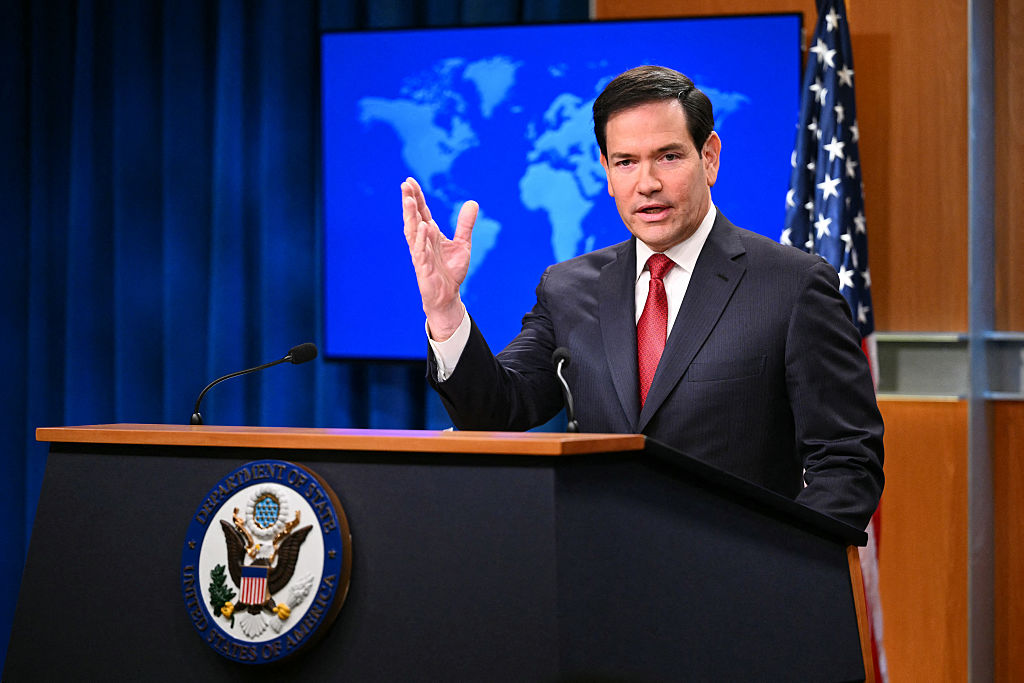

The Trump administration has directed U.S. diplomats to oppose efforts by countries to regulate American tech companies’ handling of foreign data, claiming that data sovereignty laws could hinder AI services and technology, as reported by Reuters from an internal diplomatic cable.
The cable, signed by U.S. Secretary of State Marco Rubio, states that these laws could “disrupt global data flows, increase costs, and cybersecurity risks, limit AI and cloud services, and expand government control in ways that could undermine civil liberties and enable censorship.”
Diplomats are urged to counter “unnecessarily burdensome regulations, such as data localization mandates.” They are also instructed to monitor proposals promoting data sovereignty laws and to advocate for the Global Cross-Border Privacy Rules Forum, an international organization promoting “trusted data flows globally through international data protection and privacy certifications.”
This directive comes amid increased global scrutiny on how Big Tech and AI firms handle citizens’ data. The European Union has spearheaded this movement with regulations like the GDPR, the Digital Services Act, and the AI Act, aimed at reducing tech companies’ control and misuse of user data while holding them accountable.
The Trump administration has traditionally opposed such regulatory measures, and this directive underscores their stance as they aim to support U.S. AI firms.
The U.S. State Department did not immediately respond to a request for comment.