
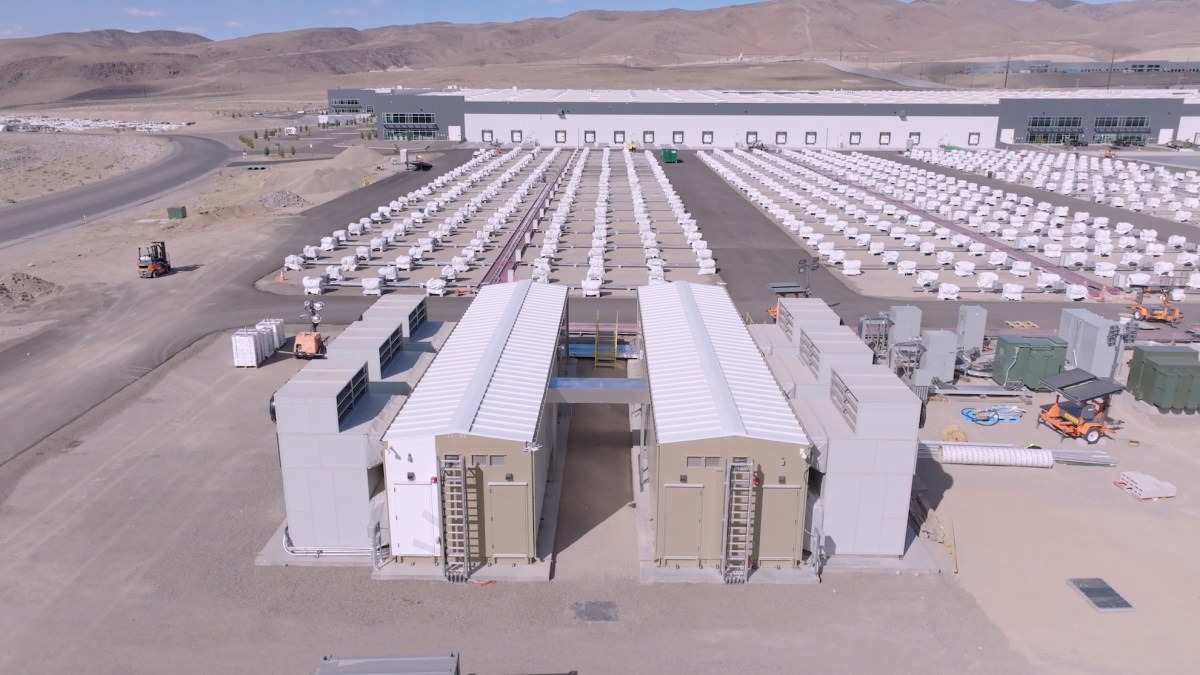

Discontent over the proliferation of server farms accompanying the AI boom has surged across the country. Legislative agendas are shifting, with some states and communities considering temporary bans on new data center development. New York recently proposed a three-year moratorium on new data center construction permits, allowing time to study the environmental and economic impacts. The bill, introduced by State Senator Liz Krueger and Assemblymember Anna Kelles, is considered the strongest of its kind in the U.S.
While no statewide moratoriums have passed, local bans are quickly spreading. New Orleans and Madison, WI, recently enacted one-year moratoriums on new data center construction. Similar measures have been implemented in areas like Georgia and Michigan.
Environmental activists have long criticized data centers, and high-level lawmakers from both parties are voicing concerns, often motivated by populist anger at the tech industry. In Florida, Gov. Ron DeSantis proposed an AI “bill of rights” that allows communities to limit data center construction. In Vermont, U.S. Senator Bernie Sanders suggested a nationwide moratorium. Arizona Gov. Katie Hobbs has expressed support for removing tax incentives for the industry, while political tensions have prompted online disputes.
As tech companies plan to spend a combined $650 billion on infrastructure, including data center expansions, public opposition is growing. An Echelon Insights poll found that 46% of respondents oppose data center construction in their communities, while Politico found mixed voter opinions.
The industry is increasing efforts to sway public perception with targeted advertising and engagement. Some companies are making concessions, such as a pledge to supply power to new AI data centers. However, it’s unclear if these measures are sufficient to change public opinion.
Dan Diorio of the Data Center Coalition argues that data centers provide revenue without straining local resources, benefiting smaller communities. Statewide policy considerations are needed to avoid limiting potential economic benefits.
Data center moratoriums aim to provide communities with time to evaluate the impact of such facilities. Construction rates in some states have accelerated, raising concerns about long-term effects.
Justin Flagg, from Sen. Krueger’s office, cites New York’s energy affordability crisis as a driving force behind the legislation. Critics argue that data centers worsen the issue by driving up energy prices.
Major tech companies like Microsoft, Google, Meta, and OpenAI have promised to fund their grid additions, while some pursue private power sources. Silicon Valley is increasingly building independent “shadow grids” to support its facilities.
Elon Musk’s AI startup, xAI, built methane gas turbines at its Memphis data center, sparking legal and environmental challenges. This “shadow grid” strategy, while alleviating public grid demands, raises significant environmental concerns.
At the federal level, Trump officials have discussed potential policies to make AI companies cover the costs of their grid additions. However, details remain unclear.
Tax incentives for data centers are under debate. An analysis found 42 states offer tax breaks, resulting in forfeited revenue totaling $6 billion over five years. Some states, like Georgia and Ohio, are considering ending these exemptions to reclaim revenue. Others, like Colorado, continue to support them, seeing tax breaks as a way to attract tech companies and boost local economies.