
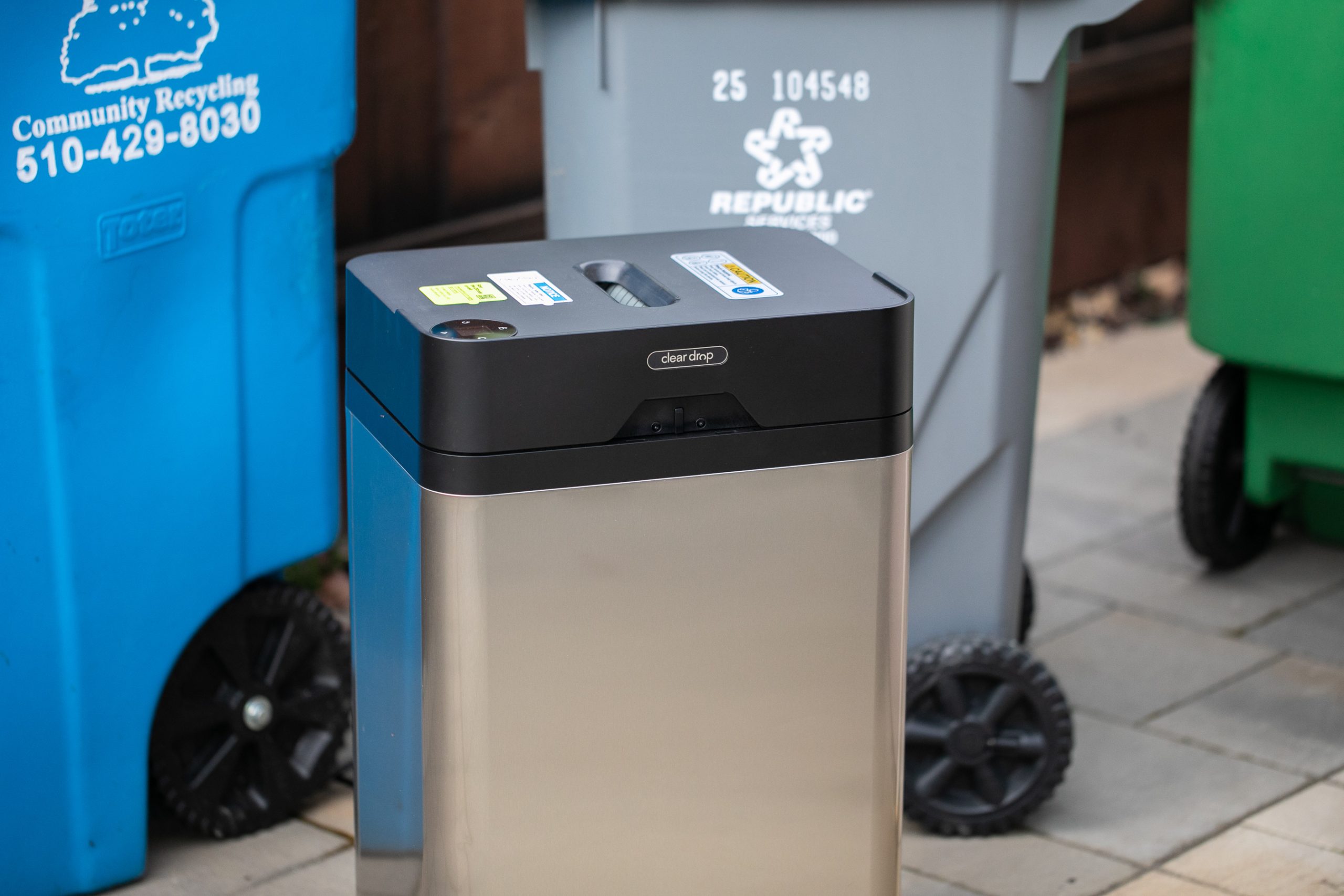

A look at the Clear Drop Soft Plastic Compactor — and its implications.
As a child, I collected cans for pocket money. Now, I meticulously recycle, cutting down cardboard and sorting plastics every week, even tearing cellophane from envelopes with hopes of aiding recycling efforts. In essence, I’m an ideal candidate for Clear Drop’s Soft Plastic Compactor, a device designed to compress non-recyclable packaging into compact, manageable bricks, offering a potential alternative to landfill disposal. The company suggests the compacted brick avoids jamming recycling systems that individual plastics might. You simply load your plastics into this 61-pound machine, watch them vanish, and after some time, retrieve the brick to mail out for recycling. If only it were that straightforward!
For over a month, I’ve tried Clear Drop’s setup. My colleague, Justine Calma, delved into what happens post-brick production. Our findings? The machine’s cumbersome, the service costly, and its environmental impact questionable. Juicero’s overpriced juicing fiasco comes to mind — a solution that didn’t work as intended. We worry such tools could promote further disposable plastic use, as one previous buyer hinted. Despite this, the compactor attempts to address a valid concern — for a fleeting time, I managed to keep plastics out of landfills, sparking guilt as I revert to prior habits.
Here’s my journey with Clear Drop:
For a hefty $1,400 — including a $200 deposit and a $50 monthly fee over two years, comparable to my waste disposal expenses — a subscription offers three benefits. First, the machine: a 27-inch compactor with auto-sensing rollers, a heat element, and a sleek design. Once packed with plastic, it compresses contents, coating the brick’s surface for cohesion. Second, there’s one prepaid mailer monthly, dispatching your brick somewhere for recycling. Third, a two-year protection plan offers maintenance and returns, complete with a 30-day refund policy.
Post two years, you’re responsible for shipping costs and repairs. This concerns me, given Clear Drop’s limited recycling partnerships and the machine’s limited robustness. Initially, the machine impressed: no setup, no Wi-Fi or apps. Just plug and engage via a touchpad, and plastics gradually disappear within. I gleefully recycled each scrap, relishing the process. Yet identifying suitable plastics proved challenging — were Ziplocs or foil-lined bags fine?
Frankfort Plastics, a partner in this endeavor, cites tolerance for minor contamination, and extraction systems for metal separation. Avoid PVC, celluloid, and polystyrene plastics they advise.
Despite initial ease, safety worries arose — what if kids accessed it? Rolling tests with my hand proved harmless, thankfully. The machine struggles, however, with thicker plastics and misfires. Even more frustrating, it clogged like the equipment it’s meant to outdo — necessitating manual intervention. Why bother with rollers when you can bypass them?
After initiating brick formation, the unit locks across a three-hour cycle, releasing the outcome amid pungent melted plastic odors. Such aroma relegated the device to our garage. Once sealed in a mailer, the brick heads off for — recycling? Here’s where Justine Calma continues the tale.
The promise and problems of recycling:
Recycling alone isn’t the answer for plastic pollution. Even basic plastic bottles rarely reincarnate as new bottles. Quality degrades with each cycle, restricting recycling to a few turns before converting plastic to lesser goods. Critics label plastic recycling a “myth,” suggesting it enables further plastic production. Recycling soft plastics, those Clear Drop collects, is even rarer due to their low perceived value.
Addressing this, Clear Drop’s compactor seeks to simplify recycling, consolidating three pounds of plastic monthly. But what next? Currently, it directs bricks to Frankfort Plastics, which handles niche film densifying, yet finds economic models challenging.
Frankfort processes materials into feedstock via a large-scale setup, but often sends output for chemical — often controversial — recycling. Clear Drop maintains their feedstock avoids waste-to-fuel routes, instead supporting closed-loop recycling.
While recycle-by-mail might appeal to eco-conscious customers, Susan Keefe of Beyond Plastics advises against perpetuating recycling myths. She says reusing materials before disposal is more practical. Conversely, Cambridge’s Claire Barlow sees merit, indicating improved landfill use and pollution control.
Both experts raise logistical concerns about Clear Drop’s model, noting high carbon costs from shipping loads across the US — issues compounding with expansion.
The only true resolution is reduced plastic production and smarter design. Clear Drop agrees, viewing recycling as interim harm reduction. Potential market shifts hint at broader acceptance, but present-day realities hinder adoption.
Prospective buyers face uncertainties, both in machine durability and company reliability. My initial mailer traced back to Clear Drop’s Texas location, before eventual routing to Frankfort. Issues aside, growth might focus more on business clients than