

The Suspect Could Be the Feature We’ve Been Raving About
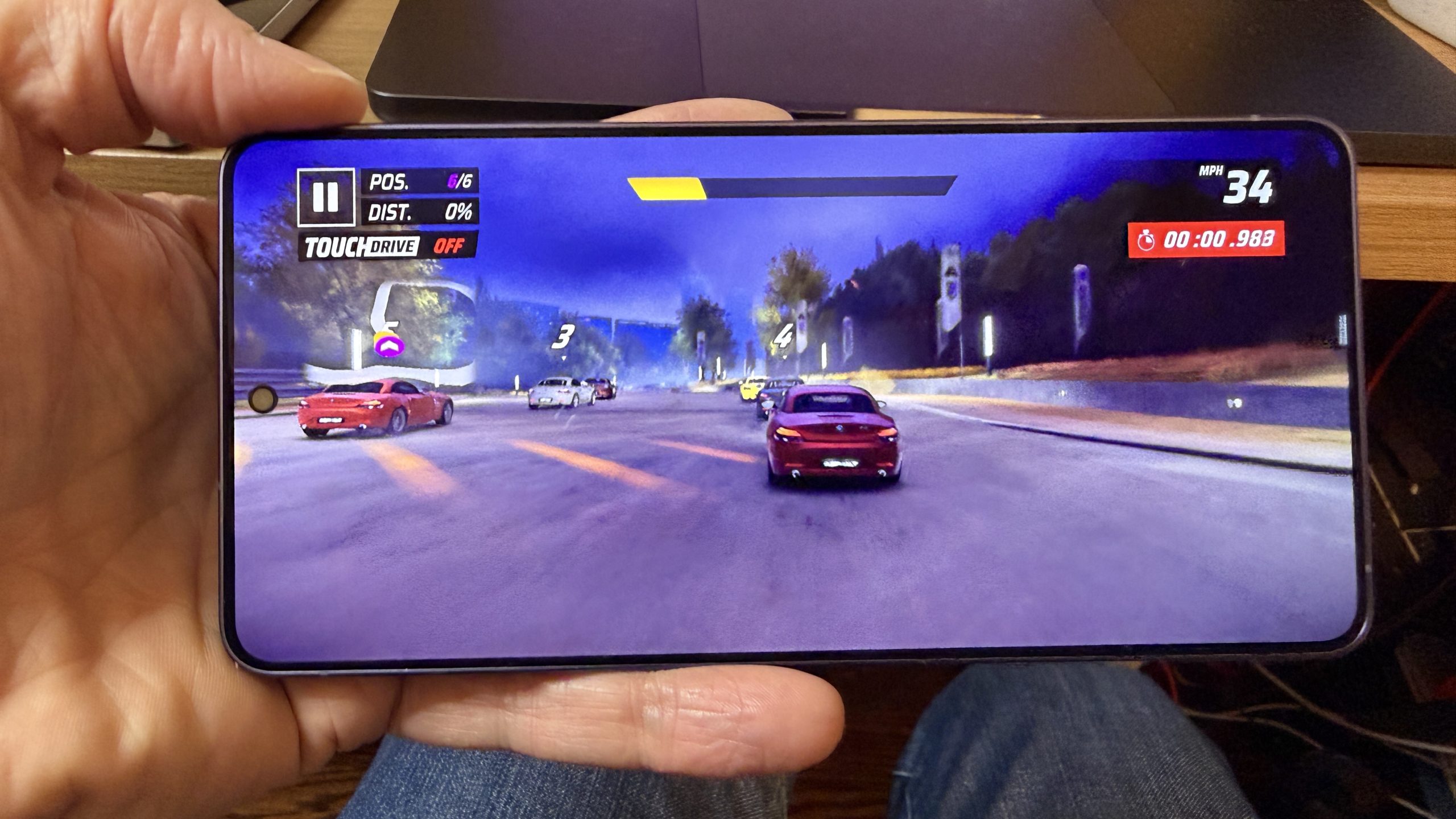
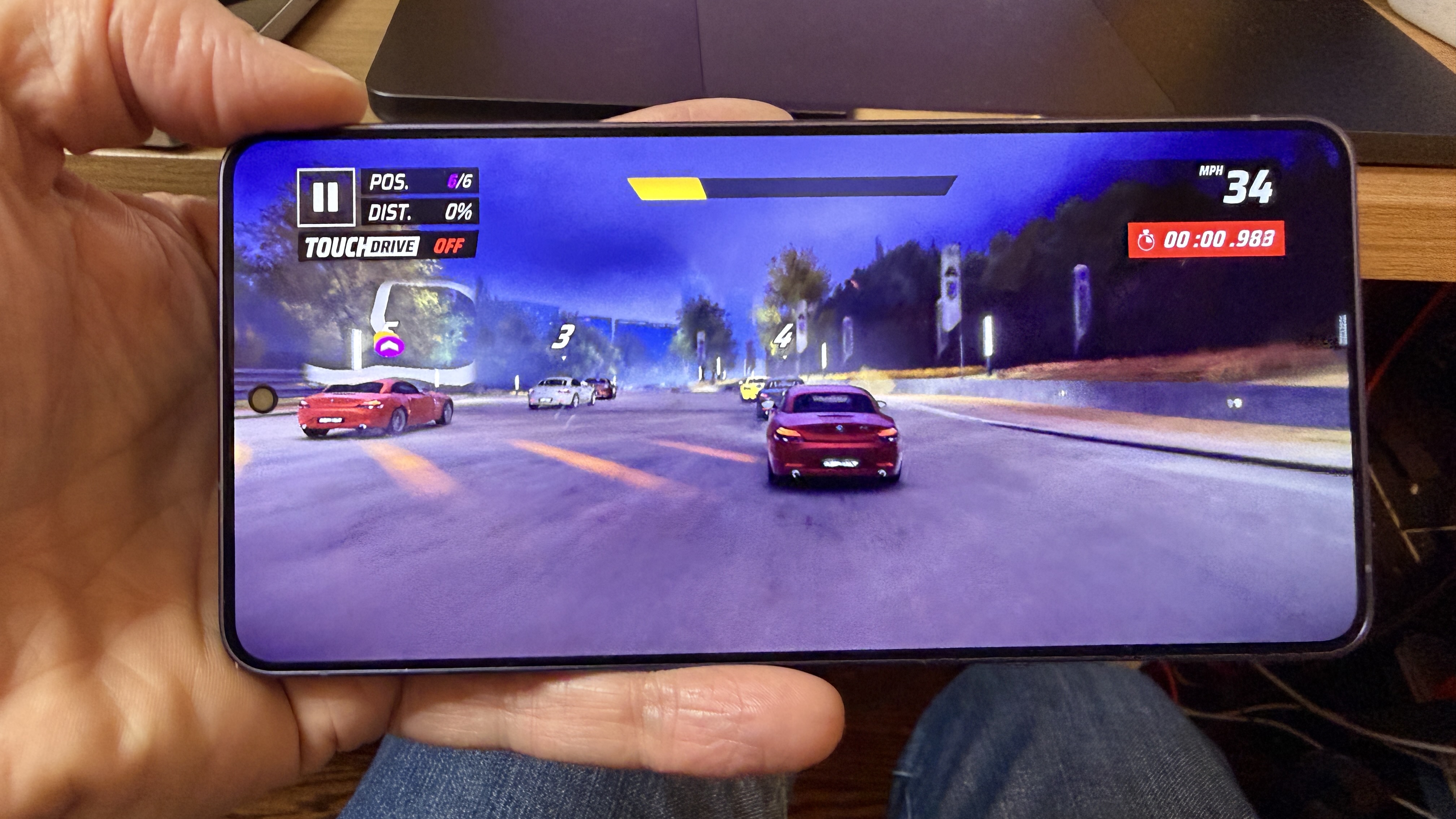
In the continuously changing realm of smartphone innovation, the Samsung Galaxy S26 Ultra has become a focal point of discussion, not only due to its remarkable attributes but also because of a surprising find. A recent article from Tom’s Guide has pointed out a possible concern with the S26 Ultra’s display, which might not be as luminous as its forerunner, the S25 Ultra. This unforeseen revelation has prompted many to speculate whether the very feature we’ve been enthusiastic about, the Privacy Display, is behind this decrease in brightness.
What You Should Know
1. A report from Tom’s Guide indicates that, following a lab evaluation, the Galaxy S26 Ultra’s display is less bright than the S25 Ultra even when Privacy Display is turned off.
2. There is a possibility that the technology employed to develop the Privacy Display is responsible for the decline in peak brightness of the new Ultra.
3. The hardware-integrated Privacy Display prevents onlookers from viewing your notifications, your full display, and much more.
When juxtaposed with the Galaxy S25 Ultra, the Galaxy S26 Ultra’s display exhibits a reduction in peak brightness from 1,860 nits to 1,806 nits. While this disparity may appear minimal, it becomes increasingly evident at broader angles. The Privacy Display, a feature intended to shield your screen from prying eyes, is believed to be the reason for this decrease in brightness. Even when turned off, the S26 Ultra’s display continues to be dimmer than its predecessor.
Tom’s Guide emphasizes that applying a privacy screen protector can consistently darken a device’s display. Samsung has incorporated this idea at a hardware level for the S26 Ultra, possibly leading to the brightness reduction. Nonetheless, the Privacy Display remains a notable feature, enabling users to determine which sections of their screen are concealed from spectators.
The Event’s Highlight
Since the introduction of the Galaxy S26 series, the Ultra’s Privacy Display has garnered significant attention. This feature darkens specific aspects of the screen to stop others from accessing your content. Users have the capability to toggle it on and off, selecting which areas of their display to obscure. This groundbreaking feature is the first of its kind for smartphones, which typically require an external protector.
Android Central’s Derrek Lee had a direct encounter with the Galaxy S26 Ultra during its reveal. The Privacy Display was a key topic of discussion, with Samsung clarifying that it functions through the display’s pixel configuration, enabling enhanced viewing angles while ensuring privacy.
Android Central’s Opinion
John Velasco at Tom’s Guide conveyed a willingness to trade a bit of peak brightness for the Privacy Display on the Galaxy S26 Ultra. Even with the evident drop in brightness, the Privacy Display’s advantages may surpass this limitation. Experiencing the feature directly might alter viewpoints, and many could find the balance worthwhile.
In summary, while the Privacy Display could be responsible for a slight decline in brightness, its capability to safeguard user privacy might render it a valuable feature for many. As technology continues to progress, maintaining a balance between innovation and performance remains a critical challenge for manufacturers such as Samsung.