

### The Influence of Doomscrolling on Mental Well-Being
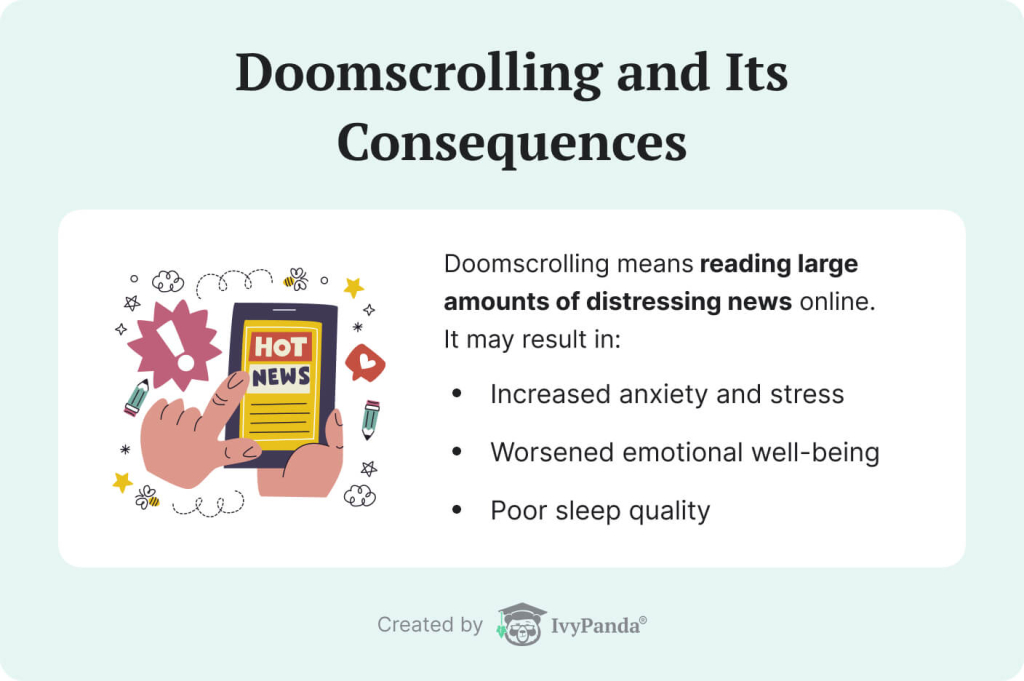
Doomscrolling, the habit of obsessively consuming negative news and upsetting content, has been associated with several negative consequences on mental well-being. This behavior can be especially tough to resist in times of global emergencies, yet it is vital to consider its effects on our mental state.
A recent meta-analysis titled *The Effect of Doomscrolling on Mental Well-Being* consolidates insights from 17 empirical investigations, indicating strong correlations between doomscrolling and mental health challenges such as anxiety, depression, stress, and a decrease in resilience. The analysis underscores that excessive intake of negative information can induce various forms of psychological distress.
Media psychology expert Reza Shabahang highlights the traumatic risks associated with doomscrolling, pointing out that trauma can stem not only from direct personal encounters but also from ongoing exposure to unsettling news. This persistent interaction with negative content may provoke acute stress reactions and symptoms similar to post-traumatic stress disorder (PTSD), resulting in a nervous system that finds it difficult to achieve tranquility.
The inclination to doomscroll is often intensified by uncertainty in times of crisis, as individuals may feel driven to seek additional information. Nevertheless, this behavior generally results in heightened stress instead of clarity.
To tackle doomscrolling, individuals can implement various strategies:
1. **Designate News Consumption Times**: Allocate specific periods for news consumption and restrict both the frequency and length of these intervals.
2. **Turn Off Notifications**: Deactivate alerts and badges from news apps to lessen the urge to check for updates frequently.
3. **Limit Usage of Infinite Scroll Applications**: Minimize or eliminate the use of apps that utilize infinite scrolling, which can promote extended engagement with negative information.
Adopting these strategies can help alleviate the repercussions of doomscrolling and foster improved mental well-being. Personal initiatives, such as a news and notification cleanse, can also act as effective techniques to regain authority over news intake.
In conclusion, while the desire to remain informed during crises is understandable, it is crucial to acknowledge the potential mental health dangers linked with doomscrolling and take constructive measures to regulate this behavior.