
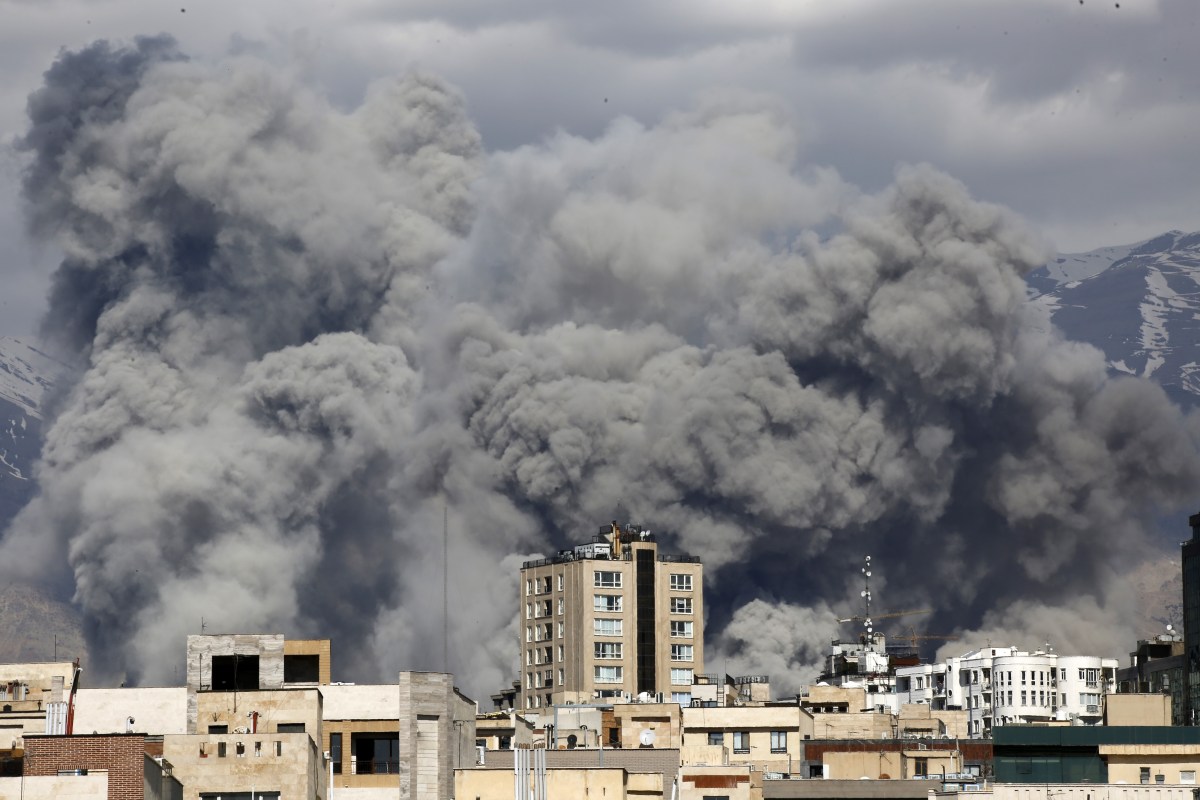

On Saturday, U.S. and Israeli jets launched a bombing campaign against Iran, resulting in the death of its supreme leader Ali Khamenei and several senior government officials. The strikes also targeted various military and civilian locations across the country, including a girls’ school where at least 168 children and adults were killed.
Reports and statements from government officials indicate that cyber operations significantly influenced the onset of the war. This emphasizes that in modern times, hacking is a crucial component of real-world conflicts, supporting kinetic attacks, providing intelligence, and being used in psychological operations.
The most direct evidence of cyber involvement came from U.S. Chairman of the Joint Chiefs of Staff Gen. Dan Caine, who confirmed that “coordinated space and cyber operations effectively disrupted communications and sensor networks” in Iran before the attack, leaving the country without the ability to coordinate or respond efficiently. Caine noted the aim was to “disrupt, disorient, and confuse the enemy.”
In a coordinated kinetic-cyber operation example, Israel initially bombed the offices of two state-owned IRIB channels. The Israel Defense Forces then hijacked the broadcast to air speeches by Donald Trump and Israeli Prime Minister Benjamin Netanyahu, encouraging Iranians to fight against the regime. A similar incident occurred in January involving one of the channels.
Regarding the operation to eliminate Khamenei, Israeli spies reportedly utilized information from hacked traffic cameras in Tehran. According to The Financial Times, citing anonymous sources, Israel had long accessed the camera network and deeply penetrated mobile phone networks.
Unattributed cyberattacks, possibly by U.S. or Israeli hackers, have also been reported. On the war’s first day, hackers breached the Iranian prayer app BadeSaba Calendar, broadcasting messages urging users to surrender or join liberation forces for a free Iran. These messages were part of a psychological operation to sway pro-regime individuals.
Iranian hackers have so far struggled to respond effectively, according to Bloomberg. While these operations might be real, their significance in the conflict may be exaggerated since war primarily involves physical attacks. Authorities might amplify cyber operations’ impact to intimidate the enemy, as seen previously in Venezuela, where U.S. officials implied cyberattacks, rather than airstrikes, caused power outages.