

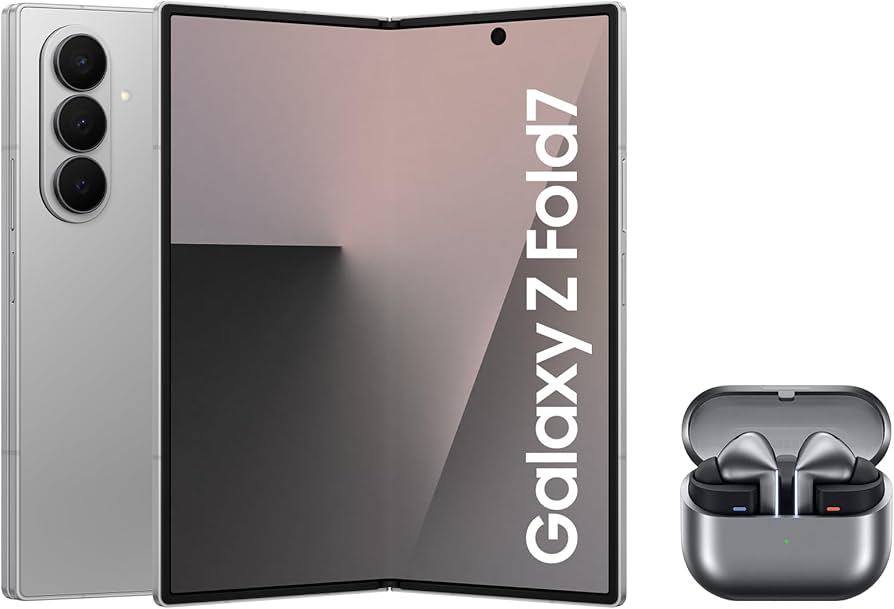
At MWC 2026, Samsung presented a cutting-edge simulator intended to evaluate the resilience of its foldable phone screens by firing golf balls at them. This showcase emphasized the durability of Samsung’s newest foldable OLED panels, which incorporate a novel shock-resistant design, improved glass toughness, and a titanium rear cover. The present Galaxy Z Fold 7 has a durability rating of 500,000 folds, more than twice that of its forerunner, the Galaxy Z Fold 6.
Samsung’s foldable devices have markedly progressed since the first Galaxy Z Fold encountered durability concerns in 2019. The company has made advances in tackling these issues, as illustrated by the remarkable performance of its foldable displays during the simulator demonstration. At CES 2026, Samsung had previously illustrated the toughness of its displays by resisting impacts from basketballs. The golf ball simulator at MWC 2026 elevated this durability testing, with the foldable screens enduring repeated strikes without incurring damage.
The Samsung Galaxy Z Fold 7, released last year, features an “Ultra Thin Glass” layer that is now 50% thicker, along with a flattening structure that equally disperses shock across the screen. A titanium backing plate further boosts rigidity and shock resistance, ensuring the device can endure real-life drops and impacts.
While Samsung is at the forefront of foldable display durability, there remains an opportunity for enhancement in overall phone durability, especially in attaining improved dust resistance. The upcoming model, the Galaxy Z Fold 8, could gain from an IP68 or IP69 rating. Nevertheless, the Galaxy Z Fold 7 has demonstrated its durability through extensive usage, making it a trustworthy option for consumers.