
The memorandum of understanding between Uber, Wayve, and Nissan represents Uber’s first autonomous vehicle partnership in Japan, positioning Tokyo as a key city in a global initiative spanning ten locations. Tokyo’s demanding driving conditions make it an ideal testing ground. The alliance aims to develop a robotaxi service in Tokyo, with initial deployments set for late 2026, pending regulatory approval. Nissan LEAF vehicles equipped with Wayve’s AI Driver will be used, with a safety operator present initially. Uber plans to launch the service with a licensed taxi partner. This move progresses Wayve’s commercialization, marked by a recent $1.2 billion Series D funding round. Uber commits $300 million for robotaxi rollouts across Wayve’s network, with Tokyo being the second confirmed city after London. Wayve’s AI Driver, which operates without high-definition maps, claims a zero-shot driving capability. The Tokyo pilot will serve as a testing ground for Nissan’s upcoming ProPILOT system, with consumer models expected by 2027. Uber uses a licensed-partner model in Japan, aligning with its regulatory framework, and the robotaxi initiative fits well within this structure. The partnership is seen as a long-term commitment to expanding autonomous mobility. However, deployment is contingent on regulatory discussions, emphasizing safety as a crucial factor. Success in Tokyo could pave the way for broader implementation of Wayve’s technology.
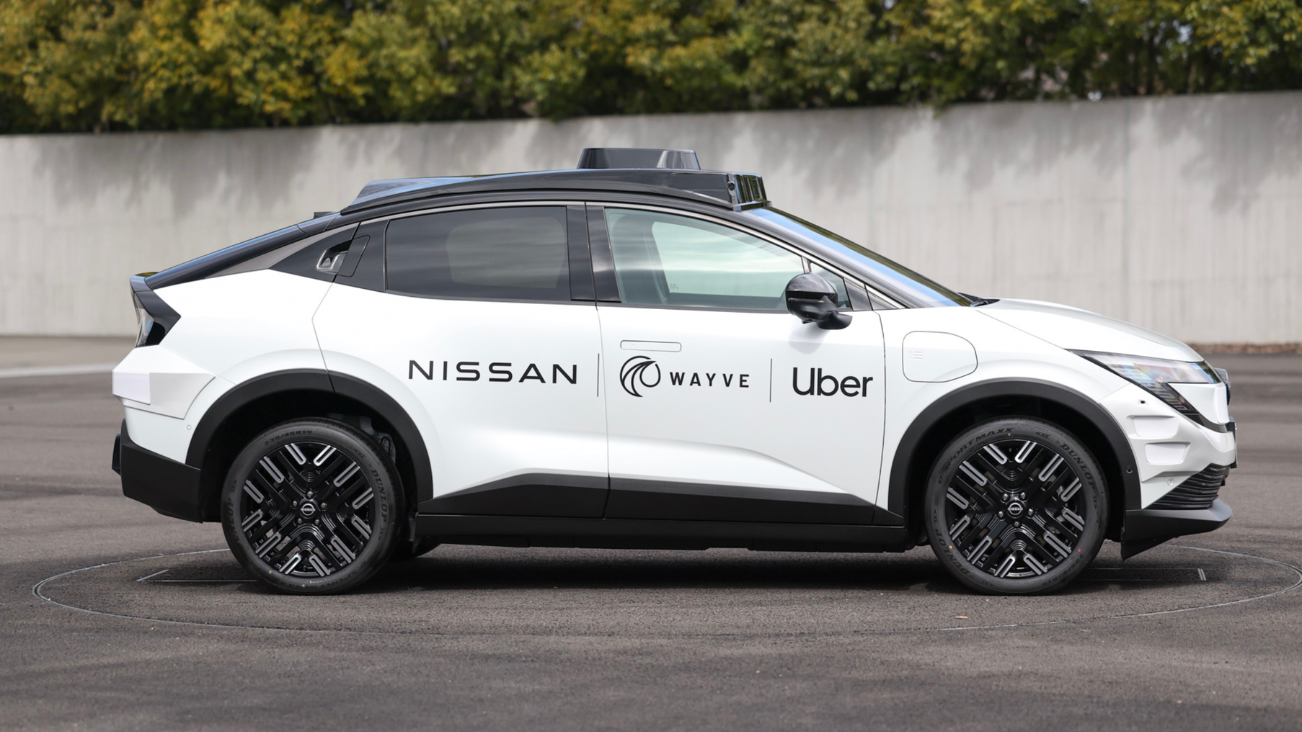
Robotaxis to be Introduced in Tokyo by Uber, Wayve, and Nissan

2 Min Read