

In 2010, Warren Buffett and Bill Gates introduced the Giving Pledge, a campaign urging the world’s wealthiest individuals to commit to donating over half their fortunes during their lifetimes or upon passing. The momentum of new billionaire creation, especially within the tech sector, raised questions about their wealth’s societal impact. However, while those fortunes materialized, the charitable giving did not keep pace.
The wealth disparity grows ever more apparent, with the top 1% of U.S. households now holding as much wealth as the bottom 90% combined, the highest level since 1989 according to Federal Reserve data. Globally, billionaire wealth surged 81% since 2020, reaching $18.3 trillion, while one in four people globally face food insecurity.
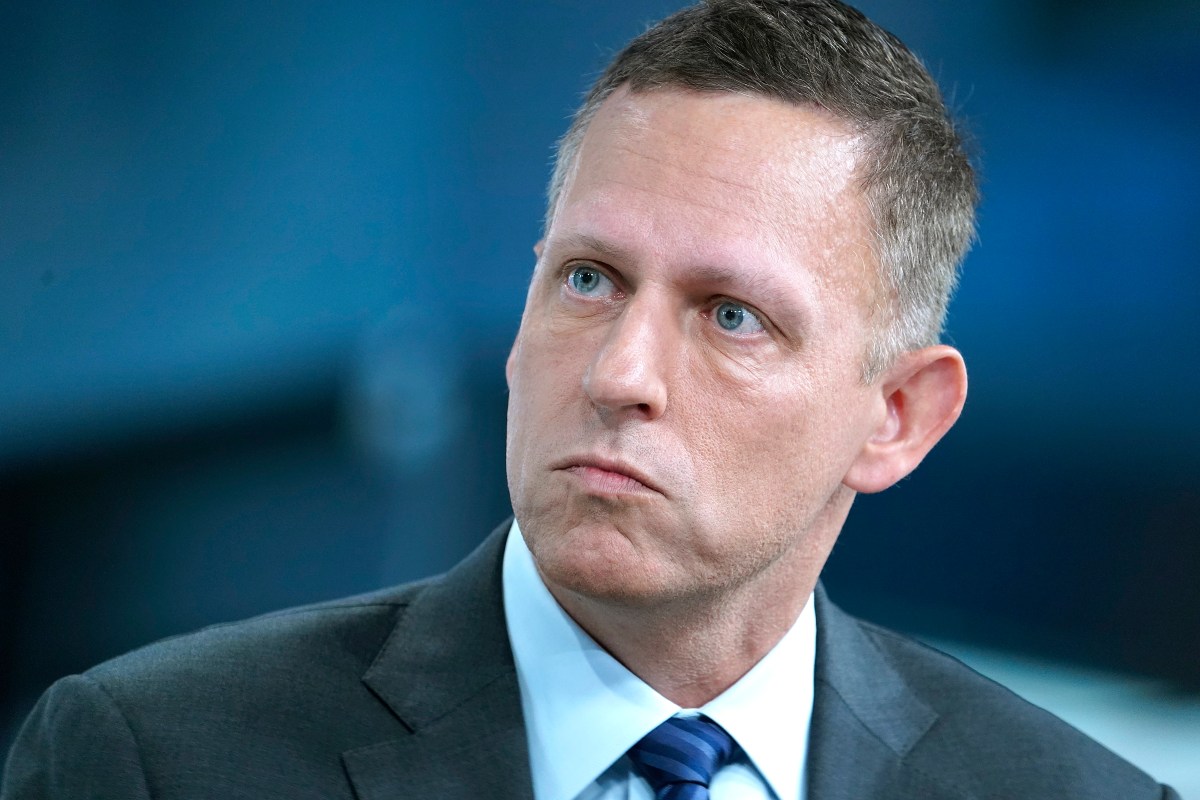
In this context, the wealthy are reconsidering their commitments to this non-binding promise. As reported by the New York Times, the Giving Pledge saw a dwindling number of new signers over the years, dropping from 113 families initially to just four in 2024. Notable signatories include Sam Altman, Mark Zuckerberg and Priscilla Chan, and Elon Musk. Yet, as Peter Thiel remarked, the Pledge’s influence has waned significantly and is perhaps perceived negatively.
Silicon Valley’s idealism has been critiqued over the years, notably by the HBO series “Silicon Valley,” which lampooned the industry’s self-image of “making the world a better place.” The show affected corporate behavior, with companies moving away from such rhetoric. However, the tension between idealistic values and libertarian principles persists.
Roger McNamee reflects on the shift: those who sought to better the world found themselves displaced by those focused solely on profit. This libertarian mindset is evident beyond Silicon Valley, even influencing government policy.
Differing views on philanthropy exist. For some, the libertarian perspective rejects the notion of “giving back” as a social pressure, instead valuing entrepreneurial contributions to society.
Peter Thiel, a vocal critic of the Pledge, has encouraged others to reconsider their commitments, suggesting it coerces signatories. For example, when Coinbase CEO Brian Armstrong quietly withdrew from the Pledge, Thiel congratulated him.
Thiel argues that public pressure forces some Pledge signatories to stay, claiming they feel “blackmailed.” Yet, prominent figures like Musk and Zuckerberg have withstood public scrutiny, casting doubt on Thiel’s view.
As economic strains rise, platforms like GoFundMe see increases in campaigns for essentials like housing and food. Although directly connecting these trends to philanthropy boardroom decisions is speculative, the timing is notable.
While some wealthy philanthropists adjust their giving strategies, like the Chan Zuckerberg Initiative’s shift in focus, others, like Bill Gates, plan to donate nearly all their wealth within decades, leaving a lasting philanthropic legacy.
Historically, wealth disparity has prompted policy-driven corrections, not philanthropic work alone. The rapid accumulation of fortunes alongside cuts to social safety nets highlights significant inequality.
The Giving Pledge began as a “moral pledge,” reliant on personal accountability. That adherence to this pledge might now be seen as coercive reflects broader shifts in societal values.