
Nvidia’s latest AI upscaling technology, DLSS 5, introduced during the GTC conference, can alter a game’s lighting and materials, sparking mixed reactions. While some see the update as a significant leap in visual realism blending handcrafted rendering with AI, others criticize its impact on artistic integrity, referring to it as “AI slop.” Supporting games show a dramatic boost in lighting and shadows, utilizing generative AI to enhance material details. Nvidia’s AI model comprehends complex scenes, generating precise images that manage intricate elements like skin and fabric sheen while maintaining the scene’s original structure. However, this can result in noticeable changes to character models, as seen in examples like Resident Evil Requiem and Starfield. DLSS 5 operates in real-time at up to 4K resolution, offering options for developers to control the tool’s impact. While some game developers express disappointment, Nvidia emphasizes the technology’s capacity to honor artistic intent by offering developers detailed control over enhancements. DLSS 5 is set to launch this fall, with compatibility confirmed for titles including The Elder Scrolls VI: Oblivion remake and Assassin’s Creed Shadows.
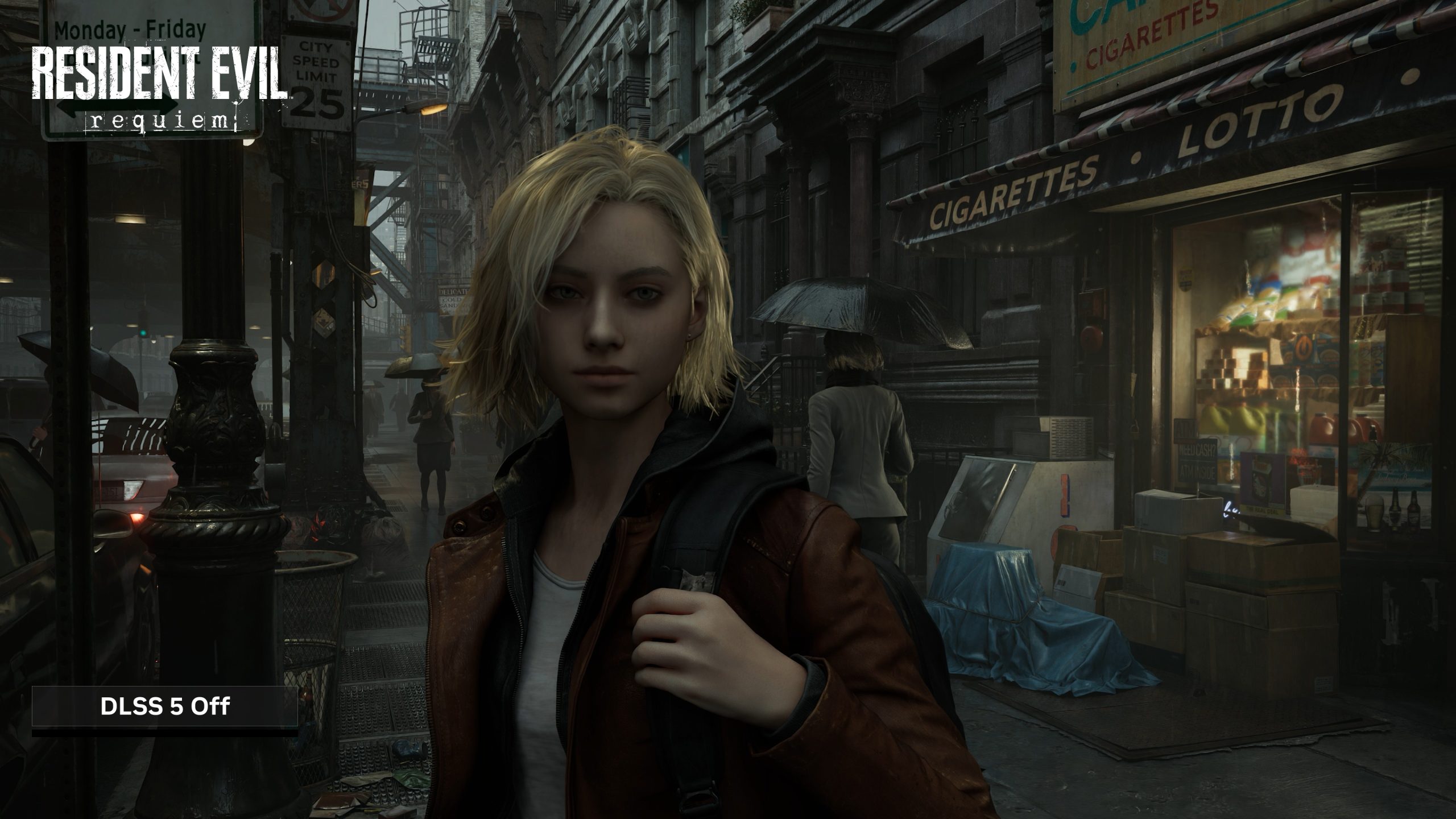
DLSS 5 Resembles a Real-Time Generative AI Filter for Video Games

1 Min Read