

Electricity is vital for artificial intelligence, yet new processing techniques exceed the capacity of data center operators to handle their power grid relationship, causing up to a 30% reduction in operations.
“There is a substantial power wastage in these AI factories,” stated Nvidia CEO Jensen Huang during a speech at the company’s GTC customer conference. “Every unused watt is revenue lost,” the company declared during the presentation.
Today, start-up Niv-AI has launched with $12 million in seed funding to tackle this issue by accurately measuring GPU power usage using new sensors and creating tools for more efficient management.
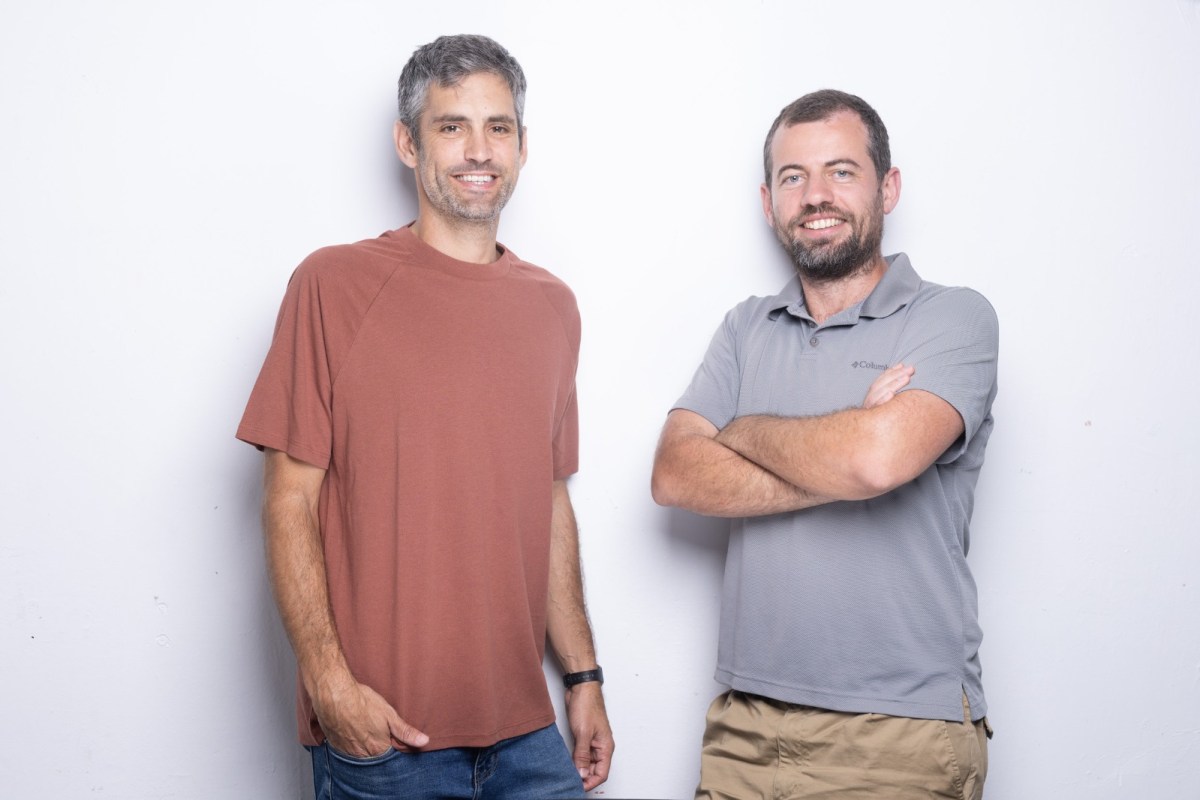
Tel Aviv-based Niv-AI was founded last year by CEO Tomer Timor and CTO Edward Kizis, supported by Glilot Capital, Grove Ventures, Arc VC, Encoded VC, Leap Forward, and Aurora Capital Partners. The company did not disclose its valuation.
Frontier labs operate thousands of GPUs together to train and run advanced models, creating frequent, millisecond-scale power demand surges as processors switch tasks and communicate with other GPUs.
These surges make managing power from the grid challenging for data centers. To ensure sufficient electricity, data centers either pay for temporary energy storage or throttle GPU usage—both reducing ROI on costly chips.
“We can’t keep building data centers in the same way,” said Lior Handlesman, a partner at Grove Ventures and Niv board member.
Niv’s first step is to deploy rack-level sensors to detect millisecond-level GPU power usage on owned GPUs and with design partners. The objective is to understand power profiles of various deep learning tasks and develop mitigation techniques to unlock more existing capacity in data centers.
Engineering teams anticipate building an AI model based on collected data to train it to predict and harmonize power loads across the data center, acting as a “copilot” for engineers.
Niv aims to have an operational system in select US data centers within six to eight months. This is appealing as hyperscalers face challenges with land-use and supply chain for new data centers. The founders envision their product as a crucial “intelligence layer” between data centers and the electrical grid.
“The grid is actually fearful of data centers consuming excessive power at specific times,” Timor told TechCrunch. “The problem is dual-faceted. One is helping data centers maximize GPU use and power they already pay for. Conversely, it’s about establishing more responsible power profiles between data centers and the grid.”