
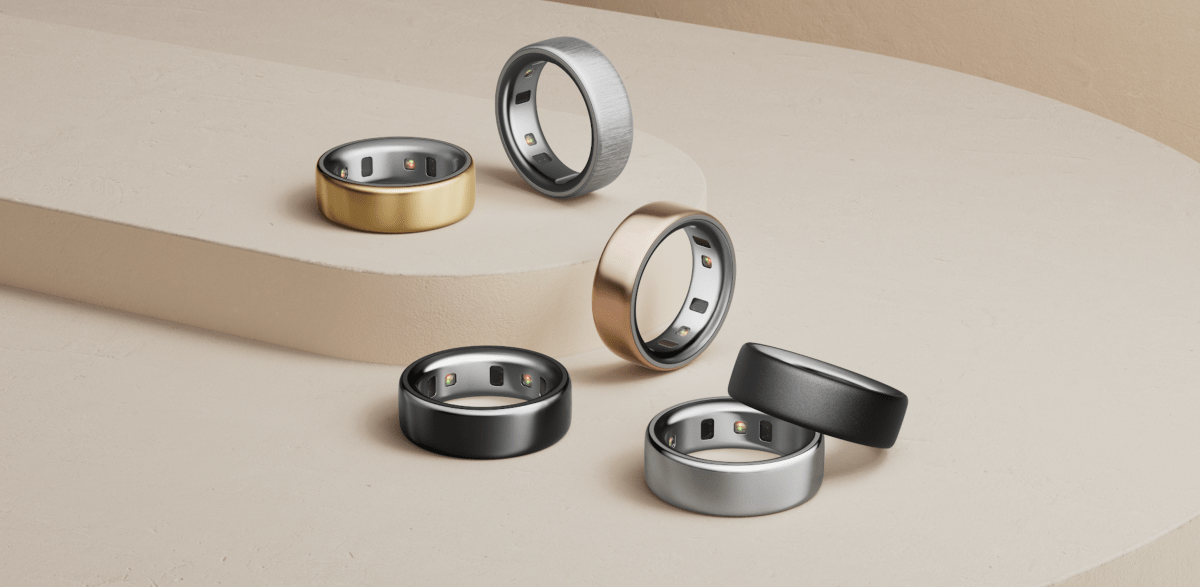

Finnish smart ring maker Oura is launching in India, competing with local rivals like Ultrahuman in a young, price-sensitive smart ring market. Oura’s Ring 4 is priced from ₹28,900 (around $313) to ₹39,900 (around $432), with a ₹599 (about $6) monthly membership. In contrast, Ultrahuman’s Ring Air costs ₹28,499 (around $308), and its new Ring Pro is ₹42,990 (about $465).
India’s smart ring market is small, with shipments falling 30.6% in 2025 compared to the previous year and average prices declining 8.7% to $159.7, as lower-cost brands expand. The market remains niche, with limited awareness and high prices despite lower-cost options, says IDC analyst Vikas Sharma. Initial momentum wasn’t sustained due to muted marketing and limited competition, he noted.
Ultrahuman led India’s smart ring market last year with a 30.4% share, followed by Gabit at 18.3%, according to IDC. Oura positions the Ring 4 as a premium health device with hardware and a subscription service offering personalized health insights, distinguishing it from local competitors who focus on price.
The rivalry between Oura and Ultrahuman also spans beyond India. Oura’s lawsuit against Ultrahuman in the U.S. affected the Ring Air’s sales there. Ultrahuman redesigned the Ring Pro to bypass Oura’s patents and submitted it to U.S. Customs for approval.
Oura released a report on sleep patterns in India, showing users average six hours and 28 minutes of sleep per night, below recommended levels, with less time in restorative stages compared to global averages. This highlights both the opportunity and challenge in India: rising health awareness doesn’t guarantee demand for premium, subscription-based devices in a price-sensitive market. Demand scaling will depend on more brands entering the market, diversifying pricing and positioning, Sharma said.