
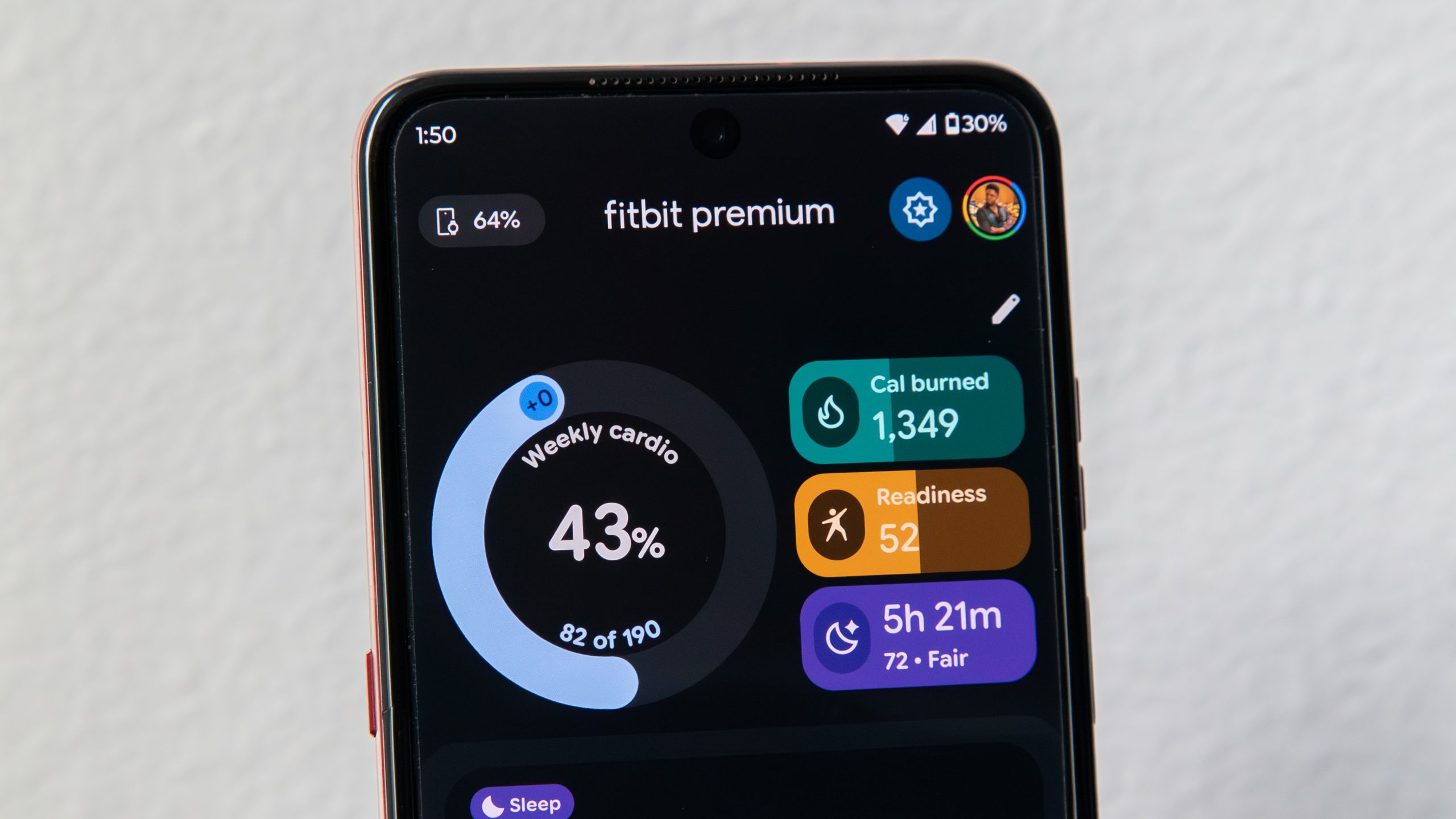

Google is progressing in the integration of personal health information with its Fitbit application, with the goal of establishing a more all-encompassing health monitoring experience for its users. This undertaking will enable users to connect their laboratory results, medications, and visit history directly to their Fitbit profile, thereby enhancing the customization of health coaching that the app offers.
The integration forms part of a larger update to the Fitbit Personal Health Coach, fueled by Google’s Gemini AI. This enhancement not only boosts sleep tracking precision by 15% but also adds the ability to distinguish between genuine sleep and moments of being awake. The updated sleep algorithms are crafted to present a more precise depiction of users’ sleep behaviors, including awakenings, naps, and shifts between various sleep stages.
Beginning next month, users in the U.S. participating in the Public Preview will have the opportunity to connect their medical histories to the Fitbit application. This capability is made feasible through partnerships with b. well, an AI health data platform, and CLEAR, an identity verification provider. Users can link to their healthcare provider’s portal or utilize a CLEAR selfie for retrieving records, depending on compatibility with their provider.
Moreover, the application will soon accommodate continuous glucose monitoring (CGM) via Health Connect, enabling users to monitor how different activities and food intake influence their glucose levels. Google is also committing resources to health research, including investigations into insulin resistance and hypertension, to further improve the application’s functionalities.
Although these developments offer the potential for a more tailored health experience, they also bring privacy issues to the forefront. Google assures users that their information is securely stored and not utilized for advertising purposes. Nonetheless, the merging of sensitive health information with a technology giant renowned for its advertising sector may lead users to approach with caution.