
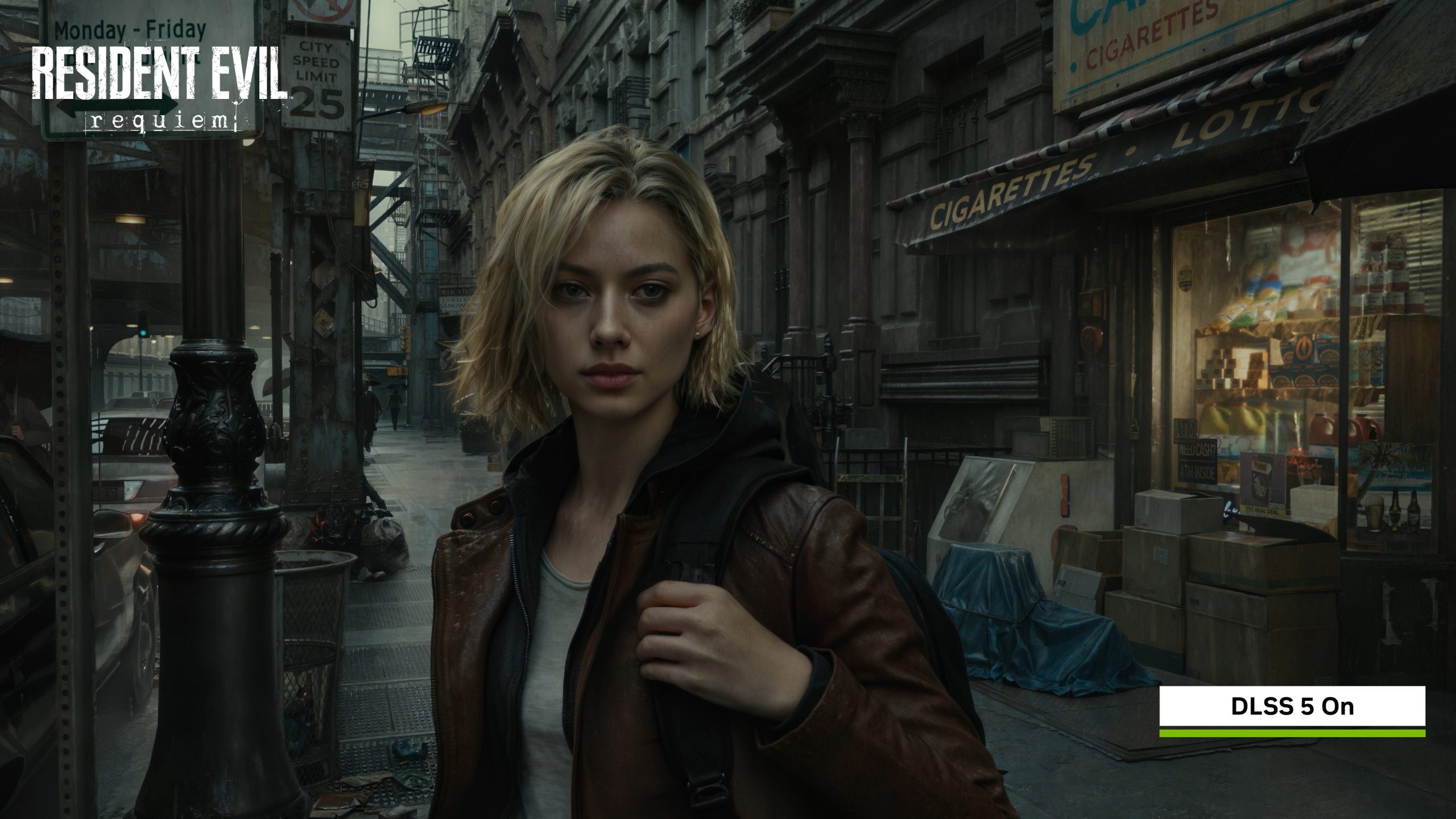
The company at the forefront of AI and gaming should have anticipated the reaction. Nvidia intended to improve gamers’ experiences by enhancing the appearance of video game characters but ended up demonstrating how disconnected it has become from its audience. Instead of marketing the DLSS 5 real-time lighting technology as a way to advance future games, Nvidia upset gamers by criticizing existing games. The company’s focus on modifying characters’ faces led to backlash, prompting Nvidia’s CEO to defend the changes. The technology, regardless of its function, resembles an AI filter attempting to refine everything, at the expense of artistic integrity. Gamers question the unnecessary changes, such as turning a young student into a mature-looking soap opera star or aging characters further. One driving factor appears to be Nvidia’s massive market value as an AI company, but the technology might also appeal to a less positive crowd unhappy with character designs. Critics warn that this approach risks making all games look the same. Nvidia’s efforts at damage control included statements from PR and game developers emphasizing artistic control, yet skepticism remains about whether artists genuinely have a say in these decisions. Nvidia’s failure to foresee the backlash, reminiscent of past controversies, is puzzling. Instead of improving current games, the technology could have been positioned to revolutionize future gaming experiences. Gamers have noticed diminishing returns in graphical advancements, yet Nvidia’s tech hints at potential leaps in photorealism. However, the direction Nvidia has taken detracts from the potential benefits. The company should have marketed this tech as enhancing future games, unveiling groundbreaking demos instead of controversial tweaks. Missed opportunities aside, Nvidia remains a powerful force in the AI space, but its alignment with gamer interests is in question.
Nvidia’s Disconnect with Gamers

2 Min Read