

The Cologne startup utilizes a simulation-first method by training robots in virtual greenhouses before deploying them in real environments, addressing a longstanding challenge in the industry.
The greenhouse automation market is littered with the remnants of many promising startups. This engineering challenge is notably complex: harvesting crops like tomatoes or cucumbers involves handling irregularly shaped, delicate, densely-packed produce in a humid setting, with each plant differing and layouts varying seasonally.
Several enterprises have developed robots that succeed in controlled demonstrations but falter at a commercial level. Bridging the gap between “lab success” and “consistent 22-hour daily operation in real grower environments” has been a formidable hurdle.
Renji John has previously tackled this issue. He co-founded Honest AgTech, a Dutch startup focused on autonomous greenhouse robots, which declared bankruptcy in July 2023 due to liquidity issues.
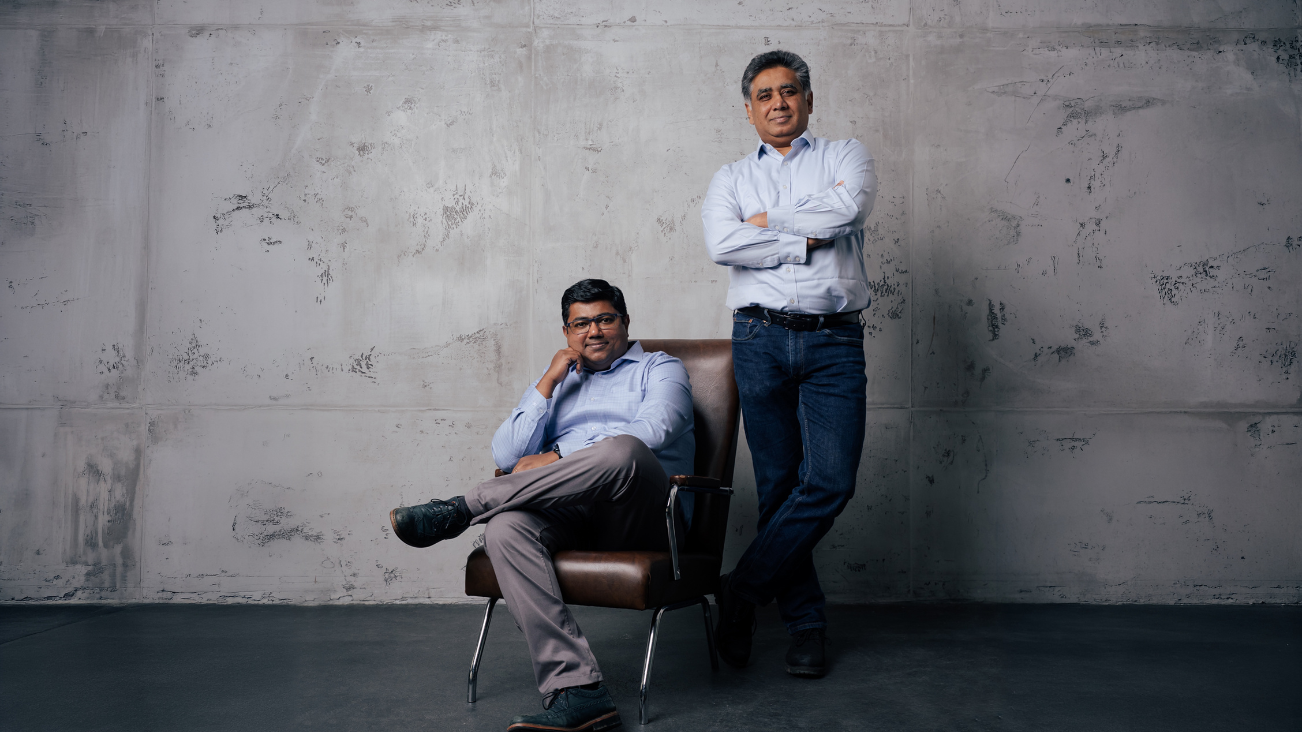
He is now making a second attempt. Eternal.ag, the German agritech startup co-founded with Sherry Kunjachan in 2025, announced an €8 million fundraise from Simon Capital, Oyster Bay Venture Capital, EquityPitcher Ventures, and Backbone Ventures. The company is based in Cologne, with an office in Bengaluru.
The key technical differentiation this time is their development methodology. Eternal.ag employs simulation-first development, constructing and testing robots within virtual greenhouses supported by NVIDIA Isaac Sim before deploying hardware in actual settings.
This approach is claimed to significantly reduce iteration cycles from months to days, allowing for inexpensive failure case testing in software instead of costly trials with physical materials.
Upon deployment, every action performed by the robots feeds back into the system for continuous improvement. Claims regarding 22-hour operations and reduced iteration cycles remain unverified, though the strategy aligns with risk management practices of leading robotics firms.
The company’s initial commercial product is Harvester, an autonomous robot for tomato harvesting, designed to operate within an AI-powered system managing cut quality and produce consistency. This product is conceived as a modular platform with plans to expand to other greenhouse operations. Eternal.ag aims for complete greenhouse automation by 2040, eliminating the need for human operators.
Renji John’s background includes technology strategy work at Boston Consulting Group, an INSEAD MBA, and experience at Tata Consultancy Services. Sherry Kunjachan, the co-founder and CTO, lacks independently documented roles beyond press material.
The investment group is well-suited to the sector. Oyster Bay Venture Capital, based in Hamburg, with over €100 million in its second fund, is backed by the European Investment Fund and KfW. Their investments range from €1 to 5 million. Simon Capital in Düsseldorf, with holdings in waterdrop and Just Spices, and the Swiss EquityPitcher Ventures, along with Germany-based Backbone Ventures, are early-stage investment firms.
Niklas Leske, Principal at Simon Capital, stated, “Greenhouse horticulture is among the most efficient and sustainable methods for year-round fresh produce growth. Labour shortages threaten the industry, making robotics the sole sustainable solution for a decentralized, resilient food supply chain for future generations.”
Leske outlines a structural labor issue. European growers have long relied on seasonal workers from Eastern Europe and beyond. As this pool diminishes—reported to have shrunk by 30% since 2010—the real operational challenge intensifies, albeit unconfirmed. Greenhouses operate year-round and demand consistent labor for repetitive, physically demanding tasks, presenting compelling automation prospects despite previous execution challenges.
The €8 million will aid in speeding product development, expanding commercial deployments across Europe, and broadening the platform to other crops. For John, this second venture carries the insight from previous failures. The simulation-first strategy, modular design, and gradual crop expansion reflect a more deliberate approach compared to a rushed startup pace. Whether this caution translates to commercial success is yet to be determined.