

The U.S. and Europe face challenges with nickel, a critical mineral used in batteries, missiles, electronics, and steel. These regions struggle with mining and refining due to permitting and waste issues. Indonesia and China lead the refining process, with Chinese companies controlling 75% of the capacity in Indonesia, thus dominating over half the global supply.
With deteriorating relations with China, companies are exploring U.S.-based refining solutions. Megan O’Connor, CEO of Nth Cycle, told TechCrunch that her startup is developing an electrochemical system for refining nickel and other critical minerals like cobalt, copper, and rare earths. They began production in Ohio over a year ago and have a $1.1 billion deal with Trafigura to expand their capacity.
This deal highlights a shift in evaluating metal supply chains and the role of technology in transforming them. Currently, metal refining and recycling mostly occur overseas, with resources shipped mainly to China. O’Connor expressed the importance of keeping valuable materials domestically rather than buying them back.
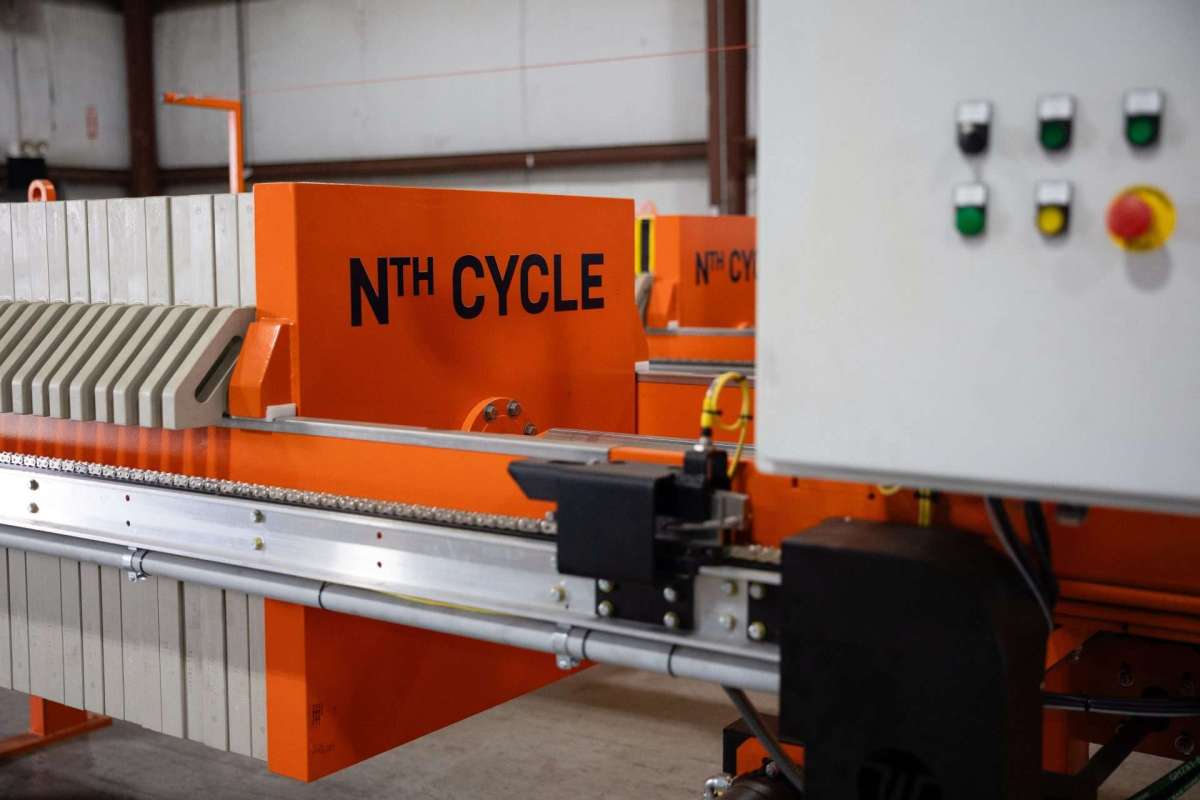
Nth Cycle’s modular, electric system is suggested as a solution, as traditional refining is too capital intensive for the U.S. The startup works with recyclers to source black mass from shredded batteries and nickel from the oil and gas industry. Their electrochemical system is significantly smaller than traditional methods, reducing capital expenditure and speeding profitability. Their system can operate profitably at 6,000 metric tons per year.
Although a surge of EV batteries for recycling isn’t expected until late in the decade, O’Connor believes there’s enough raw material in the U.S. and Europe for their new facilities in South Carolina and the Netherlands, which together can process 18,000 metric tons of scrap. Nth Cycle can adjust its process as material compositions change and add modules as battery waste grows to enhance U.S. refining capacity.