
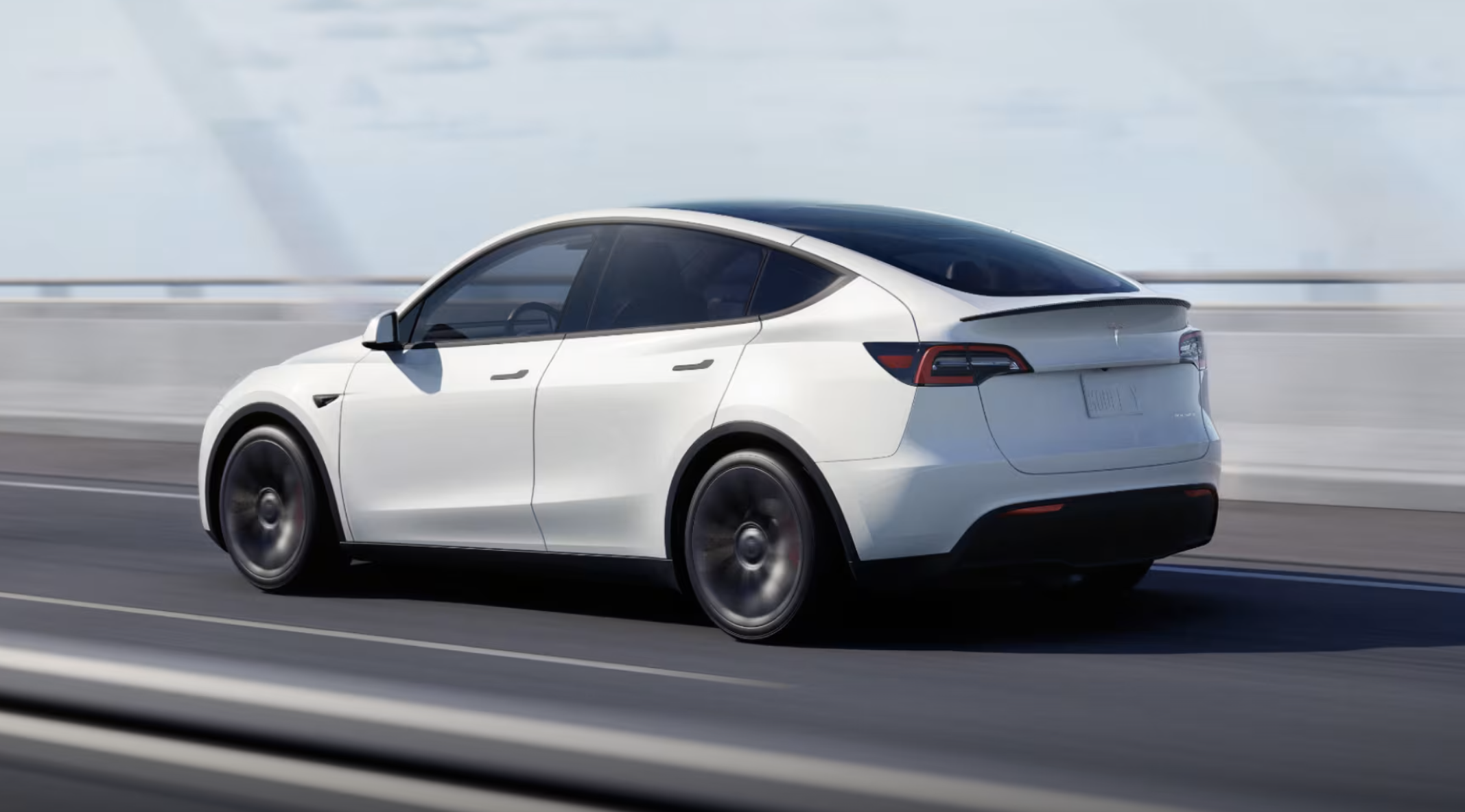

The National Highway Traffic Safety Administration (NHTSA) is expanding its investigation into Tesla’s Full Self-Driving (FSD) system due to concerns about safety during poor road visibility conditions. Tesla’s vehicles equipped with FSD have a “degradation detection” system designed to alert drivers to take control when the vehicle’s cameras cannot clearly see the road, especially in adverse weather.
NHTSA’s Office of Defects Investigation is conducting an engineering analysis, the final phase before a potential recall, to determine if the degradation detection system functions as intended following several safety incidents.
A March 18th NHTSA filing indicates the system “fails to detect and/or warn the driver appropriately under degraded visibility conditions such as glare and airborne obscurants.” In the reviewed crashes, the system failed to detect common conditions that hindered camera visibility and did not alert drivers until just before a crash.
Tesla initiated an update for the degradation detection system in 2024 after a 2023 fatal incident. However, the latest NHTSA filing indicates uncertainty about which vehicles received the update, although the update might have prevented some of the investigated incidents.
This investigation follows a 2024 probe into crashes occurring during poor visibility while using Tesla’s FSD. The prior NHTSA investigation that progressed to an engineering analysis led to two recall waves and updates affecting almost every Tesla sold in the US. Tesla CEO Elon Musk’s ambitions for a fully unsupervised FSD could face challenges if another recall is issued.