
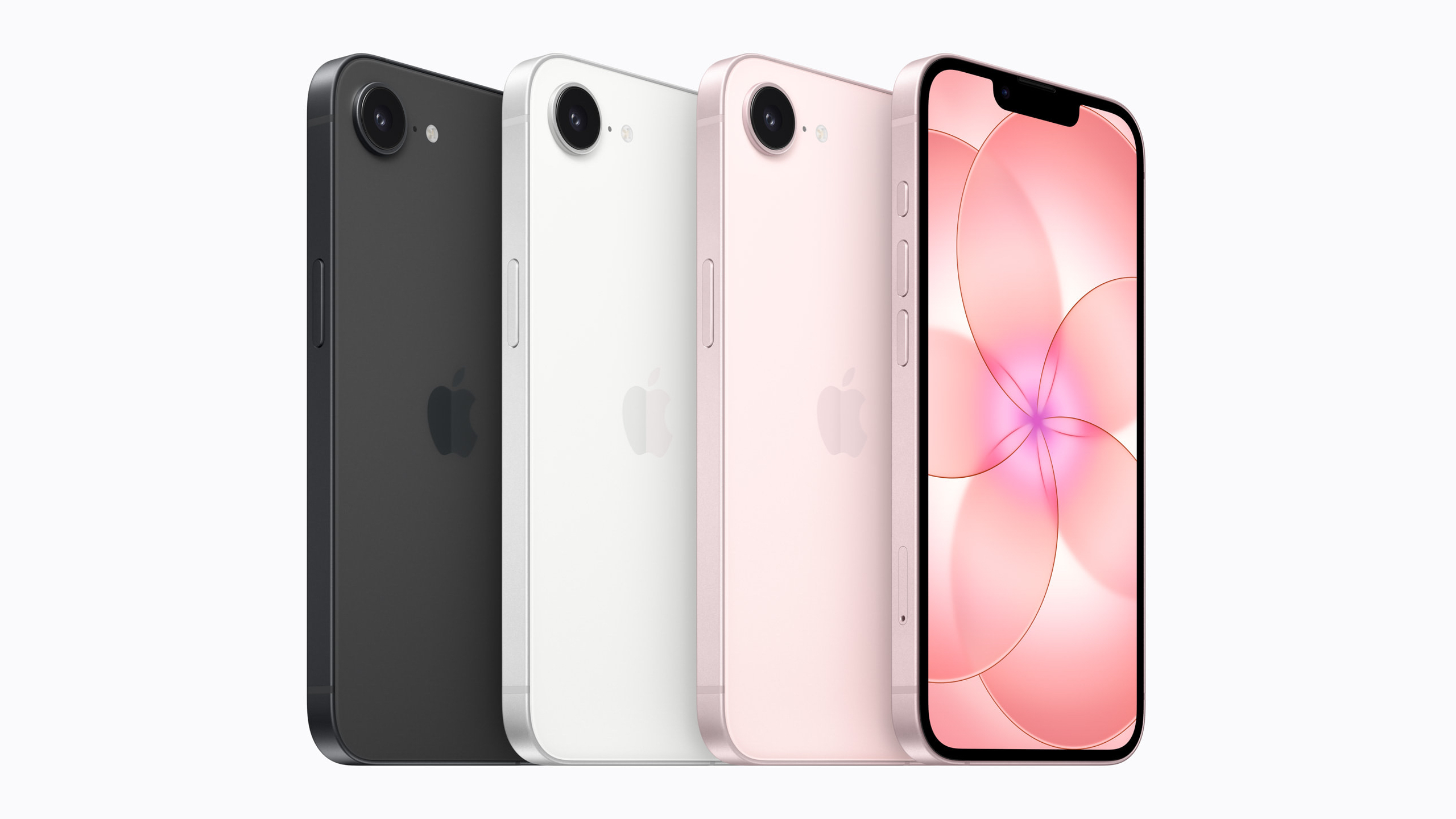

The iPhone 17e represents a remarkable value, yet Android offers its budget-friendly smartphones as well.
Apple is entering the midrange smartphone arena with the iPhone 17e, and this second-generation “iPhone e” version brings several significant enhancements. The device now has a starting point of 256GB storage, increased from 128GB, and sports a quicker Apple A19 processor. A critical feature has been addressed with the addition of MagSafe charging on the iPhone 17e at up to 15W. Overall, it’s a robust smartphone, despite a few compromises.
However, certain characteristics of the iPhone 17e may annoy Android users. It retains a notch, as opposed to a hole-punch or pill-shaped front-facing camera cutout, which significantly intrudes into the screen. Additionally, the display refresh rate is limited to 60Hz. There’s only a single rear camera, and while the 48MP sensor is quite competent, it cannot substitute for specialized ultrawide or telephoto lenses.
These are a few reasons that might deter you from fully embracing the iPhone 17e, even with its appealing $599 price tag. If you seek a more affordable option or simply crave more features, these four Android alternatives may provide better value or a more enhanced experience than the iPhone 17e.
Google Pixel 10a
No discussion about affordable Android phones can begin without mentioning the Google Pixel 10a. It sets the benchmark for value, with solid specifications, a straightforward design, and a lengthy software support commitment. The Pixel 10a may receive support for a longer period than the iPhone 17e since Apple generally promises five years of updates, whereas Google provides seven years of backing. Priced at $499, Google’s mid-range device is $100 less than the iPhone 17e.
The iPhone 17e excels over the Pixel 10a in several important aspects. It features the quicker Apple A19 processor, double the base storage, and MagSafe compatibility. Nevertheless, the Pixel 10a outshines the iPhone 17e in multiple ways, boasting a larger 6.3-inch display, a dual-camera array, a more substantial battery, and a perfectly flat back. Furthermore, not only is the screen bigger, but it also offers a 120Hz refresh rate and a considerably smaller camera cutout.
The comparison between iOS and Android often boils down to individual preference, but Google AI and Gemini have a clear edge over Apple Intelligence, giving the Pixel 10a an advantage over the iPhone 17e in this respect. At a price lower than the iPhone 17e, the Pixel 10a delivers much more of what truly counts in everyday smartphone use.
OnePlus 13R
The OnePlus 13R poses the strongest competition against the iPhone 17e in terms of performance. Both devices are priced identically at $599 and the OnePlus 13R holds its own just as well. It runs on a Snapdragon 8 Gen 3 processor delivering flagship-level performance and is equipped with a massive 6,000mAh battery. If you desire the largest midrange display, the OnePlus 13R features a 6.78-inch AMOLED screen that supports 120Hz refresh rates.
The camera system outperforms that of the iPhone 17e significantly as well. It comprises a triple-camera rear setup that includes a 50MP Sony LYT-700 main camera, a 50MP Samsung JN5 telephoto lens with 2x optical zoom, and an 8MP Sony IMX355 wide-angle lens. While there are areas where the OnePlus 13R’s cameras could be enhanced — such as the optical zoom range and ultrawide capabilities — it is undeniably more versatile than the iPhone 17e’s solitary 48MP rear camera.
You may wonder why the OnePlus 15R hasn’t been mentioned, and the explanation is straightforward. It comes at a $100 premium over both the iPhone 17e and OnePlus 13R, while also featuring shortcomings such as the absence of a telephoto camera. Opting for the older and more affordable OnePlus 13R is a better choice.
Moto G Stylus 2025
The Motorola Moto G Stylus 5G 2025 lacks the premium feel of some other models on this list, including the iPhone 17e.