

**AI Requirements Positioned to Propel Memory Demand Amid Reduced Low-Storage NAND Availability**
A recent analysis by TrendForce suggests that in spite of escalating NAND Flash prices and limited availability, the typical storage capacity of smartphones is anticipated to see a modest increase in 2026. This trend stands in contrast to previous forecasts that smartphone makers would lower specifications to preserve profit margins, which might have resulted in a decrease in average storage capacity.
As per TrendForce, the typical smartphone storage capacity is projected to rise by 4.8% in 2026, primarily driven by the growing need for on-device AI processing. Premium brands, especially Apple and Huawei, are advancing their AI functionalities through systems such as Apple Intelligence 2.0 and Huawei’s HarmonyOS AI. These sophisticated AI frameworks necessitate considerable system storage—ranging from 40 to 60 GB—as cache for local processing tasks.
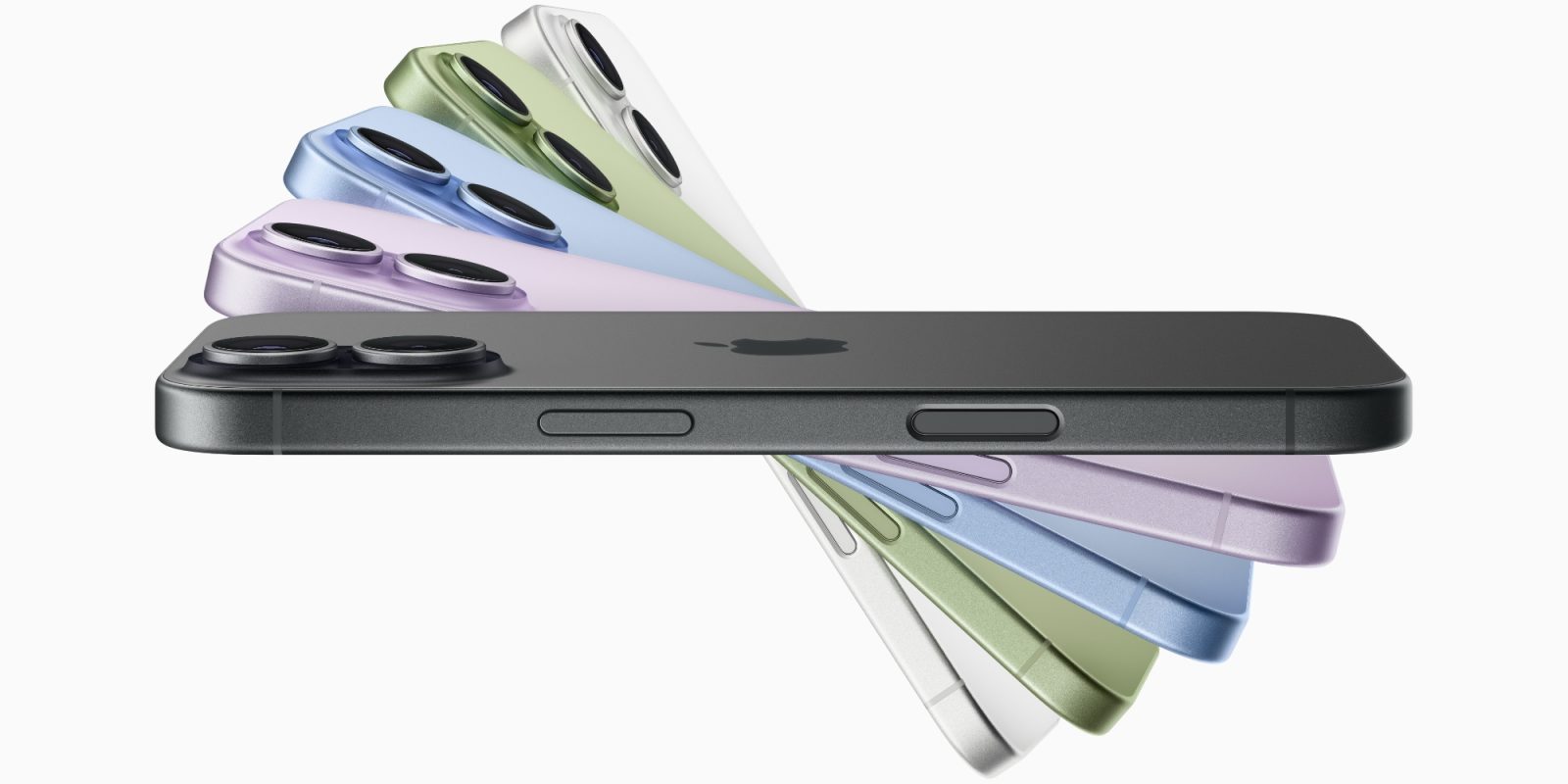
In a strategic decision, Apple phased out the base-level 128 GB iPhone last year, debuting the iPhone 17 series with a baseline storage of 256 GB. This choice was aimed at providing sufficient capacity for AI applications and user data. A comparable trend was noted with the recent launch of the iPhone 17e, which took the place of the iPhone 16e.
This alteration in storage capacity is not only due to AI requirements; it is also shaped by advances in the manufacturing processes of NAND Flash producers, leading to a gradual increase in smartphone storage capacities throughout the market.
The report underscores a disparity in storage capacity developments between iPhones and Android devices. TrendForce indicates that the average storage capacity for iPhones is projected to grow considerably quicker than that of Android devices, as premium smartphone manufacturers are more proficient at absorbing elevated memory expenses. These brands are augmenting storage capacities to accommodate higher device pricing and enrich AI functionalities.
For more information, you can view TrendForce’s full report [here](https://www.trendforce.com/presscenter/news/20260323-12983.html).