

**Apple’s Integrated Business Solution: A Revolutionary Shift for Companies**
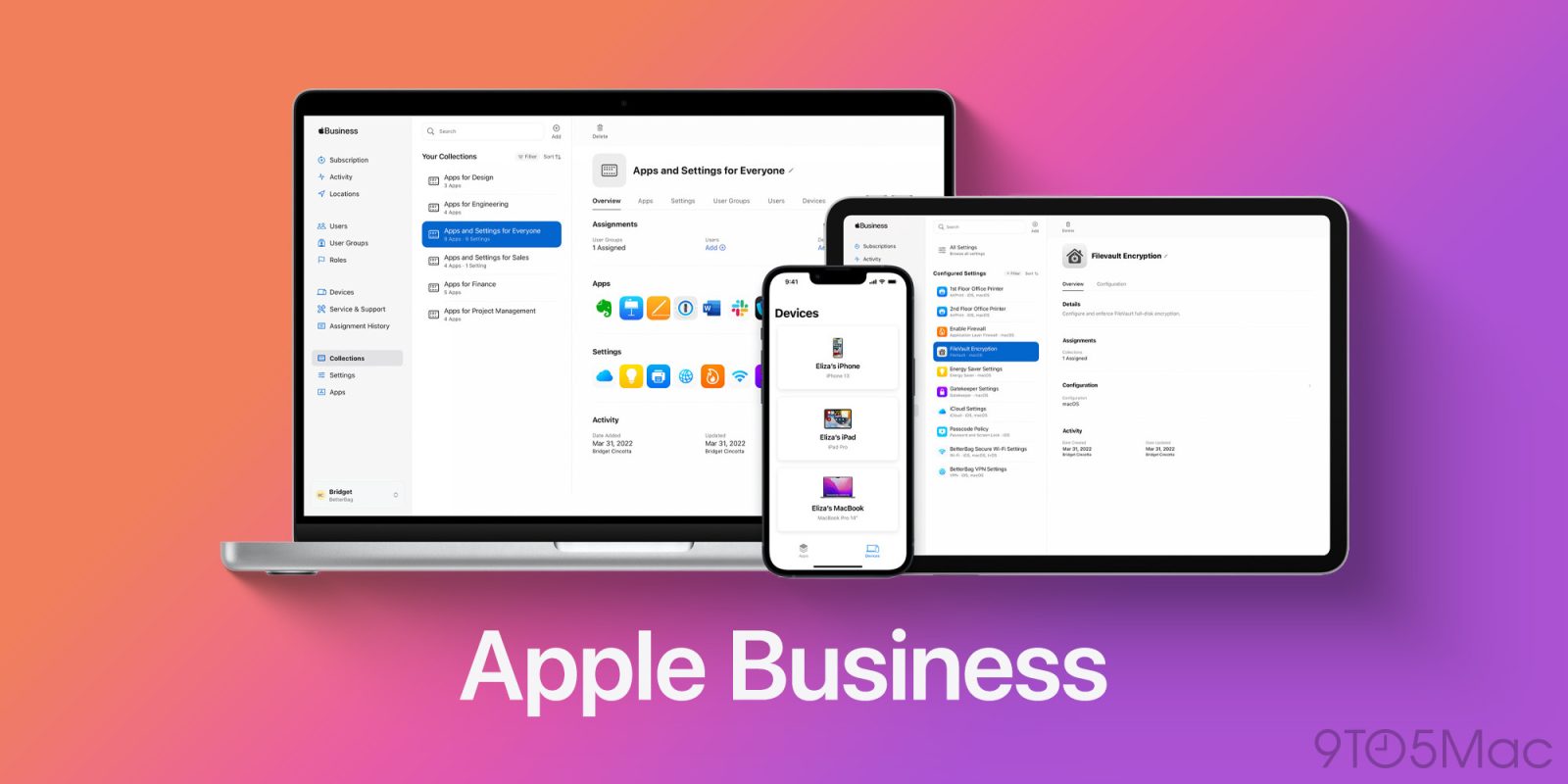
On April 14, Apple will reveal a major change in its strategy towards the enterprise sector with the introduction of a comprehensive platform called Apple Business. This endeavor consolidates existing business tools into a singular, user-friendly interface, optimizing operations for businesses globally. Significantly, Apple will provide integrated mobile device management (MDM) capabilities at no charge to companies in more than 200 countries, signaling a crucial transition in the way Apple assists enterprise customers.
Traditionally, Apple’s business tools were scattered across several services, such as Apple Business Manager for application deployments, Apple Business Essentials for managing devices, and Apple Business Connect for brand recognition on Apple Maps. The new Apple Business platform will combine these features, enabling administrators to oversee device and personnel management, brand governance, and support from a unified dashboard.
### Device and Personnel Management
The incorporation of device management within the Apple Business platform highlights Apple’s dedication to ensuring effective management of business devices. The platform introduces “Blueprints,” which simplify the configuration of devices with pre-established settings right from the start.
IT teams will gain advantages from improved directory management capabilities, including a new array of custom roles that grant detailed control over device allocation and app oversight without the need for complete administrator privileges. Moreover, the Admin API will be enhanced to allow better custom reporting.
For end-users, Apple Business will streamline the creation of Managed Apple Accounts via identity providers such as Google Workspace and Microsoft Entra ID. A new accompanying application, expected to debut later this year, will allow employees to install workplace applications, access a corporate directory, and seek assistance, boosting mobility and productivity.
While the primary features of the platform are offered for free, Apple will present paid iCloud storage upgrades, beginning at $0.99 per user per month for extra storage beyond the initial 5GB. AppleCare+ for Business will also be available, offering device protection at competitive rates.
### Brand Governance
Apple Business aims to enable organizations to uphold a uniform brand presence throughout the Apple ecosystem. This encompasses personalized branding for Tap to Pay on iPhone and managed Maps place cards, ensuring that customer interactions reflect the company’s brand.
Collaboration between IT and marketing teams will be enhanced through the unified portal, fostering a seamless customer experience during purchases and searches. Additionally, Apple will offer location insights to assist businesses in understanding customer interaction with their brand.
### Conclusion
The launch of Apple Business signifies a major leap forward in Apple’s enterprise approach, making the management of business tools easier and removing the financial hurdle for essential device management. Although it may not substitute extensive device management systems for larger firms, it provides a straightforward, zero-touch option for smaller IT departments.
Beyond the core features, Apple has alluded to forthcoming functionalities, including fully hosted email services for corporate domains and a new advertising platform within Apple Maps, further increasing the value for enterprises.
As Apple continues to innovate and respond to the demands of businesses, the cohesive Apple Business platform is set to become a vital resource for organizations eager to streamline their operations and elevate their brand visibility in the digital realm.