
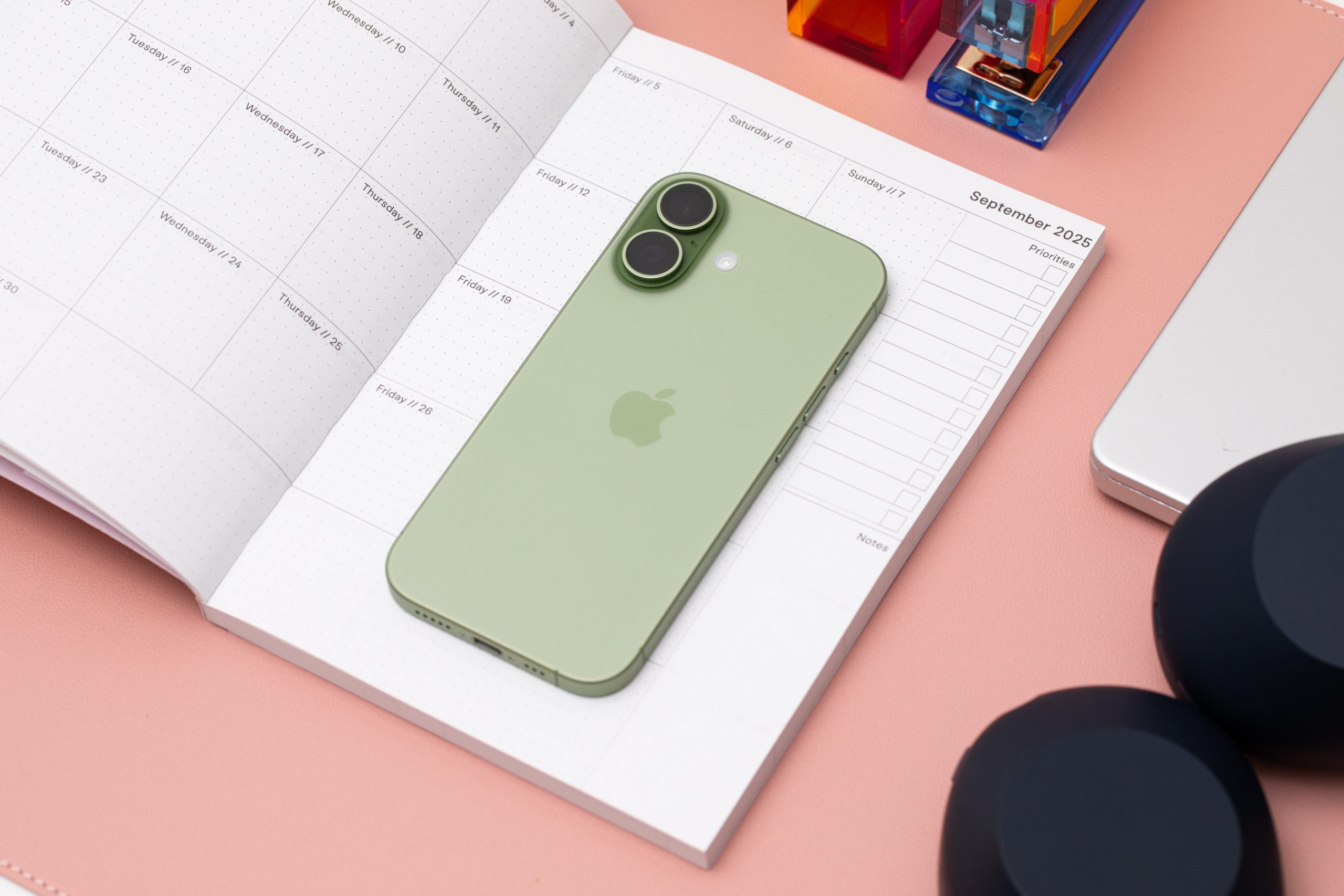

Being bored with my phone led me to explore other options, discovering many appealing devices but one significant drawback. Switching phones takes about a week—first, the technical hassle of transferring eSIMs, which varies in difficulty depending on your switch. Setting up apps and personalizing settings further adds to the time.
In my quest, I tried different phones almost every week, growing tired of my iPhone 16 purchased for its color. Previously a phone reviewer, now an ordinary user, I leveraged my ability to request devices for testing. My journey across Android began, seeking a phone or innovative concept that truly captivated me.
Ultimately, I went back to the Apple Store and purchased an iPhone 17, despite hesitations. Let me explain. My initial test was the Motorola Razr Ultra, hoping flip phones would be a good idea. While its hardware had potential, software issues proved frustrating. The organization and functionality of apps on its outer screen were less than optimal. Despite attempts to resolve these, integration remained clunky, leading me to switch again.
A different experience arose with the Google Pixel 9 Pro Fold, though hardware challenges like bulkiness persisted. While its larger screen was enjoyable, compromises in durability, battery, and camera, along with the high cost, led me to abandon this device.
Next, the Unihertz Titan 2 felt like a BlackBerry revival. Nonetheless, despite appreciating the keyboard, it didn’t compare to the efficiency of onscreen typing. Its substantial size also proved inconvenient.
Surprisingly, the Fairphone Gen 6 introduced an intriguing feature: a slider switch for a minimalistic phone experience. This “Moments” feature allowed apps to disappear, creating a fulfilling experience; however, the device wasn’t optimized for US use on Verizon.
Finally, the Google Pixel 10 Pro emerged as a standout, despite initial concerns. With excellent build quality, impressive camera functionality, and a user-friendly operating system, it solidified the superiority of Android for me. Android’s versatility and features were unmatched, offering far better notifications management and voice assistant compared to iOS.
Yet, the Play Store falls short in the app realm. Essential apps I rely on—Puzzmo, NotePlan, Mimestream, Unread, and more—either don’t exist or perform better on iOS, making the iPhone an app powerhouse. Although Android allows more flexibility in some areas, iOS dominates the app scene, with the App Store offering a broader array of quality options.
After much consideration, the best apps for my needs dictated my choice. Despite Android’s impressive features, my iPhone 17, with its superior app offerings, remains essential. While I am not entirely satisfied with its downsides—like unwanted notifications and Siri’s limitations—the quality of apps available makes it my continued choice.