
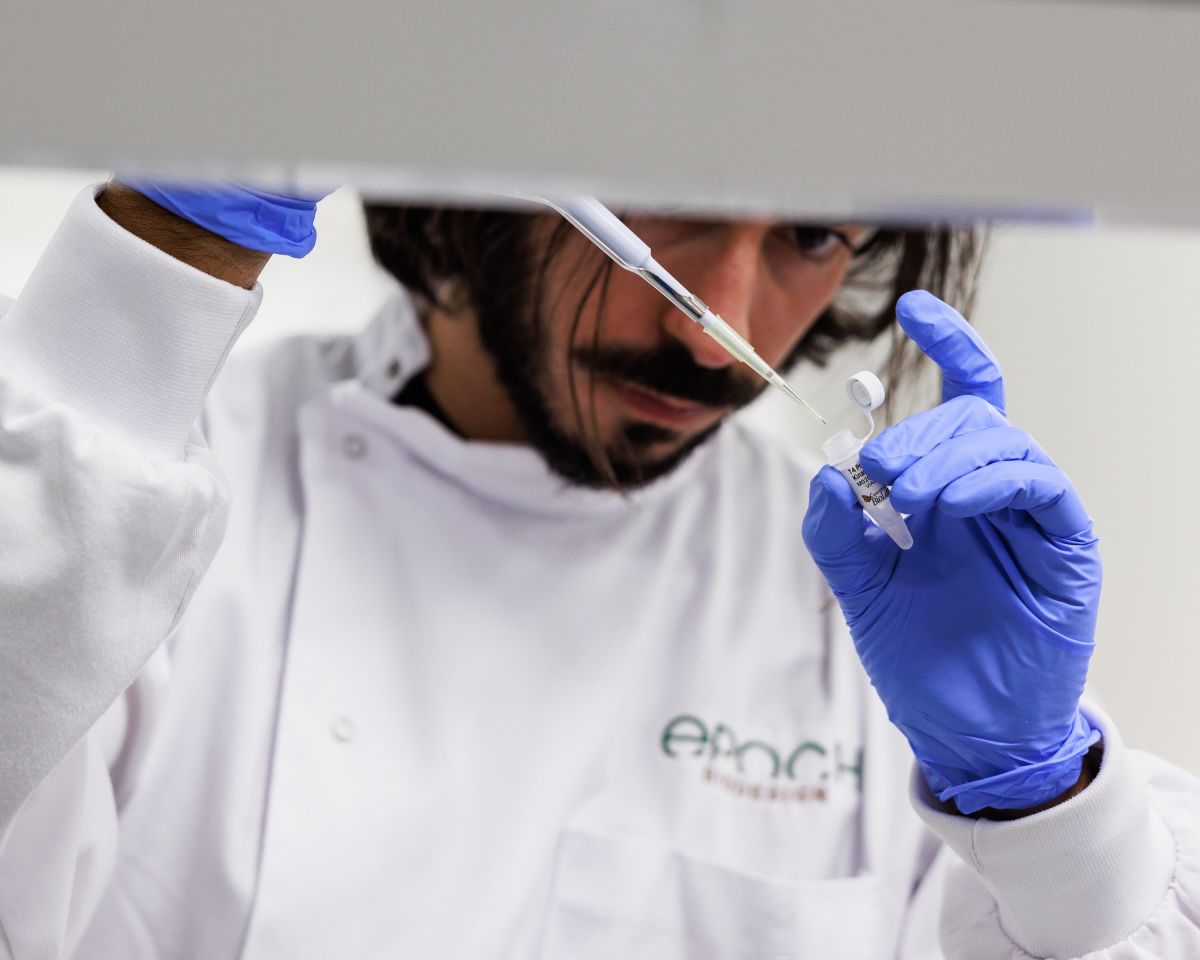

As global electrification increases, the oil and gas sector hopes plastics will sustain future profits. Jacob Nathan, however, aims to change this narrative. Nathan began researching plastic decomposition during high school. Now, as the founder and CEO of Epoch Biodesign, he found a method using enzymes to convert plastic waste into reusable materials for new plastics.
At Epoch, a bale of textiles equates to a barrel of oil—yet unlike oil, textile costs are unaffected by geopolitical fluctuations. Epoch’s technology breaks down plastic waste into monomers using enzymes instead of microbes, partnering with suppliers to obtain these compounds.
Epoch’s enzyme treatments efficiently recover over 90% of target monomers, leaving only dyes, which are separately managed. Initially focusing on nylon 6,6, used in numerous products like clothing and airbags, Nathan highlights its irreplaceable efficacy.
The initiative’s timing is opportune. Recent spikes have seen the spot price of nylon 6,6 and similar precursors rise by up to 150%. Using waste textiles instead of petroleum, Epoch avoids such price volatility, achieving consistency by uncoupling material production from fossil carbon.
This proposition appeals to investors like Lululemon, a major producer of plastic-based clothing, which recently joined a $12 million funding round with Exantia, Happiness Capital, Kompas VC, and Leitmotif. The funds will support establishing a demonstration facility near Imperial College London with plans for a commercial facility by 2028, capable of producing 20,000 metric tons of monomer annually.
Subsequently, Epoch may explore recycling other plastics as their technology adapts to diverse materials. While nylon 6,6 is prioritized, further developments are anticipated.