
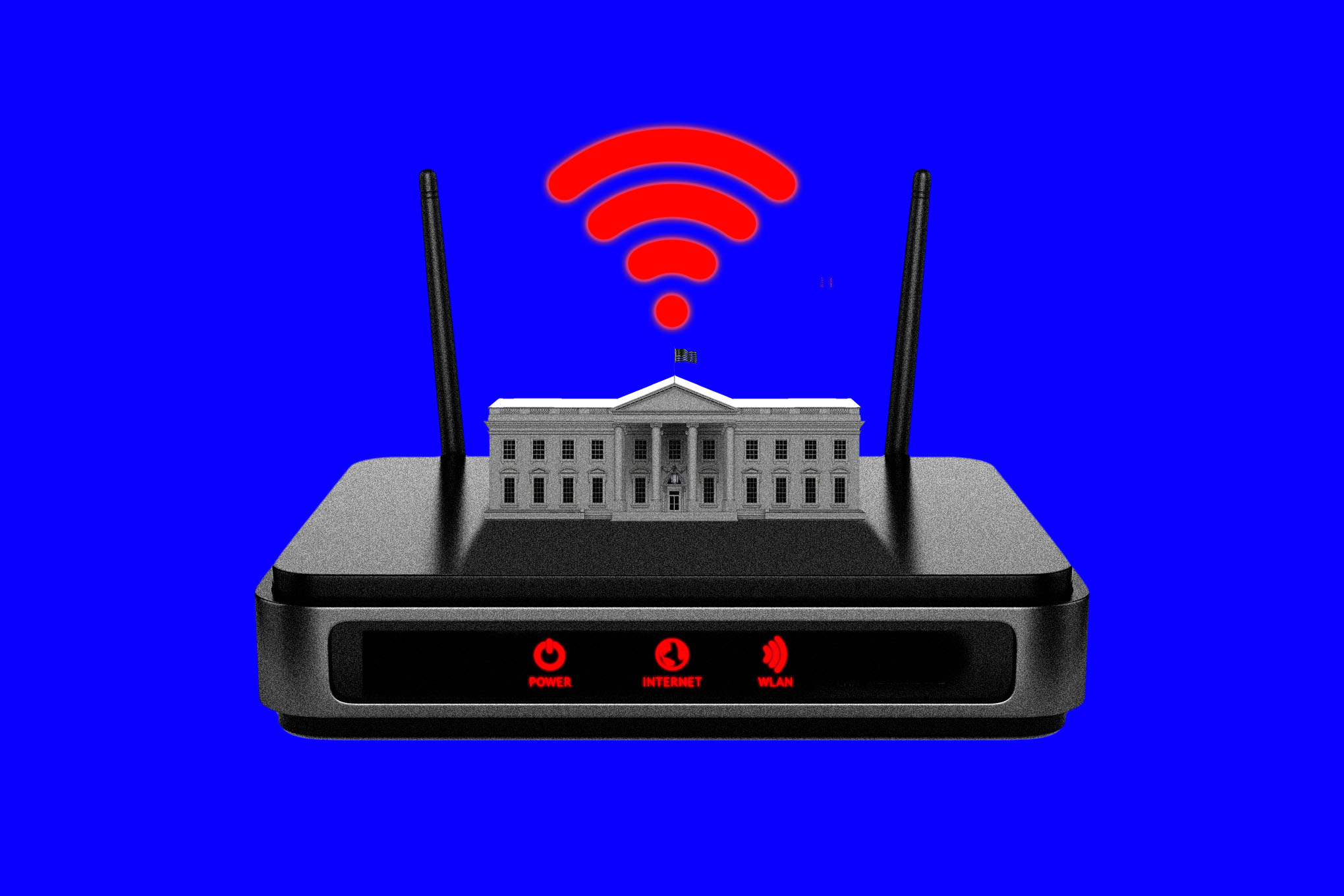

Understanding the latest move by Trump and Carr against foreign-made gadgets:
You’ve likely heard about the US government’s ban on foreign-made consumer Wi-Fi routers due to national security concerns. Confused about what’s happening? In the current American scenario under Donald Trump and FCC Chairman Brendan Carr, things can be chaotic. Here’s an explanation.
Your current foreign-made router is safe to use in the US. The FCC clearly stated consumers can continue using and buying previously approved routers.
You don’t need to worry about a recall or patching your routers. Despite security concerns, the FCC requires no immediate action from current users.
Government agencies can also continue using these routers, even buying them from companies under investigation for security issues.
The FCC document claims hackers have used foreign routers for direct attacks, stealing IP, and disrupting communications, among others.
Despite these claims, the FCC’s current action is focused on future routers rather than existing ones.
The ban affects new, unannounced, foreign-made routers unless exemptions are granted.
The justification for banning newer routers remains ambiguous, given current consumer routers are largely foreign-made.
The FCC doesn’t present evidence showing foreign routers are more vulnerable compared to hypothetical US-made routers since such domestic products don’t exist.
Rather than addressing actual security concerns, this appears to be a strategic push for more US manufacturing.
Existing foreign routers aren’t proven more vulnerable. Reported cyberattacks, like Salt Typhoon, implicate routers from both foreign and US companies.
Much blame for security issues falls on lax practices by telecom companies rather than the routers’ origin.
The FCC waiver allows approved routers to receive updates until March 1st, 2027. It’s uncertain how updates would be blocked since companies aren’t required to file documentation.
FCC bans any radio-equipped device unless authorized. Consumer routers, as defined by NIST, capable of forwarding data packets, might see varying impacts.
Router makers choose between halting new shipments to the US or applying for conditional approvals for future products.
If you try bringing a newer router from abroad, it’s technically against regulations.
No improved security requirements exist in the FCC’s conditional approval process. The focus is on manufacturing locations and US production plans.
This aligns with Trump’s policies aimed at boosting US manufacturing in response to geopolitical concerns.
Statements from companies like Netgear and TP-Link suggest compliance, though lacking details on investing in US manufacturing.
Amazon, Google, Asus, and Ubiquiti haven’t responded to inquiries.
Overall, the current situation reflects the broader goals of enforcing nationalist policies and leveraging security concerns to stimulate domestic manufacturing.