
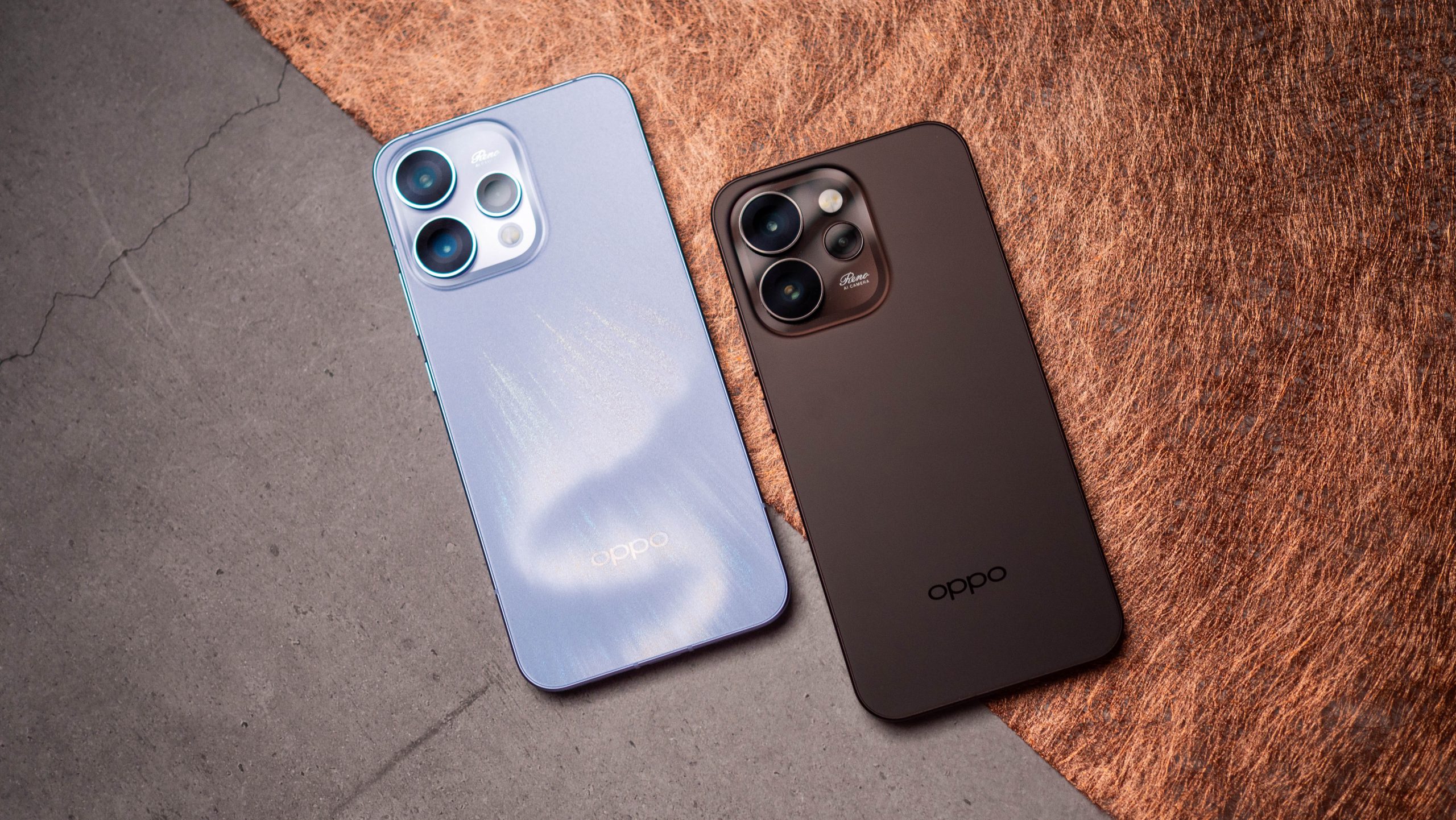

With stunning designs and top-tier cameras, OPPO surpassed expectations this year.
OPPO isn’t just excelling with its flagship models; the brand’s mid-range smartphones make a significant contribution to its revenue, offering a wide array of options. The Reno 15 Pro and Reno 15 were launched at the beginning of 2026, and they rank among the finest mid-range devices available today — if nothing else, the cameras on the Pro model establish it as a formidable flagship alternative.
I didn’t test the phones right at launch, but I’ve used both the Reno 15 Pro and the standard Reno 15 throughout the past month, and it’s clear that these devices have a lot to offer. My preference leans towards the Pro model, so I’ll begin there. OPPO revamped the design this year, and the Reno 15 Pro is more compact with its 6.32-inch display — it’s marketed as the Reno 15 Pro mini in India.
This size makes the device enjoyable to hold and operate, and the design is just as luxurious as the Find X9 Pro. The brown color isn’t particularly eye-catching, but there’s an Aurora Blue option that looks stunning, and that’s the one I suggest if you’re interested in this phone.
It covers all the essentials; you get a sturdy aluminum frame with good weight distribution, and the phone boasts IP68 and IP69 ratings for dust and water resistance. The 6.32-inch OLED display remains bright even in direct sunlight, with excellent color reproduction — I encountered no issues while gaming or watching movies on the device.
The camera system is impressive as well, featuring a 200MP Samsung HP5 main sensor, a 50MP telephoto lens with 3.5x optical zoom, and a 50MP wide-angle lens. OPPO’s mid-range offerings have performed well for some time, but with the Reno 15 Pro, you’re getting flagship-level photography, which enhances the phone’s appeal. Sure, the Find X9 Pro includes several exclusive features, but if you need a device that captures great images in difficult conditions, the Reno 15 Pro excels at a significantly lower price, which is quite an achievement.
What I appreciate most about the phone is its substantial 6,200mAh battery despite the smaller size. Transitioning to the Galaxy S26 Ultra from the Reno 15 Pro feels like a downgrade in terms of battery life, and I easily managed a full day even with intensive use. It also features the same 80W charging technology as other OPPO devices, and it supports up to 50W through the USB PD protocol.
As for the software, the Reno 15 Pro operates on ColorOS 16 with Android 16 as its core, and it’s on par with the Find X9 Pro. The user interface is smooth, offering extensive customization options, and the modern aesthetics and fluidity make it my top choice for an Android interface.
The phone doesn’t feature the latest internals, running on MediaTek’s Dimensity 8450. Nonetheless, I didn’t encounter any problems during regular use, and it managed demanding tasks well. There is some throttling with graphically intensive games, but that’s typical for devices in this category, so it’s not unique to this model. If there’s a minor complaint I have regarding the internals, it’s that OPPO is still utilizing UFS 3.1 storage technology — we need UFS 4.0 in these devices.
Then we have the Reno 15; it shares many features but is somewhat slower and yields slightly inferior photo quality. The 6,500mAh battery lasts even longer, and I got the Aurora color variant, which could be the best-looking mid-range device I’ve utilized in the past year. The unique etched design creates an alluring effect, instantly grabbing attention when used outdoors.
The Reno 15 features a larger 6.59-inch OLED display, and while it’s still pleasant to use, it doesn’t offer the same in-hand comfort as the Pro model, which is one reason I predominantly favored the 15 Pro. Honestly, aside from a few hardware limitations, that’s about the only drawback I can identify, and the Reno