

“Perhaps we will, perhaps we won’t, as the big guy would say.”
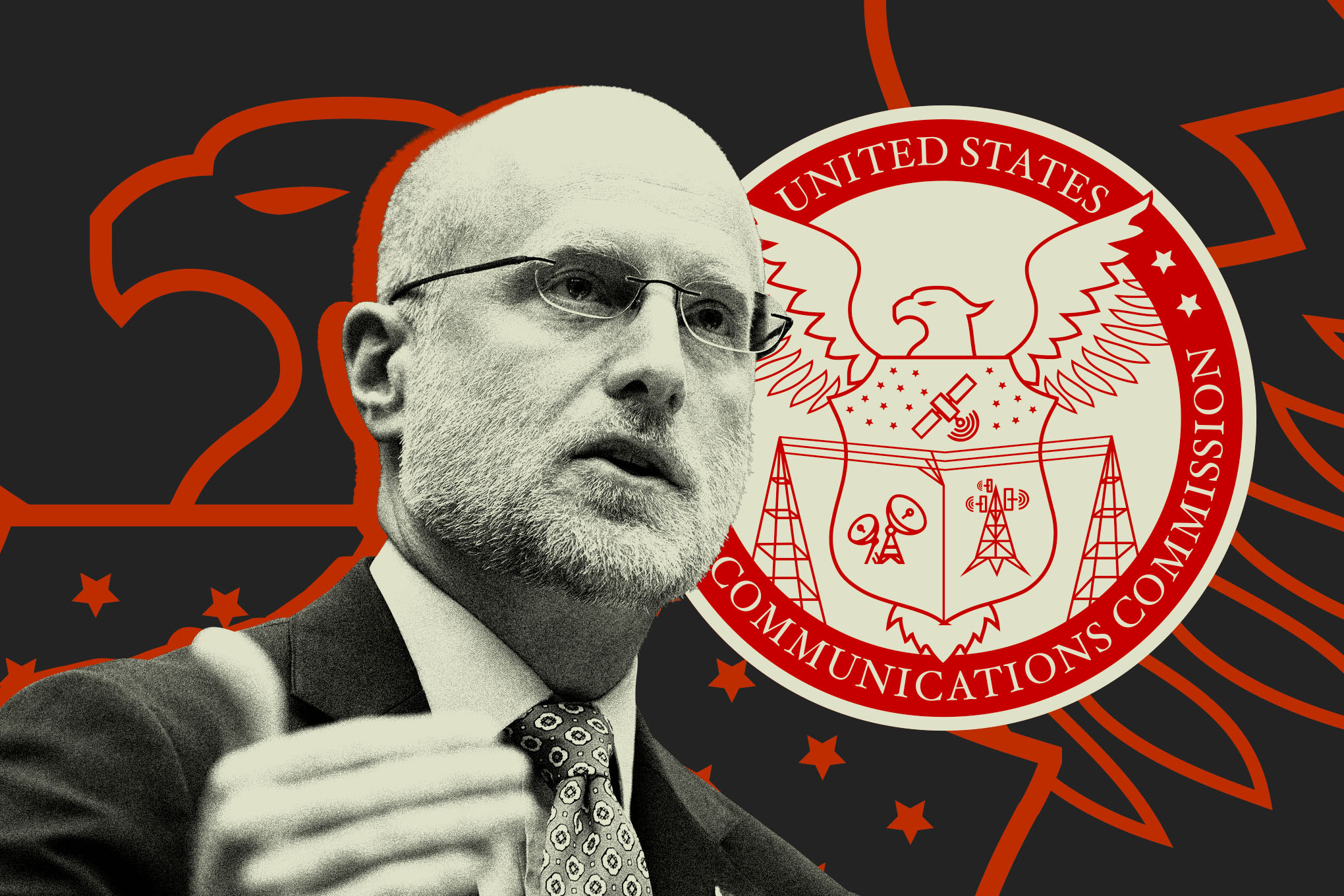
Federal Communications Commission Chair Brendan Carr clarified he had no intention of threatening broadcast licenses over coverage of the war in Iran, as he informed reporters during an FGS and Semafor event.
“My comments weren’t actually on the Iran war,” Carr responded to a question from The Verge regarding his statement about the war coverage. “I understand why people say that. I made a statement quoting a tweet.”
On March 14th, Carr quote-tweeted a screenshot of a Truth Social post from President Donald Trump, who complained about an “intentionally misleading headline” related to US military action in the Middle East. Carr tweeted in response, “Broadcasters that are running hoaxes and news distortions – also known as the fake news – have a chance now to correct course before their license renewals come up. The law is clear. Broadcasters must operate in the public interest, and they will lose their licenses if they do not.” His comments were widely reported as a threat over negative war news coverage.
Carr had previously warned broadcasters they could lose station licenses over airing late-night comedian Jimmy Kimmel, and Disney briefly pulled Kimmel from the air after Carr’s comments, which he has defended and denied were a threat. During the event, Carr stated he had no plans to revoke broadcast licenses. “You never know, but I don’t have plans,” he said. “Maybe we will, maybe we won’t, as the big guy would say.”
“We’ve only ever talked about pulling broadcast licenses for operators not working in the public interest, those doing broadcast hoax, news distortion,” he said. “As long as you’re not doing that, you can cover anything any way you want.”
Carr also voiced confidence in the FCC’s recent ban on routers made outside the US, even after the Supreme Court stripped the need for judges to defer to agency expertise. “I don’t think there’s really significant litigation risk from that FCC decision,” he explained.
Carr noted his satisfaction with platforms like X and Meta altering their policies more equitably. “That sort of course correction in the market has resulted in a decrease in a lot of the sort of calls for regulatory intervention,” he said during an interview with Semafor’s Rohan Goswami. Speaking with reporters after, Carr mentioned he’s “sort of stopped talking about free speech” on tech platforms while chair of the agency, as people often confuse different issues of internet platforms’ policies compared to broadcasters’ regulated by the FCC. The agency recently approved a merger of NextStar and Tegna, potentially extending the company’s reach to 80 percent of US TV households, beyond the 39 percent ownership limit.
The need for tech platform regulation has diminished as “bad conduct” has decreased, according to Carr. When questioned whether content-based regulation relies on platforms’ moderation decisions, Carr emphasized conduct: “It’s when you have market power, or when you abuse that market power in ways that stifle individual liberty, I think that potentially creates the basis for regulation.”
When asked if he’s misused available tools as he accused Democrats of doing, Carr suggested a straightforward approach: “Why don’t we just apply the law in a neutral, even handed way? Which is what I think that we’re doing here.”