
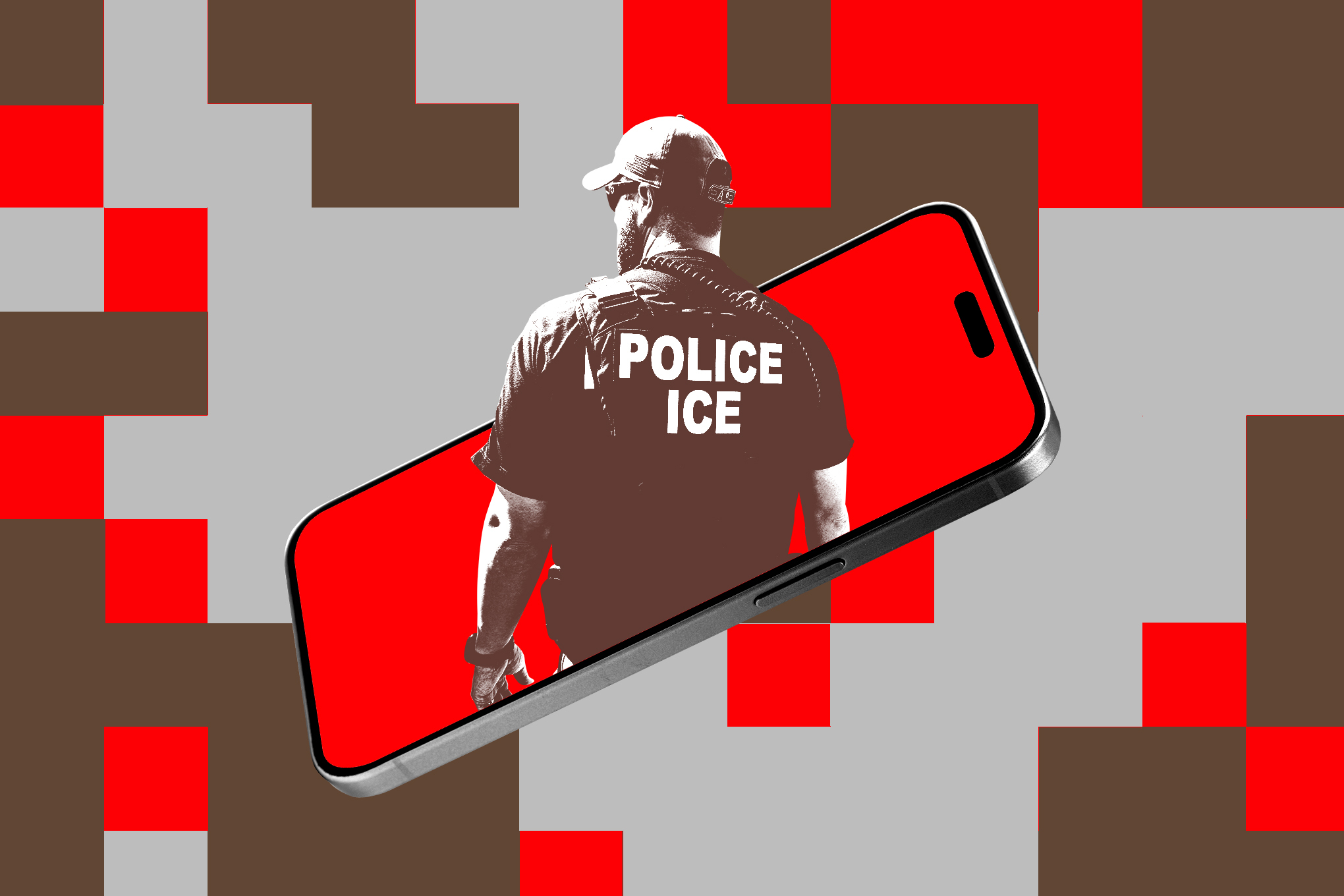

CBP agents at Miami International Airport briefly detained 20 activists, 18 of whom had their phones taken.
On Wednesday morning, members of a convoy delivering humanitarian aid to Cuba were detained and interrogated by Customs and Border Protection (CBP) upon returning to the United States on a charter flight from Havana. Out of the 20 US citizens summoned for secondary inspection at Miami International Airport, 18 had their phones and other devices seized by CBP, with little information provided on whether and when they’ll be returned.
The group was part of a larger coalition of activists in the Nuestra América Convoy, named after an essay by nineteenth-century Cuban intellectual José Martí criticizing US dominance of the Americas. The convoy included 650 delegates from 33 countries and delivered an estimated 20 tons of aid to the island. Some traveled by sea on a fishing boat from Mexico loaded with supplies, while others chartered flights from Miami. CODEPINK, a delegation part of this coalition, carried 6,300 pounds of medical supplies valued at $433,000. All 20 detainees were part of the CODEPINK group.
These supplies aimed to ease the effects of the US blockade on oil exports to Cuba. The shortage has plunged Cuba into crisis, causing power outages. Food is rotting, trash piles up, and few businesses run on US-provided oil. Cuba’s healthcare system is heavily affected; hospital patients are dying due to resource shortages.
The convoy included prominent activists like leftist streamer Hasan Piker and Chris Smalls, an Amazon worker who led a strike in New York. Both had their devices seized.
CODEPINK organizer Olivia DiNucci, one of the detained, described being called up and questioned extensively. They faced two options: unlock their phones voluntarily or have the devices seized. DiNucci said some members with relations in Venezuela, Mexico, and Cuba faced questions about their families. Agents also rummaged through notebooks and journals. CBP did not respond for comments.
DiNucci’s phone was in airplane mode; agents may have looked through her photos. Suzanne Adely from the National Lawyers Guild is assisting with members’ rights and phone retrieval.
A Cuban-American convoy member traveled with a burner phone, concerned about searches. She returned without incident, possibly due to Global Entry status. She questioned the US’s surveillance state.
Trump’s administration threatened countries sending fuel to Cuba with tariffs. A Russian tanker reportedly traveled through the English Channel escorted by a Russian warship. Caribbean countries have pledged aid to Cuba.
The convoy’s purpose was humanitarian, emphasized by a Cuban-American participant. Warrantless phone searches typically breach the Fourth Amendment, except at ports of entry. CBP performs “basic” and forensic searches at some entry ports.
Travelers refusing device searches risk having them seized. CODEPINK co-founder Medea Benjamin returned earlier without major issues. Benjamin reported difficulty raising awareness of Cuba’s crisis due to authorities hampering press conferences. She denounced US policy as inflicting pain, neglecting people’s real needs.