

Companies that claim to prioritize transparency often fail to be truthful with each other and the public.
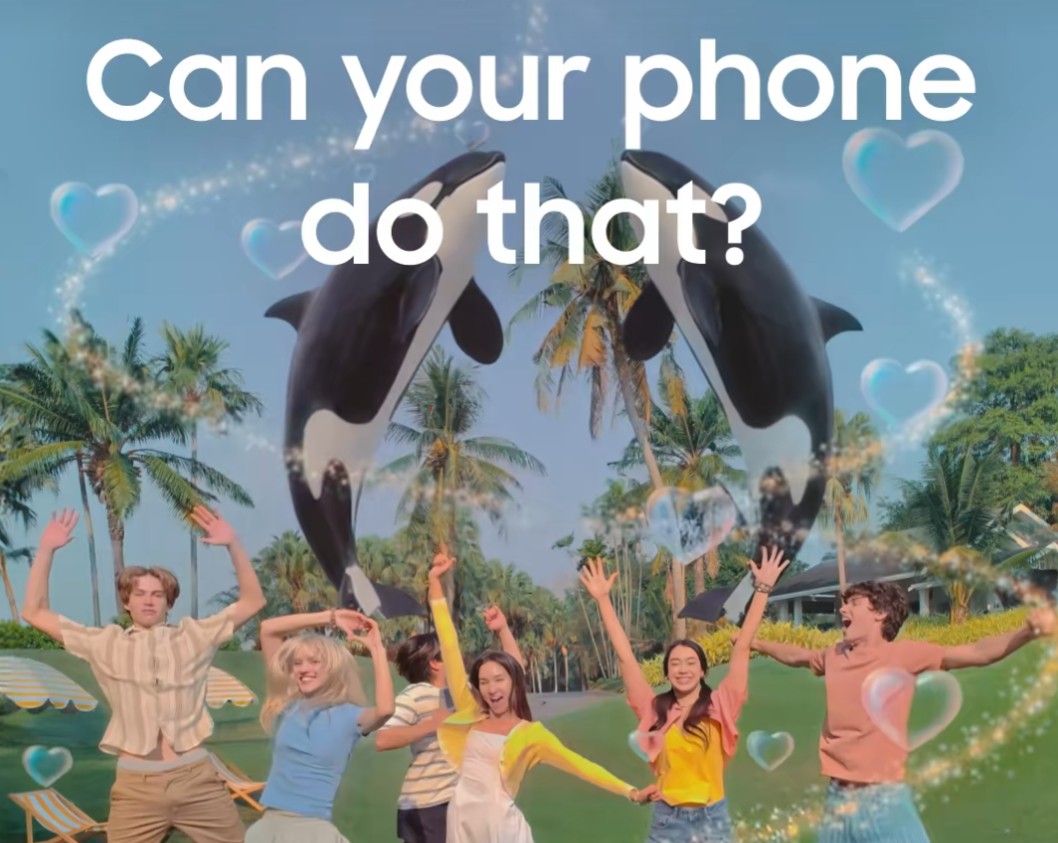
As someone who examines images and videos for AI-generation cues, I’ve struggled to determine if ads on TikTok were produced with generative AI tools. Many lacked the AI disclosure required by TikTok, leading to uncertainty.
It’s irritating that someone knows if the content is AI-generated but won’t disclose it. If companies supporting AI-labelling want success, they must act.
For instance, after Samsung disseminated AI-generated videos on social platforms, I saw TikTok ads promoting the Galaxy S26 Ultra without AI usage acknowledgment. Yet, similar campaigns on YouTube disclosed AI tools. Regular videos on Samsung’s TikTok lacked AI disclosures but had them on YouTube.
Samsung and TikTok are part of the Content Authenticity Initiative, promoting industry adoption of C2PA for content transparency. Samsung should have informed TikTok if AI was used, and TikTok should adhere to its advertising policies by ensuring user awareness.
TikTok requires advertisers to disclose significantly AI-edited content with labels or disclaimers per its policies:
“When we say ‘significantly modified by AI,’ we mean content altered beyond minor tweaks, like AI-generated images or videos and AI voice-cloning.”
What went wrong?
Samsung didn’t comment. TikTok referred to its AI labeling requirements and C2PA partnership but didn’t explain why Samsung’s ads lacked disclosure.
Recently, TikTok ads from UK-based Cazoo gained an “advertiser labeled as AI-generated” note. Previously flagged as AI-based due to odd distortions, the ads now have disclosure.
It’s unclear if Samsung’s ads received updates since their absence in my feed. Samsung’s TikTok AI transparency is inconsistent—some ads have TikTok AI labels, others include manual disclosures, and many lack any indication.
There’s no reliable tech solution to identify AI-generated content. Verification systems like C2PA, SynthID, and others are ineffective without universal adoption—problematic in today’s truth-challenged socio-political context.
However, advertising is subject to rules protecting against misleading scenarios. Some rules prevent false representations, as TikTok influencers have learned amid backlash for deception.
Generated videos aren’t always misleading, but transparency issues have led the EU, China, and South Korea to demand AI-labeling in promotions. Companies may face penalties for transparency failures.
If platforms like TikTok and advertisers like Samsung can’t candidly share AI usage in regulated settings, it invites deceptive advertising. While some AI labels appear following direct intervention, a robust system must exist without third-party scrutiny.