
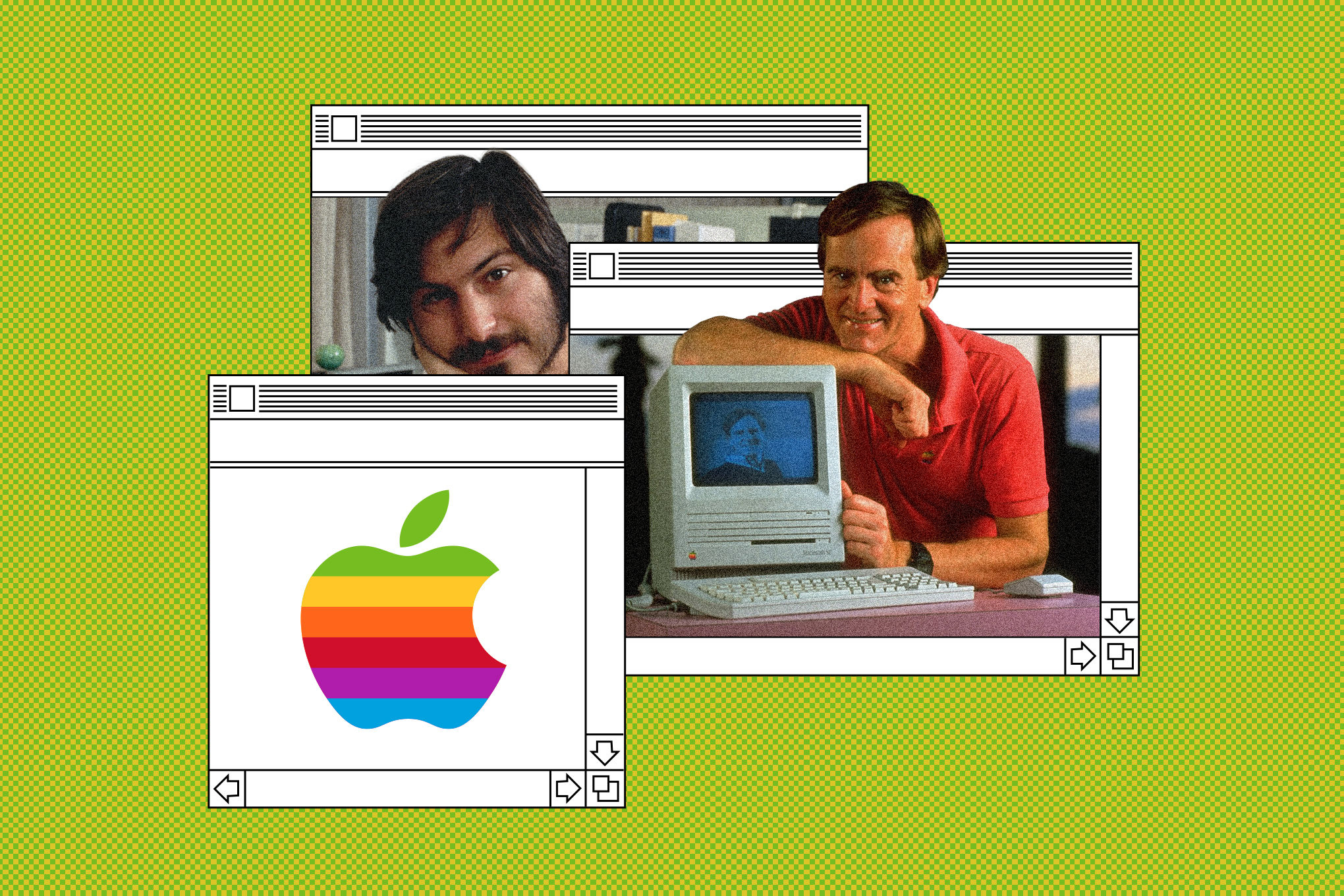

With Steve Jobs in exile, Apple’s ’90s era saw enduring triumphs and bizarre failures. Jobs’ 1985 departure and 1997 return, which saved Apple from bankruptcy, are legendary parts of its story. However, during his absence, Apple achieved significant successes alongside its struggles. Despite John Sculley’s alleged role in pushing Jobs out, the Apple without Jobs made foundational changes. Innovations like the PowerBook and the transition to PowerPC processors exhibited the company’s resilience and potential.
Among Apple’s standout achievements was enhancing the Mac. After Jobs resisted adding Apple II-like slots, his successor Jean-Louis Gassée introduced the Mac II series, boosting business sales and aligning Apple with design and publishing sectors. Similarly, the Mac SE with an optional internal hard drive improved user experience. The introduction of the PowerBooks in 1991 was a hallmark moment, altering laptop designs with user-friendly features that persist today.
Yet, by the mid-’90s, Apple faced chaos. Microsoft’s Windows 95, closely paralleling the Mac interface, dealt a significant blow. Apple’s original Mac operating system, plagued with technical issues, struggled against modern standards. Efforts to revamp the OS, such as Copland, failed, leaving Apple in a precarious state. The decision to license Mac OS to clone-makers backfired, undermining Apple’s integrated product philosophy and eroding its market share.
Despite missteps, acquiring NeXT and its NeXTSTEP OS was pivotal, fixing crucial Mac OS problems and enabling future innovations like Mac OS X. It brought back Steve Jobs, alongside talents like Jon Rubinstein, sparking Apple’s revitalization. Returning, Jobs focused on streamlined innovation, tapping into the existing but underutilized talent like Jonathan Ive, who would go on to design iconic Apple products.
As Apple marks 50 years, it’s crucial to remember the turbulent period without Jobs, filled with key advancements that ensured the company’s survival and eventual resurgence. Even its failures serendipitously led to monumental success, such as the acquisition of NeXT that brought Jobs back. Charlie Kline was one to remark that Apple’s history, marked by both charm and fortune, turned its missteps into catalysts for growth.